Transforming discarded PVC pipes into a vibrant strawberry tower is a fantastic way to combine creativity with environmental responsibility. This guide walks you through every step, from sourcing materials to maintaining your thriving vertical garden. Learn how to build a sustainable and visually appealing structure to nurture your strawberry plants, maximizing space and minimizing waste.
This comprehensive guide provides detailed instructions on all aspects of the project, from gathering materials to planting and maintaining your strawberry tower. Discover the surprising versatility of PVC pipes as a sustainable and aesthetically pleasing building material.
Introduction to Upcycling PVC Pipes
Upcycling, the art of transforming discarded materials into new, valuable items, is gaining momentum as a sustainable practice. This approach not only reduces waste but also fosters creativity and resourcefulness. By repurposing materials, we lessen our environmental footprint and contribute to a circular economy. PVC pipes, commonly found in construction and plumbing, offer excellent potential for upcycling due to their durability, versatility, and readily available nature.The advantages of using PVC pipes in crafting projects are numerous.
Their rigidity and straightness make them ideal for creating structured forms, such as planters, shelving units, and decorative displays. Moreover, PVC pipes are relatively lightweight, allowing for easy manipulation and transport during the creation process. They are also resistant to moisture and decay, which translates to long-lasting crafted items.Responsible waste management and recycling are crucial components of environmental sustainability.
Upcycling is a powerful tool for diverting materials from landfills and reducing the demand for virgin resources. By upcycling PVC pipes, we contribute to the overall goal of responsible resource management. This practice promotes a shift towards a more sustainable approach to consumption and waste.Several creative projects can be crafted using PVC pipes. The possibilities are extensive, ranging from simple decorative pieces to complex functional structures.
The examples below demonstrate the diverse applications of upcycling PVC pipes.
Examples of PVC Pipe Upcycling Projects
This table provides a glimpse into the variety of upcycling projects possible using PVC pipes. The inclusion of estimated time and environmental impact highlights the practicality and sustainability of such endeavors.
| Project Type | Materials Used | Environmental Impact | Estimated Time |
|---|---|---|---|
| Planter | PVC pipes, soil, plants, pot liner | Reduced landfill waste, reduced need for new plastic | 2-4 hours |
| Shelving Unit | PVC pipes, connectors, brackets, wood | Reduced reliance on raw materials, reduced waste | 4-8 hours |
| Decorative Sculpture | PVC pipes, paint, decorative elements | Reduced plastic waste, creative reuse | 2-6 hours (depending on complexity) |
| Garden Trellis | PVC pipes, wire, supports | Reduced wood consumption, reduced plastic waste | 3-5 hours |
Gathering Materials and Tools
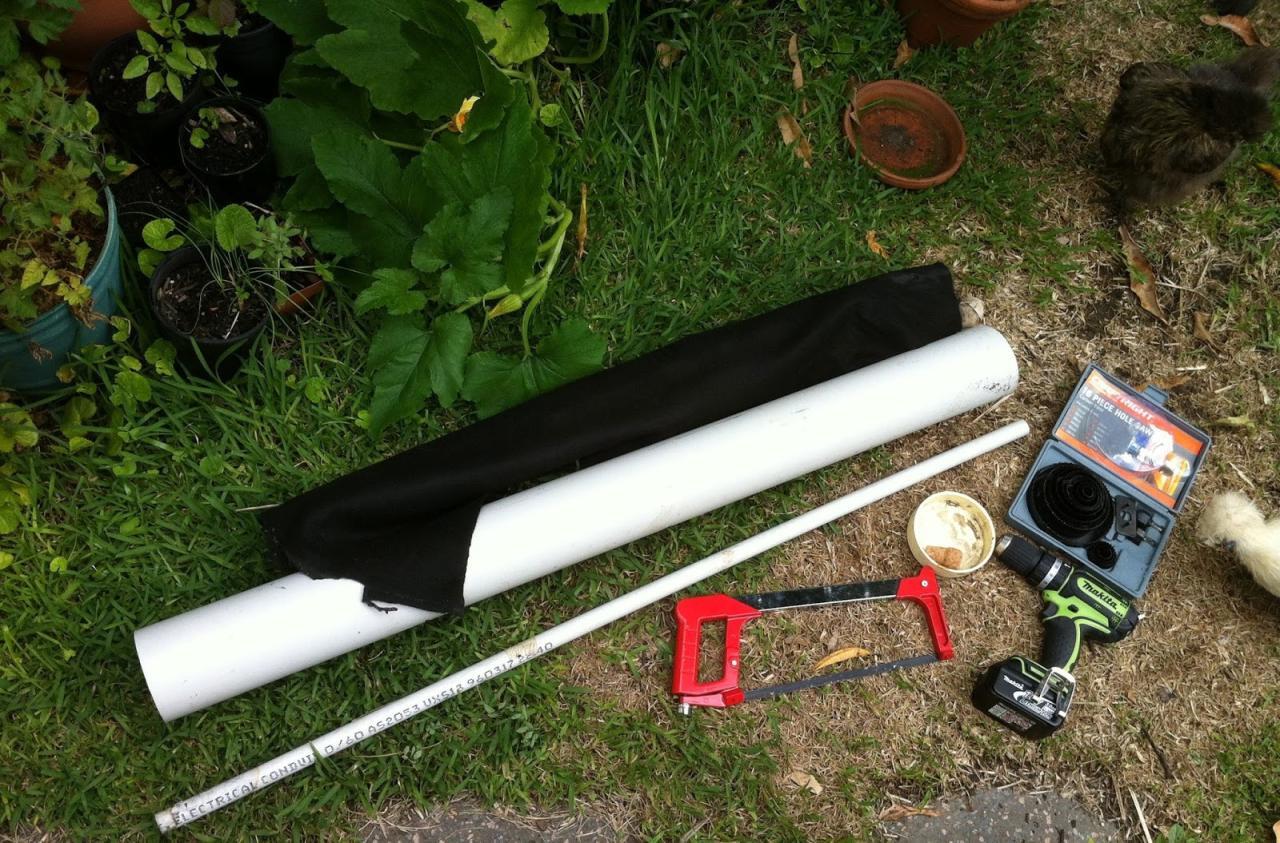
Crafting a captivating strawberry tower from PVC pipes necessitates careful selection of materials and tools. Proper planning ensures a structurally sound and aesthetically pleasing final product. A well-considered approach will translate to a rewarding upcycling experience.Careful consideration of pipe dimensions, tool selection, and supplementary materials are critical for a successful project. The variety of PVC pipe options available influences the final aesthetic and structural integrity of the tower.
Careful measurement and precise cutting are paramount for creating a harmonious design.
PVC Pipe Sizes and Quantities
To construct a sturdy and visually appealing strawberry tower, precise pipe sizing is crucial. The dimensions of the pipes directly impact the tower’s stability and overall aesthetic appeal. Different pipe sizes are required for varying sections of the structure. For example, larger diameter pipes might be used for the base to ensure stability, while smaller pipes could be used for the tiers to create a visually appealing effect.
Appropriate pipe sizes will depend on the desired height and visual complexity of the tower.
Tools for Cutting, Shaping, and Assembling
A comprehensive set of tools is essential for achieving clean cuts, precise shapes, and a secure assembly. The selection of tools should prioritize both efficiency and safety. A sharp utility knife or a reciprocating saw is essential for precise cutting. Pipe cutters, available in various sizes, are valuable for efficient cutting. Additionally, specialized tools like pipe clamps and measuring tapes are crucial for assembling the pipes securely.
Proper tool selection ensures accurate measurements and a structurally sound final product.
Types of PVC Pipes and Suitability
Various types of PVC pipes differ in their wall thickness and overall strength. Choosing the right pipe type is crucial for a structurally sound tower. Thicker-walled pipes offer greater stability and can support a larger weight, ideal for the base. Thinner-walled pipes are suitable for the upper tiers and for decorative elements. The choice of pipe material should also consider the desired aesthetic.
Additional Materials
A variety of additional materials will enhance the final product. These materials contribute to the structural integrity, aesthetic appeal, and overall functionality of the strawberry tower. For example, glue can be used to reinforce joints and create a more robust structure. Paint or other decorative finishes can further enhance the appearance of the tower. Consider the need for additional materials like fasteners or connectors, based on the design.
Material List
| Material | Quantity | Cost (Estimated) | Source |
|---|---|---|---|
| PVC Pipe (various sizes) | 10-15 | $15-25 | Local hardware store |
| Utility Knife | 1 | $10-15 | Hardware store or online retailer |
| Reciprocating Saw | 1 | $25-50 | Hardware store or online retailer |
| PVC Pipe Glue | 1 tube | $5-10 | Hardware store or online retailer |
| Paint (various colors) | As needed | $5-15 per color | Hardware store or online retailer |
Designing the Strawberry Tower Structure

Designing a sturdy and aesthetically pleasing strawberry tower requires careful consideration of the PVC pipe structure. This section will detail several possible layouts, focusing on level functionality, pipe length calculations, and the crucial element of structural integrity. Understanding these aspects ensures a successful and long-lasting vertical garden.Designing a functional and visually appealing strawberry tower involves more than just stacking pipes.
The layout must support the weight of the strawberries and the plants, while maintaining a stable structure. A well-designed tower maximizes space utilization and provides optimal growing conditions for the strawberries.
Possible Tower Layouts
Various configurations for the strawberry tower can be implemented. Consideration should be given to factors such as space constraints, desired height, and the number of plants to be accommodated. These layouts vary in complexity and support mechanisms.
- Single-Level Design: This straightforward design uses a single platform supported by a central column or multiple support beams. Suitable for smaller numbers of plants, this layout minimizes the material requirements. This design is easy to build and maintain, making it ideal for beginners. It is, however, limited in terms of accommodating a large number of plants.
- Multi-Level Design: This layout utilizes multiple levels, each with its own support structure. This is suitable for larger gardens or those aiming to maximize space utilization. Each level can be designed to accommodate a specific number of plants, optimizing space for different growing stages.
- Tiered Design: This variation on the multi-level design features tiers that are spaced apart to allow for better air circulation and light penetration. The tiers can be designed with varying widths to accommodate different plant sizes or needs. This layout is suitable for a more extensive strawberry garden, maximizing space utilization.
Level Functionalities
Each level in the tower plays a specific role in supporting the strawberry plants and promoting healthy growth.
- Bottom Level: This level forms the foundation of the tower, bearing the most weight. A robust support system is crucial for structural integrity. It’s often best to incorporate a wide base for stability. Additional bracing and reinforcement might be required depending on the overall height and plant load.
- Middle Levels: These levels support the weight of the plants above and contribute to the tower’s overall stability. Consider using a grid-like structure or a series of supports to ensure even weight distribution across the level. Ensure the structure can support the combined weight of the plants, soil, and strawberries.
- Top Level: This level supports the plants at the top of the tower. Ensure this level’s structure is as robust as the lower levels to prevent sagging or collapse under the weight of the plants and fruit. The design should allow for easy access and maintenance of the plants.
Calculating Pipe Lengths
Accurate calculations for pipe lengths are essential for the tower’s structural integrity. These calculations should consider the intended height, width, and spacing of each level.
Formula for calculating the required pipe length for a level: Length = (2
(Width of the level + the distance between supports))
Example: If the width of a level is 30 cm and the distance between supports is 20 cm, the required length of pipe for each support is 100 cm. Remember to account for cuts, joints, and any potential expansion.
Structural Integrity
The structural integrity of the PVC pipe tower is paramount. Using appropriate pipe diameters and reinforcement techniques is crucial to ensure stability and prevent collapse.
- Pipe Diameter Selection: Larger diameter pipes provide greater strength and support, particularly for higher towers or those with a heavier plant load. The choice of pipe diameter should be carefully considered based on the expected load and height of the tower. Smaller diameter pipes may be adequate for smaller, single-level structures.
- Reinforcement Techniques: Consider using additional support structures, such as cross-bracing or diagonal supports, to strengthen the tower and prevent bowing. These reinforcement techniques increase the structural integrity of the tower, particularly for multi-level designs.
Comparison of Tower Designs
| Design | Strengths | Weaknesses | Estimated Cost (USD) |
|---|---|---|---|
| Single-Level | Easy to build, low material cost | Limited space, less support for heavy plants | $20 – $50 |
| Multi-Level | Maximizes space, supports larger numbers of plants | More complex to build, higher material cost | $50 – $150 |
| Tiered | Optimal air circulation, supports a large number of plants, more efficient use of space | More complex to build, higher material cost, potential issues with drainage | $75 – $200 |
Cutting and Shaping PVC Pipes
Transforming PVC pipes into a visually appealing strawberry tower requires precise cutting and shaping techniques. Proper execution of these steps ensures a structurally sound and aesthetically pleasing final product. This section will guide you through the crucial techniques for achieving this transformation.Careful cutting and shaping are essential for a successful project. Improper techniques can lead to weakened structures and compromised aesthetics.
This section provides detailed instructions and safety measures to ensure the integrity and quality of your PVC pipe strawberry tower.
Correct Method for Cutting PVC Pipes
Accurate cutting is fundamental for a stable and attractive structure. Using a specialized pipe cutter is the recommended method. These cutters employ a sharp, rotating blade that effectively severs the PVC pipe.
- Positioning the Pipe: Place the PVC pipe firmly on a stable, level surface. Ensure the pipe is supported to prevent slippage during the cutting process.
- Applying Pressure: Firmly grip the pipe cutter handles and apply consistent pressure to the pipe. Avoid applying excessive force, as this can lead to premature wear or damage to the pipe cutter.
- Executing the Cut: Rotate the pipe cutter until a clean cut is achieved. A clean cut is crucial for a strong joint and proper structural integrity.
- Checking the Cut: Inspect the cut to ensure it is clean and straight. Any imperfections can affect the structure of the tower.
Methods for Shaping and Bending PVC Pipes
Several techniques can be employed to shape and bend PVC pipes, each suitable for different types of curves and contours.
- Heat Shaping: For larger curves or bends, heating the pipe with a heat gun or a propane torch can soften the plastic, making it more pliable. The degree of heat required depends on the thickness of the PVC pipe. Always exercise caution when using heat tools, ensuring adequate ventilation and protective gear.
- Cold Shaping: For smaller bends or curves, manipulating the pipe with your hands can achieve the desired shape. This method is suitable for intricate designs and controlled curves.
- Forming with Supports: For maintaining the desired shape, using wooden blocks, cardboard, or other supports can be used to provide temporary structural integrity to the pipe during the bending process. This method ensures a stable and consistent curve.
Measuring and Marking Pipes
Accurate measurements are crucial for precise cutting and shaping. Incorrect measurements can result in structural issues and an uneven appearance.
- Using a Measuring Tape: Measure the exact length of the PVC pipe needed for each component of the structure. Ensure precise measurements for each section.
- Marking the Cut Line: Use a marker to clearly mark the cut line on the PVC pipe. Ensure the mark is clear and distinct.
- Double-Checking Measurements: Verify the measurements to prevent errors and ensure the structural integrity of the final product.
Preventing Pipe Damage During Cutting and Shaping
Careful handling and attention to detail can prevent damage to the PVC pipes. Damage can compromise the strength and appearance of the final product.
- Using Protective Gear: Always wear safety glasses and gloves to protect your eyes and hands during the cutting and shaping process.
- Working on a Stable Surface: Ensure the pipe is firmly supported on a stable surface to prevent slippage and potential injuries.
- Avoiding Overheating: When using heat to shape PVC pipes, be cautious not to overheat the pipe, which can lead to deformation or melting.
Step-by-Step Guide with Images (Illustrative)
Imagine a PVC pipe placed horizontally on a workbench. A pipe cutter with a sharp blade is positioned precisely on the pipe. The user’s hands firmly grip the handles of the pipe cutter. Rotating the handles with steady pressure, a clean cut is executed, showcasing a precise and straight line across the pipe. Following this, imagine a bend being achieved by heating the pipe section with a heat gun, keeping a safe distance.
A support structure is used to maintain the desired curve as the pipe cools down, ensuring the integrity of the bend.
Assembling the Strawberry Tower
Constructing a stable and visually appealing strawberry tower requires meticulous attention to detail in the assembly process. Properly connecting the PVC pipe sections is crucial for a strong and lasting structure. This meticulous approach ensures the longevity and safety of the finished product.
Level-by-Level Assembly Procedure
The assembly of the strawberry tower should progress level by level, starting from the base and working upwards. Each level’s stability directly impacts the entire structure’s integrity. This methodical approach ensures a sturdy and aesthetically pleasing tower.
- Base Level: Begin by laying out the largest diameter pipes, forming the foundation. Carefully align these pipes to create a square or rectangular base. Use PVC pipe glue and connectors to join the pipes. This ensures a secure bond, resisting potential movement and providing a solid platform for the next levels.
- Intermediate Levels: Subsequent levels are built by carefully positioning the pipes. Consider using a slightly smaller diameter pipe for each upward level to create a visually appealing taper. This creates an aesthetically pleasing and balanced structure. Ensure all connections are aligned for maximum stability. The use of PVC pipe clamps or other suitable fasteners can enhance the structure’s integrity.
This creates an aesthetically pleasing and stable design.
- Top Level: The top level often involves the smallest diameter pipes, creating a finishing touch. These pipes should be meticulously aligned and securely joined to the previous level. Proper alignment and secure connections are essential to avoid any tilting or instability.
Importance of Connectors and Adhesives
Choosing the right connectors and adhesives is paramount for a successful assembly. Incorrect choices can lead to weak points in the structure, compromising the stability of the entire tower. Appropriate selection and application are vital for the integrity of the structure.
- Connector Selection: Select PVC pipe connectors that are compatible with the diameter of the pipes. Ensure the connectors are robust enough to withstand the weight of the tower and the strawberries. Mismatched connectors can result in uneven connections, jeopardizing the overall structure. The correct selection of connectors is essential for ensuring the integrity of the tower.
- Adhesive Application: Use PVC pipe glue according to the manufacturer’s instructions. Apply a generous but controlled amount to the connector joints, ensuring complete coverage. Allow the glue to cure completely before proceeding to the next assembly step. Proper adhesive application is crucial for creating a strong and stable structure.
Securing the Pipes Together
Various methods can be employed to secure the pipes together, each with its own advantages. The chosen method should be suitable for the specific structure and material used.
- Glue: PVC pipe glue provides a strong and permanent bond. It is often the preferred method due to its effectiveness in creating a waterproof seal. Applying the adhesive according to the manufacturer’s instructions is essential for optimal results. This method ensures a strong and reliable connection.
- Clamps: PVC pipe clamps can be used as an alternative to glue, especially when a temporary or removable connection is needed. Clamps provide a secure hold and can be adjusted as needed. They are a practical option for securing the pipes together.
Creating Stable Connections
Stable connections are critical for preventing the tower from collapsing under load. This is especially true when the tower will be supporting the weight of the strawberries. Thorough attention to detail is paramount for a stable structure.
- Proper Alignment: Ensure that the pipes are precisely aligned before connecting them. Slight misalignments can lead to stress points, potentially causing the tower to collapse. Careful alignment ensures the stability of the structure.
- Reinforcement Techniques: If necessary, use reinforcement techniques, such as bracing or additional supports, to enhance the stability of the tower, especially in the higher levels. Reinforcement strategies increase the structural integrity of the tower.
Assembly Flowchart
(The flowchart would visually represent the steps of the assembly process, including level-by-level procedures, connector selection, pipe alignment, and safety measures. This would visually guide the user through the assembly.)
Finishing Touches and Decoration
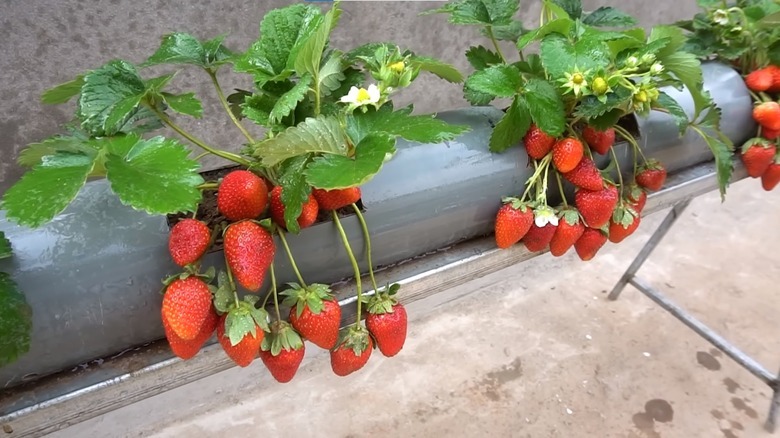
Completing the strawberry tower involves more than just the structural components. The finishing touches and decorations significantly enhance the visual appeal and overall aesthetic of the project. Careful consideration of paints, finishes, and decorative elements will transform the PVC pipes from a simple structure into a captivating piece.The selection of appropriate finishes is critical. These decisions will determine the longevity and visual appeal of the finished project, ensuring its resilience to weather and its attractiveness.
Various methods exist for achieving a beautiful and weather-resistant outcome.
Painting Methods
Proper preparation of the PVC pipes before painting is crucial for a smooth and lasting finish. Thoroughly clean the pipes to remove any dirt, dust, or debris. Sanding the surfaces can create a better adhesion for the paint. Using a primer specifically designed for plastic surfaces can further enhance the paint’s adherence. A variety of painting techniques, from simple brush strokes to spray painting, can achieve desired effects.
The choice depends on the desired level of detail and the scale of the project.
Colors and Finishes for a Strawberry Tower
A strawberry tower evokes a sense of freshness and vibrancy. Consider colors that reflect this theme. Pastels, such as light pinks, greens, and creams, or a more saturated red for the strawberry-inspired hues, can be visually appealing. Alternatively, a monochromatic color scheme using different shades of a single color can create a sophisticated look. A combination of colors can also be implemented, such as a base color with accent colors for the details.
For a more rustic or natural appearance, consider using wood stains or finishes.
Adding Visual Appeal and Aesthetics
The visual appeal of the strawberry tower can be significantly enhanced by adding elements that mimic the characteristics of a real strawberry. Consider using small, decorative elements like faux pearls, gems, or beads to mimic the seeds. Adding small, painted wooden dowels, or small twigs to resemble the stems of the strawberries. For a more realistic effect, small pieces of fabric or felt can be used to represent leaves.
Adding a layer of clear sealant can preserve the integrity of the decorative elements.
Weather Protection
Protecting the PVC pipes from the elements is essential for the long-term preservation of the strawberry tower. A layer of sealant can prevent moisture from penetrating the material, and this helps prevent rust or damage from UV rays. A weather-resistant paint can offer an additional layer of protection.
Decoration Methods Table
| Decoration Method | Materials Needed | Cost | Effect on Aesthetics |
|---|---|---|---|
| Acrylic Paint | Acrylic paint, brushes, primer (optional), protective sealant | Low to Moderate | Vibrant colors, easy to apply, can be customized with different shades |
| Spray Paint | Spray paint, primer (optional), protective sealant | Moderate | Fast application, even coverage, ideal for large areas |
| Decoupage | Decoupage paper, glue, sealant | Moderate | Unique and personalized designs, can mimic textures and patterns |
| Wood Stain | Wood stain, brushes, sealant | Low to Moderate | Rustic and natural look, adds warmth and depth to the structure |
| Faux Pearls/Beads | Faux pearls/beads, glue, sealant | Moderate | Adds subtle elegance and visual interest, mimicking the appearance of seeds or other embellishments |
Planting and Maintaining the Strawberry Tower
Transforming PVC pipes into a productive strawberry tower requires careful planning and execution, especially during the planting and maintenance phases. Proper planting techniques and consistent care will ensure a bountiful harvest throughout the growing season. A well-maintained tower will reward you with fresh, homegrown strawberries for years to come.
Optimal Strawberry Varieties for Tower Planting
Choosing the right strawberry variety is crucial for success in a vertical garden. Compact varieties, known for their smaller size and vigorous growth habit, are ideal for the confined spaces within the PVC pipe levels. Examples include June-bearing varieties like ‘Earliglow’ or ‘Tribute’ and everbearing varieties such as ‘Seascape’ or ‘Albion’. These varieties are well-suited for the unique growing conditions of a vertical tower garden.
Soil Selection and Application
The soil used in a strawberry tower plays a vital role in the plant’s health and productivity. A well-draining, fertile mix is essential. A blend of potting soil, perlite, and vermiculite is highly recommended. Avoid using heavy clay soil as it can lead to waterlogging and root rot. A crucial consideration is the quantity of soil required for each level.
The amount should be sufficient to support the plant’s root system without being overly excessive, preventing soil compaction. Properly sized containers within each level of the PVC pipes will aid in determining the appropriate soil amount for each plant.
Watering Practices
Maintaining consistent moisture levels is vital for strawberry plants. Water deeply and thoroughly, ensuring the water reaches the roots of each plant. Avoid overwatering, as it can lead to root rot. A simple technique is to water early in the morning, allowing the soil to dry slightly between waterings. A well-maintained tower will reduce water runoff, ensuring efficient use of irrigation.
Monitoring soil moisture levels with your fingers is a helpful technique.
Fertilizing the Strawberries
Regular fertilization is essential for healthy growth and fruit production. Use a balanced liquid fertilizer, following the manufacturer’s instructions, every few weeks during the growing season. Over-fertilization can harm the plants, so adhere to the recommended dosage. A slow-release granular fertilizer can also be incorporated into the soil mix.
Pest and Disease Control
Inspect the plants regularly for pests and diseases. Early detection and treatment are essential for preventing widespread infestations. Common pests that affect strawberries include aphids, slugs, and snails. For pest control, consider using organic methods such as insecticidal soap or neem oil. Always follow the instructions on the product label carefully.
Proper plant spacing and air circulation within the tower can help minimize pest problems.
Key Tips for Strawberry Care and Maintenance
Regular inspection for pests and diseases is crucial. Ensure adequate watering, fertilization, and proper soil drainage for optimal plant health.
Safety Precautions and Considerations
Constructing a strawberry tower from PVC pipes requires careful attention to safety. Prioritizing safety throughout the process minimizes the risk of injury and ensures a positive experience. Understanding potential hazards and implementing proper safety measures are crucial for a successful project.Proper safety precautions are essential for working with PVC pipes, tools, and the eventual strawberry tower structure. Adhering to these guidelines will prevent accidents and ensure the well-being of all involved.
A proactive approach to safety minimizes potential risks and creates a secure environment for the project’s completion.
Potential Hazards Associated with PVC Pipes
Working with PVC pipes involves several potential hazards. Sharp edges and fractured pieces from cutting can cause cuts and abrasions. Improper handling can lead to slips, trips, and falls, particularly when working at heights or with heavy materials. Dust generated during cutting and shaping can cause respiratory irritation. These hazards can be mitigated by careful planning and implementation of safety procedures.
Necessary Safety Equipment and Procedures
Adequate safety equipment is critical for minimizing risks. Protective eyewear, gloves, and sturdy work boots are essential to safeguard eyes, hands, and feet from potential injuries. Safety glasses are particularly important when cutting and shaping PVC pipes to prevent flying debris from entering the eyes. Using a dust mask or respirator will help protect against inhaling PVC dust.
If working at heights, a fall protection system, such as a safety harness and lanyard, should be employed. Always inspect tools for damage before use.
Importance of Proper Ventilation and Handling Techniques
Proper ventilation is crucial to minimize exposure to dust and fumes. Working in a well-ventilated area or using a dust extraction system is recommended to avoid respiratory problems. Carefully handling PVC pipes, especially during cutting and assembly, is essential to prevent slips, trips, and falls. Using appropriate lifting techniques, such as utilizing a partner or mechanical aids, is important when handling heavy materials.
When using power tools, always follow the manufacturer’s instructions for safe operation.
Potential Risks Related to the Strawberry Tower’s Structure
The strawberry tower’s design and construction may present certain structural risks. Improperly secured joints or connections can lead to instability and potential collapse. Inadequate support for the weight of the soil and plants can also cause structural failure. Thorough planning and reinforcement of joints and supports are crucial to prevent any issues with stability. Consider the potential weight of the strawberries, soil, and the plants when designing the structure.
Safety Checklist
This checklist provides a structured approach to safety procedures throughout the project. It should be reviewed and followed meticulously before, during, and after the project.
- Before Starting:
- Inspect all tools for damage.
- Ensure adequate ventilation.
- Gather all necessary safety equipment.
- Review the design for structural stability.
- Plan the work area layout to minimize tripping hazards.
- During Construction:
- Wear appropriate safety gear.
- Use proper lifting techniques.
- Maintain a safe distance from power tools.
- Check pipe connections for stability.
- Monitor the weight distribution of the tower.
- After Completion:
- Ensure all tools are stored properly.
- Dispose of waste materials responsibly.
- Inspect the tower for any signs of instability.
- Take necessary measures to reinforce the structure if needed.
- Clean the work area thoroughly.
Troubleshooting Common Issues
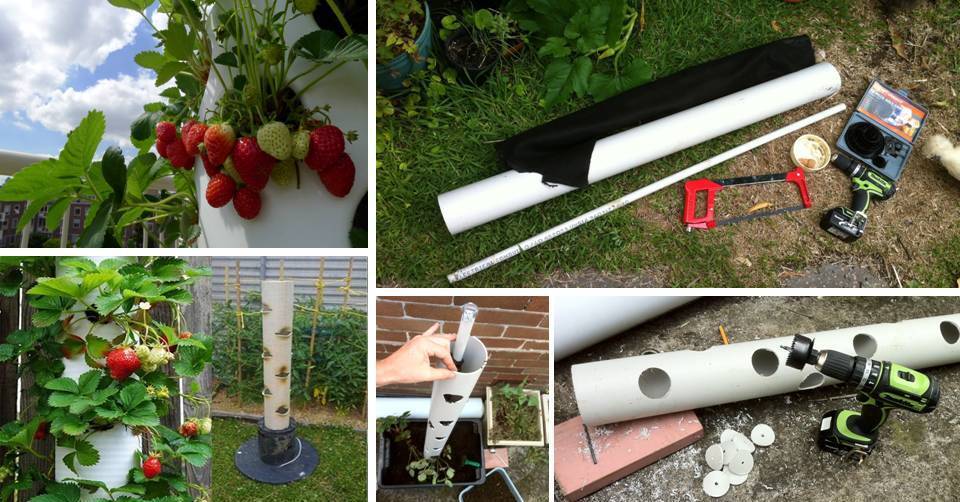
Troubleshooting common issues is a crucial aspect of any DIY project, especially when dealing with intricate structures like a PVC pipe strawberry tower. Proper identification and resolution of problems during construction can prevent costly errors and ensure a successful outcome. This section provides a comprehensive guide to address potential issues that may arise during the upcycling process.
Structural Instability
Structural instability is a common concern in DIY projects involving PVC pipes. Factors like improper pipe connections, inadequate support, and excessive weight can compromise the integrity of the tower. Addressing these issues promptly is essential for the longevity and safety of the structure.
- Issue: The strawberry tower is tilting or sagging.
- Cause: Uneven weight distribution, weak pipe connections, insufficient support structure.
- Solution: Re-evaluate the weight distribution of the strawberries and soil. Ensure all pipe joints are securely fastened using appropriate connectors and clamps. Add additional support braces or struts to reinforce the structure, especially at vulnerable points. If necessary, adjust the base to provide a wider support area.
- Prevention: Thorough planning and design are crucial. Consider the weight capacity of the pipes and connectors when choosing materials. Use appropriate reinforcement methods during assembly.
Leaks
Leaks in the PVC pipe structure can lead to water damage and soil erosion. This can compromise the health of the strawberry plants and the stability of the tower.
- Issue: Water is leaking from the pipe connections.
- Cause: Improper pipe cutting, insufficient sealant, damaged connectors.
- Solution: Identify the leak’s source. If the issue is with the cut ends, re-cut the pipes carefully and apply a suitable pipe sealant or adhesive. Replace damaged connectors with new ones. Ensure a thorough application of sealant to all pipe joints to prevent leakage. If leakage persists, re-assemble the section with new materials and connectors.
- Prevention: Use sharp, clean tools to cut the pipes. Apply a generous layer of pipe sealant to every connection point. Inspect all joints regularly to identify potential problems early on.
Plant Growth Issues
Problems with plant growth within the tower can stem from poor drainage, insufficient soil aeration, or improper watering.
- Issue: Slow plant growth or wilting.
- Cause: Waterlogged soil, lack of drainage, compacted soil.
- Solution: Ensure proper drainage within the tower. Employ a layer of gravel or small stones at the bottom of the tower’s base to aid in water drainage. Add more loose soil if necessary to improve aeration. Adjust watering schedules to avoid overwatering. Monitor soil moisture regularly.
- Prevention: Use well-draining potting mix. Employ a drainage layer in the base of the tower. Monitor the moisture levels and adjust watering as needed.
Table of Troubleshooting Steps
| Issue | Cause | Solution | Prevention |
|---|---|---|---|
| Structural Instability | Uneven weight distribution, weak connections, insufficient support | Re-evaluate weight distribution, secure connections, add support braces | Thorough planning, use appropriate materials, reinforce structure |
| Leaks | Improper cutting, insufficient sealant, damaged connectors | Re-cut pipes, apply sealant, replace damaged connectors | Use sharp tools, generous sealant application, regular inspection |
| Plant Growth Issues | Waterlogged soil, lack of drainage, compacted soil | Ensure proper drainage, add aeration, adjust watering | Use well-draining mix, drainage layer, regular moisture monitoring |
Outcome Summary
In conclusion, building a PVC pipe strawberry tower is a rewarding project that combines sustainability, creativity, and gardening. This guide equips you with the knowledge and steps needed to create a beautiful and productive vertical garden. From the initial design to the final touches, each stage is explained with detail and clarity, allowing you to confidently embark on this exciting upcycling adventure.
Enjoy the process and the delicious fruits of your labor!