Embark on a journey of sustainable creativity with our comprehensive guide on safely cleaning and preparing items for upcycling. Transforming discarded treasures into beautiful, unique pieces requires meticulous attention to detail, and understanding potential hazards is paramount. This guide will equip you with the knowledge and techniques to proceed with confidence and avoid common pitfalls, ensuring your upcycling projects are both successful and safe.
From the initial assessment of the item’s condition to the careful selection of cleaning agents and tools, each step of the process is meticulously detailed. We will explore the specific cleaning methods for various materials, emphasizing the importance of protective gear and proper disposal techniques. This will ensure you approach each upcycling project with the utmost safety and respect for your environment.
Introduction to Upcycling Safety
Upcycling, the art of transforming discarded materials into new creations, is a rewarding endeavor. However, it’s crucial to prioritize safety throughout the process. Proper cleaning and preparation are not just good practice, they are essential for preventing potential hazards and ensuring a safe working environment. This section will Artikel the importance of safety precautions in upcycling, emphasizing the risks associated with various materials and highlighting necessary protective equipment.Safe upcycling practices are vital to prevent injuries and ensure a positive experience.
Ignoring potential hazards can lead to unforeseen problems, from minor cuts and scrapes to more serious health concerns. Knowing the inherent dangers in upcycled materials and taking appropriate measures to mitigate these risks is fundamental to a successful and safe upcycling project.
Potential Hazards of Upcycled Materials
Various materials commonly used in upcycling projects present unique hazards. Understanding these risks allows for the implementation of appropriate safety measures.
- Wood: Wood, especially older or treated lumber, can contain harmful chemicals like arsenic or creosote. Improper sanding or handling can lead to inhalation of dust particles, causing respiratory issues. Wood splinters and sharp edges also pose a significant risk of cuts and abrasions. The presence of nails or screws necessitates careful handling to prevent puncture wounds.
- Metal: Rust, paint, and metal filings can contain hazardous substances. Welding, grinding, or sawing metal can release toxic fumes. Sharp edges and corners from metal pieces can cause cuts and abrasions. Improper handling of metal objects can lead to burns or electric shocks if there are exposed wires.
- Textiles: Older textiles or those treated with chemicals may contain harmful dyes or solvents. Exposure to these substances can cause skin irritation or allergic reactions. Working with fabrics that contain embedded materials (like buttons or zippers) necessitates careful handling to prevent snags or injuries.
- Other Materials: Materials like plastic, glass, and ceramics can pose hazards depending on their condition and treatment. Broken glass can cause lacerations. Improper handling of plastics can lead to burns from certain plastics. Improper disposal of certain materials (like batteries) can lead to environmental concerns.
Essential Protective Equipment
Adequate protective equipment is crucial for mitigating the risks associated with various materials used in upcycling projects. Appropriate use of these tools can significantly reduce the likelihood of accidents.
- Gloves: Protective gloves, depending on the material being handled, are essential for protecting hands from cuts, abrasions, and chemical exposure. Different materials necessitate different types of gloves (e.g., leather gloves for wood, nitrile gloves for chemicals).
- Eye Protection: Safety glasses or goggles are crucial for preventing eye injuries from flying debris, dust, or chemical splashes. The type of protection depends on the upcycling task.
- Respiratory Protection: Dust masks or respirators are vital when working with materials that generate dust, fumes, or other airborne particles. The specific type of respirator should be chosen based on the nature of the materials being used.
- Footwear: Appropriate footwear, such as sturdy closed-toe shoes, is necessary to protect feet from sharp objects, splinters, or potential hazards on the floor.
Safety Precautions Before Starting
Careful preparation before commencing an upcycling project is critical to ensure a safe working environment.
- Thorough Inspection: Carefully inspect all materials for any signs of damage, sharp edges, or potential hazards. Identify and remove any unsafe elements before proceeding.
- Proper Ventilation: Ensure adequate ventilation in the workspace, especially when working with materials that release fumes or dust. Open windows and use exhaust fans to remove harmful particles from the air.
- Designated Workspace: Establish a dedicated workspace free of clutter and distractions. Organize tools and materials to minimize the risk of accidents.
- First Aid Kit: Have a readily accessible first aid kit containing necessary supplies for treating minor cuts, scrapes, or other injuries.
- Emergency Contact Information: Ensure that emergency contact information is readily available in case of an incident.
Preparing Items for Upcycling
Preparing items for upcycling involves more than just selecting the materials. A crucial step is careful preparation to ensure the safety of the upcycling process and the longevity of the final product. This involves dismantling, deconstruction, surface preparation, and repair techniques, all of which must be executed with safety in mind.
Surface Preparation
Proper surface preparation is essential before applying new finishes or coatings. A clean, smooth surface allows for better adhesion and a more aesthetically pleasing result. This step often involves removing old finishes, repairing damages, and smoothing imperfections. The condition of the existing surface directly impacts the quality of the final product and the longevity of the new finish.
Failure to adequately prepare the surface can lead to peeling, bubbling, or other issues.
Removing Old Finishes
Various methods exist for removing old finishes, each with its own safety considerations. The chosen method depends on the type of finish and the material. For example, chemical strippers are effective for removing paint, but they require careful handling and appropriate ventilation to avoid exposure to harmful fumes. Mechanical methods, such as sanding, are often preferred for delicate items or when working with sensitive materials.
Mechanical removal often necessitates multiple steps to achieve a satisfactory level of surface preparation. Always prioritize safety by wearing appropriate personal protective equipment (PPE) when handling chemicals or using power tools.
Repairing Damaged Items
Repairing damaged items before upcycling is often necessary to maintain structural integrity and aesthetic appeal. Methods for repairing damaged items vary depending on the material and the nature of the damage. For example, wood can be repaired with wood filler, screws, or glue. Metal may require welding or patching. Proper repairs prevent further deterioration and ensure the upcycled item remains stable and functional.
Thorough repair work is crucial for both safety and the longevity of the finished product.
Preparing a Wooden Chair for Upcycling
Careful preparation is paramount for upcycling a wooden chair, as it involves handling various materials and tools. Safety is paramount. Here’s a table outlining the steps, tools, safety measures, and potential hazards:
| Step | Description | Tools | Safety Measures | Potential Hazards |
|---|---|---|---|---|
| 1. Disassembly | Remove screws, hinges, and other hardware to disassemble the chair into manageable parts. | Screwdrivers, pliers, hammer | Wear safety glasses, gloves, and sturdy shoes. Ensure a stable work surface. | Sharp edges, loose parts, falling pieces. |
| 2. Cleaning | Remove dust, dirt, and debris from all parts using a brush or vacuum cleaner. | Brushes, vacuum cleaner | Wear a dust mask for indoor use. | Dust inhalation. |
| 3. Surface Inspection | Inspect the wood for damage, such as cracks, splinters, or rot. | Magnifying glass (optional) | Pay close attention to details. | Hidden damage that may require additional repair steps. |
| 4. Repair (if needed) | Repair any damage with wood filler, screws, or glue. | Wood filler, sandpaper, screws, glue | Follow manufacturer instructions for all materials. | Improper repair methods. |
| 5. Sanding | Sand the chair parts to smooth out any imperfections. | Sandpaper (various grits), orbital sander (optional) | Use appropriate respirator and eye protection. Work in a well-ventilated area. | Dust inhalation, eye irritation, and injury from power tools. |
| 6. Priming (optional) | Apply primer to the sanded surfaces to ensure proper adhesion of the new finish. | Primer, brush or roller | Follow primer instructions. Ventilate the area. | Exposure to primer fumes. |
Identifying and Handling Hazardous Materials
Upcycling offers a fantastic opportunity to repurpose materials and reduce waste. However, it’s crucial to identify and safely handle any potential hazardous materials present in the items you’re working with. Proper handling and disposal are essential for your health and safety, as well as for environmental protection. This section Artikels the key steps to ensure a safe and responsible upcycling process.Understanding the presence and proper handling of hazardous materials is paramount in upcycling.
Many items, seemingly benign, can contain substances that pose significant health risks if mishandled. Thorough identification and safe disposal procedures are crucial to mitigate these risks.
Identifying Potential Hazardous Materials
Proper identification of potential hazardous materials is the first step towards safe upcycling. Careful observation and research are key to this process. Look for visible signs, such as labels, markings, or discoloration. These clues can provide valuable information about the presence of hazardous substances. Also, check for any documentation accompanying the item that might contain details about its composition.
Safe Handling Procedures
Safe handling procedures are critical for preventing exposure to hazardous materials. When dealing with items that might contain lead paint, for example, always wear appropriate personal protective equipment (PPE). This includes gloves, eye protection, and a respirator. Work in a well-ventilated area to minimize inhalation of harmful particles.
Handling Lead Paint
Lead paint is a common hazardous material found in older items. If you suspect an item contains lead paint, avoid sanding or scraping it. Instead, consider methods that minimize the release of lead dust. Encapsulation, encapsulation, or complete replacement of the item with a lead-free alternative are better options. When working with lead paint, ensure that you follow all safety guidelines and use the proper disposal methods for lead-contaminated materials.
Handling Asbestos
Asbestos is another hazardous material commonly found in older building materials. If you suspect an item contains asbestos, do not attempt to remove or disturb it. Instead, contact a qualified professional for proper removal and disposal. Never attempt to handle asbestos yourself without specialized training and equipment.
Proper Disposal Methods
Proper disposal of hazardous materials is essential for environmental protection. Never dispose of hazardous materials in regular trash bins. Follow local regulations and guidelines for the disposal of specific hazardous substances. Consult your local waste management authority for instructions on the safe disposal of materials like lead paint or asbestos.
Local Regulations
Understanding local regulations regarding hazardous materials disposal is crucial for responsible upcycling. Different jurisdictions have specific requirements for the handling and disposal of hazardous materials. Always check with your local waste management authorities for up-to-date information on regulations and guidelines. Complying with local regulations ensures that your disposal practices are environmentally sound.
Resources for Safe Disposal
Numerous resources are available to help you learn about safe disposal practices for hazardous materials. Your local waste management authority is an excellent starting point. They can provide detailed information on the proper disposal methods for specific hazardous materials. Online resources, such as the Environmental Protection Agency (EPA) website, also offer valuable information on hazardous waste disposal.
Additionally, consider contacting local recycling centers or hazardous waste collection facilities for specific guidance.
| Hazardous Material | Disposal Method |
|---|---|
| Lead Paint | Consult local authorities for safe removal and disposal methods. |
| Asbestos | Do not attempt removal yourself. Contact a professional for removal and disposal. |
| Other Hazardous Materials | Check with your local waste management authority for proper disposal procedures. |
Tools and Equipment for Safe Upcycling
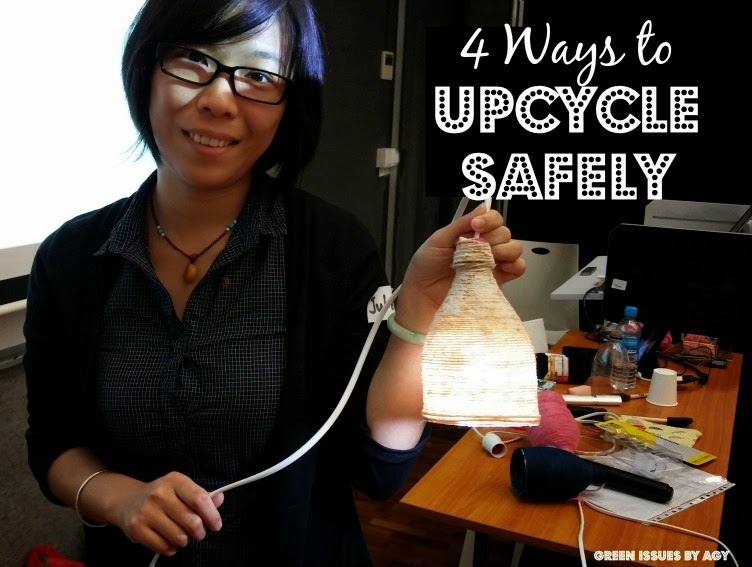
Safe upcycling involves careful handling of various materials and potential hazards. Proper tools and equipment are crucial for minimizing risks and maximizing efficiency. Choosing the right tools and understanding their safe operation are paramount to preventing injuries and ensuring a successful upcycling project.
Essential Cleaning Tools
A well-equipped toolkit for upcycling allows for thorough cleaning and preparation of items. This includes tools for removing paint, rust, and other surface contaminants, while ensuring safety throughout the process. Careful selection and proper use of these tools are critical for preventing accidents.
- Scrapers: Different scrapers, such as plastic, metal, or even specialized blades, are useful for removing layers of paint, adhesive residue, or other unwanted materials. Ensure the scraper is appropriate for the material being worked on, and always use caution to avoid damaging the underlying surface. Sharp scrapers require extra care and proper handling to prevent cuts or scratches.
Wearing appropriate safety glasses and gloves is crucial.
- Wire Brushes: Wire brushes are effective for removing rust, grime, and other surface contaminants from metal items. Different grades of wire brushes cater to different levels of surface preparation. The abrasive nature of wire brushes can cause skin irritation or eye injuries, so proper eye protection and protective gloves are essential.
- Sanding Tools: Sandpaper, sanding blocks, and orbital sanders are necessary for smoothing surfaces and preparing them for refinishing. Different grit sandpaper is needed for various tasks, and orbital sanders can be used for faster and more controlled sanding. Always wear dust masks to prevent inhalation of sanding dust.
- Chemical Cleaners: Depending on the material, specific chemical cleaners may be necessary to remove stains, adhesives, or other contaminants. Always follow the manufacturer’s instructions for safe handling, use, and disposal of these chemicals. Appropriate ventilation and personal protective equipment are vital.
Protective Gear
Safe upcycling requires suitable personal protective equipment (PPE). This protects against potential hazards such as chemical exposure, dust inhalation, and sharp objects.
- Safety Glasses: Safety glasses provide eye protection from flying debris, chemical splashes, and dust. Choose glasses with side shields for comprehensive protection. Compare and contrast various types of safety glasses. For instance, some glasses are designed for specific chemicals, while others focus on impact resistance. Always select the appropriate type of safety glasses for the specific upcycling task.
- Gloves: Gloves protect hands from cuts, abrasions, and chemical exposure. Choose gloves made of materials that provide appropriate protection for the task. For example, nitrile gloves are suitable for chemical handling, while leather gloves are useful for handling sharp objects. Consider the duration of use and the level of protection needed when selecting gloves.
- Respirators: Respirators protect against inhalation of dust, fumes, and other airborne contaminants. Select a respirator that is appropriate for the specific upcycling task and the type of contaminants involved. For example, N95 respirators are suitable for filtering out small particles, while gas masks are necessary for handling hazardous gases. Proper respirator fitting and maintenance are critical for effective protection.
Tools and Equipment Table
The following table Artikels essential tools and equipment for safe upcycling, along with their purpose and safety considerations.
| Tool/Equipment | Purpose | Safety Considerations |
|---|---|---|
| Scrapers | Removing paint, adhesive, and other materials | Sharp edges, appropriate for material, safety glasses, gloves |
| Wire Brushes | Removing rust, grime, and contaminants from metal | Abrasive nature, eye protection, gloves |
| Sanding Tools | Smoothing surfaces, preparing for refinishing | Dust inhalation, dust masks, eye protection, gloves |
| Chemical Cleaners | Removing stains, adhesives, and contaminants | Follow manufacturer’s instructions, ventilation, PPE |
| Safety Glasses | Eye protection from flying debris, chemicals | Side shields, appropriate type |
| Gloves | Hand protection from cuts, abrasions, and chemicals | Material appropriate for task, consider duration of use |
| Respirators | Protecting against inhalation of dust, fumes | Proper fit, maintenance, appropriate type |
Illustrative Examples of Safe Upcycling Projects
Safe upcycling involves transforming discarded materials into new, useful items while prioritizing safety and sustainability. Careful consideration of materials and techniques is crucial to prevent harm and ensure the finished product is both functional and safe. This section provides practical examples of upcycling projects across various materials, emphasizing the importance of appropriate skill levels and resource assessment.
Wood Upcycling Project: Creating a Rustic Coffee Table
Transforming old wooden pallets into a sturdy and attractive coffee table is a rewarding upcycling project. First, carefully inspect the pallets for any signs of damage, rot, or nails that might pose a safety hazard. Thoroughly sand the wood to smooth rough edges and remove splinters. Ensure all surfaces are free from harmful chemicals or coatings before proceeding.
To prevent splinters and ensure stability, reinforce the structure with screws or brackets. Apply a sealant or paint to protect the wood from the elements and enhance its aesthetic appeal. This project requires basic woodworking skills and appropriate safety equipment like gloves, eye protection, and a dust mask.
Textile Upcycling Project: Crafting a Stylish Tote Bag
Turning old or unwanted t-shirts, denim, or upholstery fabrics into a unique tote bag is a great way to reduce textile waste. Carefully evaluate the condition of the fabric for tears, stains, or any embedded hazardous materials. If the fabric contains remnants of dyes or chemicals, it’s essential to thoroughly wash and rinse the material to remove any traces.
A well-ventilated work area and appropriate cleaning solutions are essential. A sewing machine, thread, and basic sewing skills are required. Consider the bag’s intended use and adjust the design to suit the purpose. A sturdy, durable fabric will ensure the bag can withstand daily use.
Metal Upcycling Project: Repurposing an Old Metal Bucket into a Planter
Repurposing an old metal bucket into a stylish planter is a straightforward metal upcycling project. Start by thoroughly cleaning the bucket to remove any rust, paint, or contaminants. If there are any signs of corrosion or embedded hazardous materials, ensure appropriate removal techniques are used. Using sandpaper or a wire brush, gently remove any loose rust. Inspect the metal for any sharp edges or protruding parts that could pose a risk of injury.
If necessary, use metal file or grinder to smooth the edges. A sturdy metal bucket with a good foundation will provide a suitable planter base. Finally, consider the appropriate potting soil to ensure plant health.
Choosing Appropriate Upcycling Projects
Matching upcycling projects to your skills and available resources is crucial for a successful and safe outcome. Assess your experience level, tools, and materials before embarking on a project. Starting with simpler projects and gradually increasing complexity as skills develop is a prudent approach. For example, repairing a damaged wooden chair might be more suitable for a beginner than constructing a complex metal sculpture.
Assessing Item Condition Before Starting
Thorough assessment of the item’s condition is paramount. Examine the item for any signs of damage, wear, or potential hazards. Look for signs of rot, rust, mold, or embedded chemicals. If the item is used or repurposed, identify potential contamination sources like paint, adhesives, or hazardous materials. For instance, old electronics may contain lead or mercury, while certain fabrics may have residual dyes.
Understanding the condition of the item allows for informed decisions regarding safety precautions and the necessary materials or tools for the upcycling project.
Preventing Accidents and Injuries
Safe upcycling practices are paramount to ensuring a positive and injury-free experience. Proper preparation, understanding potential hazards, and implementing safety measures can significantly reduce the risk of accidents during the cleaning and preparation process. A focus on safety not only protects the upcycler but also minimizes potential damage to the items being worked on.A thorough understanding of potential hazards and proactive safety measures are crucial for successful and safe upcycling projects.
This includes recognizing the dangers inherent in various tools and materials, creating a well-organized workspace, and prioritizing proper ventilation and lighting. By following these guidelines, upcyclers can transform discarded items into cherished creations while maintaining a safe and productive environment.
Methods for Preventing Accidents and Injuries
Preventing accidents and injuries during upcycling requires a proactive approach. This includes meticulous preparation, recognizing potential hazards, and creating a safe workspace. The goal is to minimize risks and create a comfortable and productive environment.
- Thorough Inspection: Before commencing any project, thoroughly inspect all materials for potential hazards. Look for sharp edges, splinters, or loose components that could cause cuts or injuries. Assess the overall structural integrity of the item to ensure it is stable during handling and cleaning. Inspect any pre-existing damage, ensuring that the identified damages do not pose further risks during the project.
- Appropriate Protective Gear: Wear appropriate personal protective equipment (PPE) such as safety glasses, gloves, and dust masks. The type of PPE required will vary based on the specific project and materials being used. For example, when working with sharp objects, using gloves and safety glasses is crucial. If working with abrasive materials, a dust mask is essential.
- Proper Lifting Techniques: When handling heavy or awkward items, use proper lifting techniques to avoid strain or injury. This involves bending your knees, keeping your back straight, and lifting with your legs, not your back. If an item is too heavy to lift safely on your own, seek assistance from another person.
- Secure Work Area: Establish a dedicated, organized, and stable workspace. Clear away any unnecessary items or obstructions that could cause tripping hazards. Ensure that the floor is clean and dry to prevent slips and falls. Use sturdy workbenches or tables to avoid wobbling or unstable surfaces.
Potential Hazards Associated with Upcycling Tools and Materials
Understanding the potential hazards of upcycling tools and materials is crucial for preventing accidents. Different materials and tools present varying degrees of risk, necessitating careful handling and attention to detail.
- Sharp Objects: Tools like saws, knives, and screwdrivers can cause cuts or lacerations. Handle these tools with extreme care, using appropriate safety equipment. Ensure that blades are sharp and properly maintained to reduce the risk of slipping or jumping.
- Abrasive Materials: Materials like sandpaper and wood can generate dust and particles that can cause respiratory issues. Always wear a dust mask when working with these materials to protect your lungs. Employ proper ventilation to minimize airborne particles.
- Chemical Hazards: Some materials may contain hazardous chemicals, such as paints or adhesives. Always read labels carefully and follow instructions for safe handling. Wear appropriate protective gear, such as gloves and eye protection, when working with potentially hazardous materials. Properly dispose of chemical waste in accordance with local regulations.
Importance of a Safe Workspace
A well-organized and well-lit workspace significantly reduces the risk of accidents. Clearance of clutter, proper lighting, and a stable work surface contribute to a safer upcycling environment.
- Clear Workspace: Clear the workspace of any unnecessary items or obstructions. Ensure that the floor is clear of any potential tripping hazards. This helps prevent accidents like slips, trips, or falls.
- Adequate Lighting: Sufficient lighting is essential for clear visibility, reducing the risk of errors or accidents. Use well-positioned lamps or overhead lighting to illuminate the workspace adequately. This prevents potential eye strain or accidents caused by poor visibility.
- Stable Work Surface: A stable and sturdy work surface is crucial for preventing accidents. Ensure the work surface is level and strong enough to support the weight of materials and tools being used.
Importance of Proper Ventilation and Lighting
Proper ventilation and lighting are critical for a safe upcycling environment. They prevent health issues and accidents.
- Adequate Ventilation: Adequate ventilation helps remove dust, fumes, and other airborne particles that can cause respiratory problems or eye irritation. Ensure proper airflow in the workspace, especially when working with abrasive materials or chemicals. Open windows or use fans to improve ventilation.
- Proper Lighting: Good lighting is crucial for clear visibility and prevents eye strain. Use well-positioned lamps or overhead lighting to adequately illuminate the workspace. Natural light is ideal, but supplemental lighting should be employed if natural light is insufficient.
Safety Tips for Upcycling Projects
Following these safety tips can significantly reduce the risk of injuries during upcycling projects.
- Know Your Limits: Don’t attempt projects beyond your skill level or experience. If a project seems too complex or dangerous, seek assistance from a more experienced upcycler.
- Regular Breaks: Take regular breaks to avoid fatigue, which can increase the risk of accidents. Stretching and taking short breaks can help maintain focus and reduce the risk of injury.
- Communicate with Others: When working with others, communicate clearly and ensure everyone is aware of safety procedures. This avoids confusion and potential accidents.
- Dispose of Waste Properly: Dispose of materials and waste appropriately. Follow local regulations and guidelines for safe disposal of hazardous materials.
Final Review
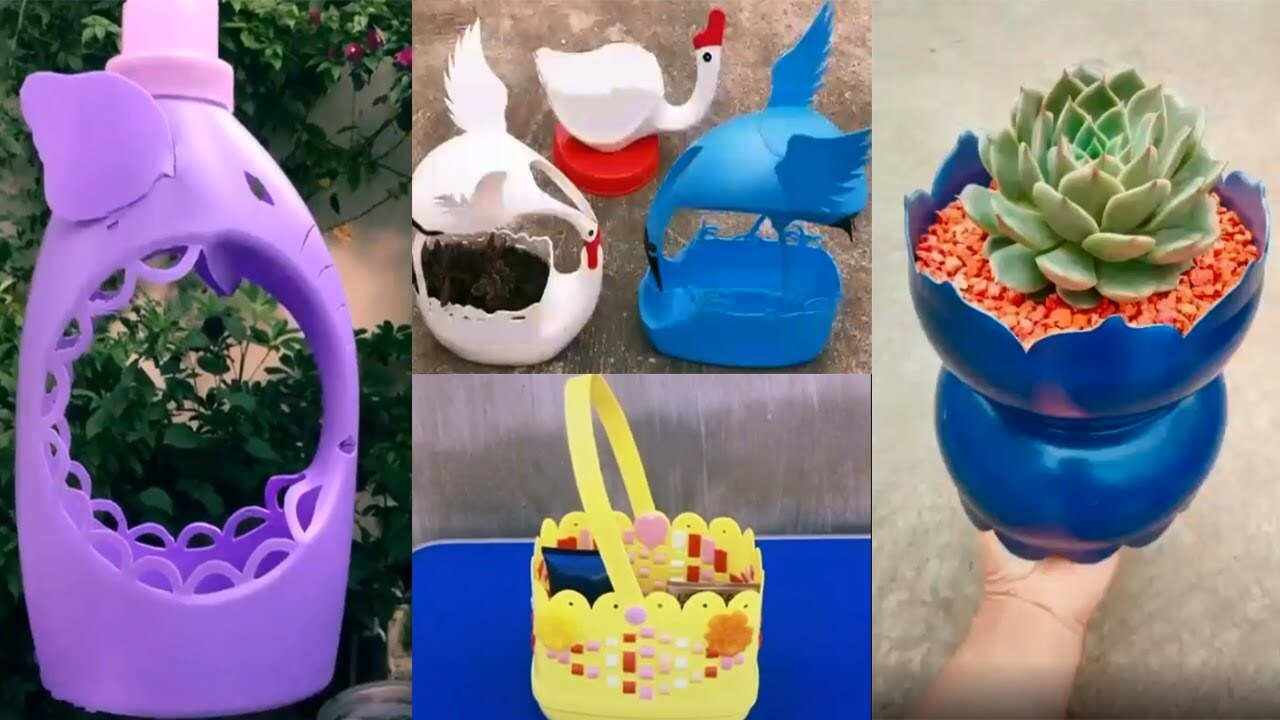
In conclusion, this guide has provided a robust framework for safe upcycling practices. By understanding the potential hazards, utilizing the correct tools and methods, and meticulously preparing materials, you can embark on your upcycling journey with confidence and minimize risks. We encourage you to prioritize safety in every step, fostering a sustainable and creative approach to transforming discarded items into cherished treasures.