Transforming a man’s dress shirt into a stylish and functional apron is a rewarding project that combines creativity with sustainability. This guide will walk you through the entire process, from initial material selection to final embellishments, providing detailed instructions and inspiration for a variety of apron styles. Learning how to upcycle clothing not only reduces textile waste but also allows you to create unique and personalized garments.
This comprehensive guide delves into the process of transforming a dress shirt into a usable apron, covering everything from the history of upcycling to practical tips for sewing and finishing. Whether you’re a seasoned sewer or a beginner, this resource will equip you with the knowledge and skills needed to bring your creative vision to life. We will explore various styles of aprons, suitable fabrics, and essential tools, ensuring you have a clear understanding of the entire process.
Introduction to Upcycling Dress Shirts into Aprons
Upcycling, the art of transforming discarded materials into something new and useful, is gaining popularity as a sustainable and creative practice. This trend is driven by a growing awareness of the environmental impact of fast fashion and the desire to reduce waste. By repurposing existing clothing, we can lessen our environmental footprint and foster a more circular economy.The process of upcycling dress shirts into aprons offers a unique opportunity to create functional and stylish kitchen wear.
This transformation not only minimizes textile waste but also allows for personalization and the creation of garments tailored to individual needs and preferences. Dress shirts, with their structured fabric and often pre-existing embellishments, are particularly well-suited for creative repurposing.
History of Upcycling Clothing
Upcycling, in essence, is an ancient practice. Throughout history, communities have adapted and reused materials to conserve resources and maintain functionality. The modern upcycling movement gained traction in the early 2000s, coinciding with increasing awareness of environmental issues and a shift towards sustainable consumption. The rise of online platforms and social media has further facilitated the sharing of upcycling techniques and designs, contributing to the continued growth of this movement.
Environmental Benefits of Upcycling
Upcycling dramatically reduces textile waste, preventing discarded clothing from ending up in landfills. By repurposing existing materials, we minimize the demand for new resources, thereby lowering the environmental impact of the fashion industry. The production of new garments often involves significant energy consumption and water usage, making upcycling a more sustainable alternative. Upcycling also lessens the environmental burden associated with textile dyeing and finishing processes.
Versatility of Dress Shirts for Repurposing
Dress shirts offer a remarkable versatility for creative repurposing. Their structured nature, often featuring durable fabrics, lends itself well to the creation of functional garments. The pre-existing details, such as button closures and collars, can be incorporated into the design of the apron. The variety in fabric types – cotton, linen, and silk – also adds to the possibilities for diverse apron styles.
Different Styles of Aprons from Dress Shirts
The transformation of dress shirts into aprons offers diverse possibilities. One can create classic aprons with simple cuts, emphasizing the structured nature of the shirt. Alternatively, one could incorporate unique details, such as decorative stitching or embroidery, to create more elaborate and artistic aprons. Consider adding pockets for practicality or incorporating a sash for an extra touch of style.
Steps Involved in the Transformation Process
The process typically involves careful planning and execution. Firstly, select a dress shirt suitable for repurposing. Next, measure and cut the fabric according to the desired apron style. The cutting and stitching process should be executed with precision, ensuring the final product is both functional and aesthetically pleasing. Finally, incorporate any desired details, such as pockets or embellishments.
Comparison of Dress Shirt Fabrics for Apron Creation
| Fabric | Pros | Cons |
|---|---|---|
| Cotton | Affordable, durable, breathable, readily available | Can wrinkle easily, may not hold shape as well as other fabrics |
| Linen | Durable, breathable, stylish, naturally wrinkle resistant (after initial wear) | Can be more expensive, may require more careful handling during the cutting and sewing process |
| Silk | Luxurious, elegant, soft texture, high-end look | More delicate, prone to damage, potentially more expensive, requires specialized care and sewing skills |
Materials and Tools Needed
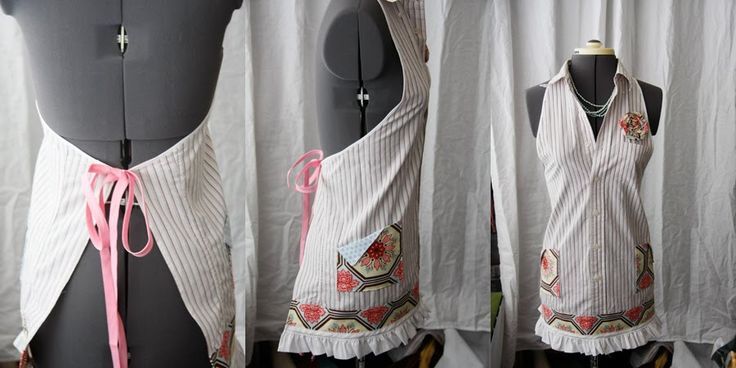
Transforming a dress shirt into a functional and stylish apron requires careful planning and the right tools. This section details the essential materials and tools, guiding you through the process efficiently and effectively. A well-equipped workspace and a thoughtful selection of materials will greatly contribute to a successful upcycling project.Accurate measurements and a selection of appropriate materials are paramount to achieving a well-fitting and aesthetically pleasing apron.
Understanding the necessary tools and supplies ensures a smooth and rewarding upcycling experience.
Essential Sewing Tools
Careful selection and use of sewing tools are crucial for precision and quality in the upcycling process. A well-organized collection of tools will contribute to a more efficient and satisfying experience.
- Sewing Machine: A reliable sewing machine is essential for stitching seams and creating clean edges. Modern sewing machines offer various features to enhance efficiency and control.
- Scissors: Sharp fabric scissors are needed for precise cutting. Sharp scissors reduce the risk of fraying and uneven cuts.
- Measuring Tape: Accurate measurements are critical for a well-fitting apron. A flexible measuring tape will ensure precise measurements for all components.
- Pins: Pins are used to hold fabric pieces in place during the sewing process. A variety of pin sizes and colors may be useful.
- Fabric Marking Pen: A fabric marking pen is used to mark sewing lines on the fabric. A fabric pen is essential for precise marking, especially for more intricate designs.
- Iron and Ironing Board: Ironing is necessary for smoothing out wrinkles and creating a professional finish. A good quality iron is necessary for efficient ironing.
Suitable Dress Shirt Types
Different dress shirt styles offer various possibilities for upcycling. Consider the shirt’s fabric, construction, and design elements.
- Cotton Dress Shirts: Cotton is a popular choice for its durability and ease of work. Cotton dress shirts are commonly used due to their versatility and relatively low cost.
- Linen Dress Shirts: Linen, known for its breathability and natural texture, offers a unique aesthetic. Linen shirts can provide a unique and stylish look to the apron.
- Polyester or Blend Dress Shirts: While not as desirable as natural fibers, polyester or blended dress shirts offer a more affordable and practical option. Polyester blend shirts can be a more cost-effective choice for upcycling.
Essential Sewing Supplies
A well-stocked sewing kit is crucial for successful upcycling projects. Each item serves a specific function in the process.
| Supply | Function |
|---|---|
| Thread | Thread is used to stitch the fabric together. Matching thread to the fabric color enhances the appearance of the apron. |
| Fabric Glue | Fabric glue is used for attaching embellishments or repairing damaged areas. This is a useful alternative to sewing in certain situations. |
| Seam Ripper | A seam ripper is used to carefully remove stitches. A seam ripper is useful for making corrections or adjustments. |
| Scissors | Sharp scissors are used for cutting fabric precisely. Using sharp scissors reduces the risk of fraying or uneven cuts. |
| Zippers | Zippers can add functionality or a unique touch to the apron. Zippers can be used to add pockets or other features. |
Alternative Materials
Incorporating alternative materials can enhance the apron’s design and functionality. These additions can elevate the appearance and utility of the apron.
- Buttons: Buttons can add a decorative touch and improve the apron’s closure. Various button styles and colors can be used to create a personalized look.
- Zippers: Zippers can be incorporated to add pockets or create a unique closure style. Zippers provide a practical addition to the apron.
- Ribbons/Laces: Ribbons or laces can be used to add decorative elements or create a tie closure. Ribbons can be used to enhance the aesthetic appeal of the apron.
Dress Shirt Measurement
Accurate measurements of the dress shirt are essential for a well-fitting apron. Precise measurements ensure a comfortable and tailored fit.
Accurate measurements prevent alterations or adjustments later in the process.
Accurate measurements of the dress shirt are necessary to create an apron that fits comfortably and aligns with the intended design.
Button Styles for Aprons
Different button styles offer varying aesthetics and functionality. Consider the apron’s overall design when choosing buttons.
| Button Style | Suitability for Apron |
|---|---|
| Classic Buttons | Versatile and timeless, suitable for most apron styles. |
| Decorative Buttons | Add a unique touch, especially for aprons with a bold or patterned design. |
| Large Buttons | Suitable for aprons with a relaxed or rustic aesthetic. |
| Small Buttons | Perfect for aprons with a refined or delicate design. |
Cutting and Preparation Techniques
Transforming a dress shirt into a functional apron requires careful planning and precise execution. Understanding the various cutting and preparation techniques is crucial for achieving a well-fitting and durable apron. This section details the process of measuring and cutting, different cutting methods, and essential preparation steps for successful sewing.
Measuring and Cutting the Dress Shirt
Accurate measurements are paramount to ensure a well-fitting apron. Measure the desired apron length and width, taking into consideration the wearer’s body type and preferred apron style. Use a fabric measuring tape to obtain precise measurements. Mark these measurements on the dress shirt, noting the placement for the apron’s front and back panels. Carefully cut along the marked lines, ensuring clean, straight edges for a professional finish.
Use sharp scissors or rotary cutter for precise cutting.
Different Cutting Techniques for Apron Shapes
Various cutting techniques are employed to achieve specific apron shapes. A rectangular cut is ideal for simple, boxy aprons. A curved cut, on the other hand, creates a more flowing and flattering design. Consider the desired apron style when choosing a cutting technique. For example, a classic apron might utilize a rectangular cut for the main body, while a gathered apron may involve a curved cut for a more fitted look.
Preparing the Dress Shirt for Sewing
Proper preparation of the dress shirt is essential for a smooth sewing process. This includes pre-washing the shirt to prevent shrinkage after sewing. Pre-shrinking is vital, especially with cotton fabrics. Iron the shirt to remove wrinkles and ensure a crisp, clean finish. This helps to prevent fabric distortion during the sewing process.
Preparing Different Shirt Collars for Repurposing
The dress shirt collar can be repurposed in several ways. A button-down collar can be incorporated into the apron as a decorative element or as part of the apron’s front closure. Alternatively, a collar can be removed and used to reinforce seams, or for a decorative panel on the apron. The collar’s fabric can be used for details like pockets or straps.
Managing Potential Fabric Imperfections
Imperfections in the dress shirt fabric, such as small tears or stains, need careful attention. Small tears can be easily repaired with a small patch or by carefully stitching the fabric together. Stains, if possible, should be treated before cutting. If the stain is substantial or cannot be removed, it should be considered when determining the location for the apron’s panels.
Careful consideration of these imperfections during the cutting process is key.
Comparison of Cutting Patterns for Different Apron Styles
| Apron Style | Cutting Pattern | Description |
|---|---|---|
| Simple Boxy Apron | Rectangular | A straightforward cut with minimal shaping. |
| Classic Apron | Rectangular with a gathered waist | Provides a structured, fitted look with a gathered waist. |
| Gathered Apron | Curved with gathered waist | Creates a flowing and comfortable apron with a gathered waist. |
| Waist-tied Apron | Trapezoidal with ties | A more elaborate cut featuring a trapezoidal shape with ties for a waist adjustment. |
Sewing for Various Apron Styles
Transforming a dress shirt into a practical and stylish apron involves careful sewing techniques. Understanding the different apron styles and their corresponding sewing methods is key to achieving a well-fitting and functional garment. This section details the step-by-step processes for creating various apron types, ensuring a successful upcycling project.
Simple Apron Construction
A simple apron, ideal for basic tasks, is a great starting point for beginners. It focuses on a straightforward design that emphasizes ease of use and durability.
- Cutting: Carefully cut the dress shirt into the desired apron shape. Consider the shirt’s size and the intended usage when determining the apron’s dimensions. For a simple apron, you’ll need a rectangular or trapezoidal piece of fabric. Account for seam allowances when cutting.
- Hemming the Apron’s Edges: Fold and stitch the raw edges of the apron to create a finished hem. This step prevents fraying and improves the apron’s appearance. Use a sewing machine or a hand-sewing needle and thread for this step, depending on your preference.
- Adding a Tie or Belt: For a simple apron, you can attach a tie or belt for a more customized fit. The tie can be made from a separate piece of fabric or the excess shirt material. Fold the tie and stitch it in place, ensuring a secure attachment.
Bib Apron Construction
A bib apron, featuring a bib-like front section, is excellent for tasks that require hands-free use. The design allows for greater protection of the front of the user’s clothing.
- Cutting the Bib: Cut a bib shape from the dress shirt, considering the desired apron size and the shape of the shirt. The bib will usually have two vertical panels joined at the center front, with a flap for the neck area.
- Sewing the Bib Panels: Join the two bib panels together along the center front seam. Use a sewing machine or hand-sewing technique. Ensure the seam is neat and secure.
- Attaching the Neckband: A neckband, cut from the shirt or a separate fabric, will attach the bib to the waist section. Sew the neckband to the bib and the apron’s waist section. This creates a complete bib apron structure.
- Finishing Touches: Finish the edges of the apron for a polished look, and attach ties for a customized fit.
Waist Apron Construction
A waist apron, designed for waist placement, is suitable for activities that demand freedom of movement.
- Cutting the Waist Panel: Cut a rectangular or trapezoidal piece of fabric from the dress shirt for the apron’s waist panel. Consider the desired width and length of the apron.
- Hemming the Waist Panel: Hem the raw edges of the waist panel. This step ensures a neat and professional finish.
- Adding Ties or Straps: Attach ties or straps to the sides or back of the waist panel. This allows the user to adjust the apron’s fit. These ties can be made from the shirt’s fabric or a contrasting material.
- Reinforcing the Apron’s Waist: Consider reinforcing the waist area with extra fabric or a sturdy interfacing to improve durability.
Adding Pockets to the Apron
Pockets provide convenient storage for tools or utensils.
- Designing Pocket Shapes: Design pockets that suit the apron’s style. Square, rectangular, or even triangular pockets are possibilities. Consider the size and shape of the items you intend to store in the pockets.
- Cutting and Stitching the Pockets: Cut the pocket shapes from a contrasting fabric or the same shirt material. Sew the pocket pieces together to create the pocket’s structure. Attach the pocket to the apron’s main body.
- Securing the Pocket: Secure the pocket’s edges to the apron, ensuring a secure attachment. This can be done by using a variety of stitching techniques.
Reinforcing Stress Points
Reinforcing stress points ensures durability and prevents wear and tear.
- Identifying Stress Points: Identify areas on the apron that are likely to experience high stress, such as the waistline or areas where the apron is tied.
- Adding Reinforcement: Reinforce these areas with additional layers of fabric or by using interfacing materials. This provides additional support and durability.
- Reinforcing the Ties: Consider reinforcing the apron’s ties with extra fabric to prevent wear and tear on the ties themselves.
Apron Style Comparison
| Apron Style | Description | Sewing Steps |
|---|---|---|
| Simple Apron | A basic rectangular or trapezoidal apron. | Cutting, hemming, attaching ties. |
| Bib Apron | Features a bib-like front section. | Cutting bib panels, sewing panels, attaching neckband, finishing edges. |
| Waist Apron | A waist-placed apron. | Cutting waist panel, hemming, adding ties or straps, reinforcing waist. |
Finishing Touches and Customization
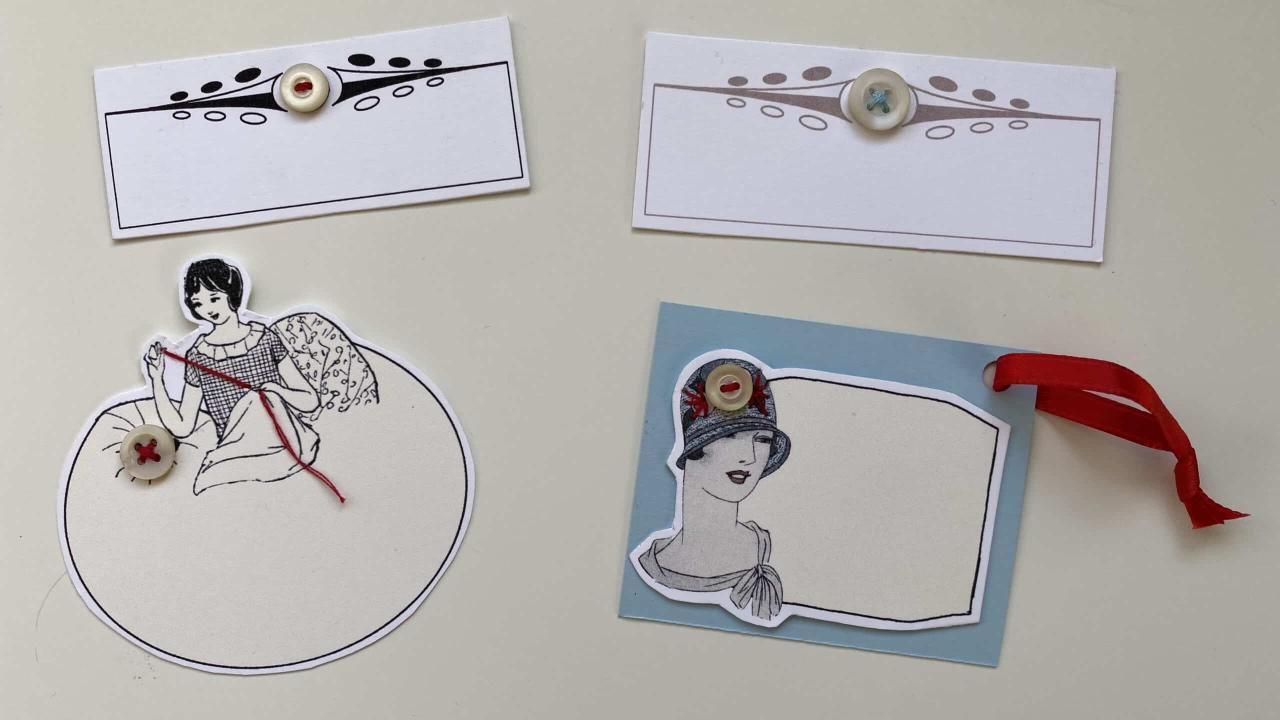
Transforming a dress shirt into a functional and stylish apron requires careful attention to detail in the finishing touches. These final steps enhance the apron’s durability, aesthetic appeal, and overall usability. This section will guide you through various techniques to personalize your upcycled apron, from simple edge treatments to elaborate embellishments.Careful attention to finishing touches ensures a professional and polished look for your handmade apron.
These final steps elevate the project from a simple transformation to a truly personalized and unique creation.
Finishing Raw Edges
Properly finishing the raw edges of your apron is crucial for preventing fraying and ensuring a clean, professional appearance. Several methods can achieve this, each with its own advantages.
- Serging: Using a serger machine creates a clean, finished edge by locking the raw edges together. This method is ideal for preventing fraying and achieving a professional-looking finish, particularly for aprons with complex shapes.
- Zigzag Stitch: A zigzag stitch on a standard sewing machine can effectively seal the raw edges, creating a sturdy and durable finish. Adjusting the stitch length and width can customize the final look. This is a good alternative for those without a serger.
- Overcasting: Overcasting, often achieved with a specialized stitch on a sewing machine, covers the raw edges with a series of small stitches, producing a finished, neat edge. This method effectively prevents unraveling and provides a durable, aesthetically pleasing finish.
- Blind Hemming: A blind hem is a great option for creating a neat, hidden finish, particularly suitable for the apron’s neckline or other areas where a clean edge is desired. This method is commonly used in professional tailoring.
Embellishments and Appliqués
Adding embellishments and appliqués elevates the apron’s visual appeal and allows for personalized touches.
- Embroidery: Embroidery can add intricate designs or simple motifs to the apron. Various embroidery stitches, from basic running stitches to elaborate satin stitches, can be used to create personalized designs. Consider using a complementary thread color to the apron’s fabric for a cohesive look.
- Appliqués: Appliqués involve sewing a separate piece of fabric onto the apron. This could be a contrasting fabric, a decorative print, or even a small patch with a meaningful image. The choice of appliqué depends on the desired design and the available materials.
- Iron-on Patches: Pre-made iron-on patches offer a simple and convenient way to add a touch of personality or branding to the apron. Iron-on patches are readily available in various designs and colors, allowing for quick customization.
Attaching Buttons and Other Closures
Buttons and other closures add functionality and aesthetic appeal to the apron.
- Buttonholes: Creating buttonholes using a buttonhole foot on your sewing machine is essential for securely attaching buttons. Pay attention to the button’s size and the desired placement on the apron. Select buttons that complement the overall design and color scheme.
- Snap Fasteners: Snap fasteners provide a quick and secure closure for the apron. They are easy to install and suitable for aprons with a higher level of use. Snap fasteners are available in various sizes and colors.
- Velcro: Velcro closures offer a simple, no-sew method for creating a closure. Velcro strips can be attached directly to the apron, providing a quick and easy way to fasten it. Velcro is suitable for aprons that will be used frequently and for a variety of uses.
Customizing Color
Dyeing or painting the apron can significantly change its appearance.
- Fabric Dyeing: Fabric dyeing allows for a more extensive color change to the apron. The choice of dye will depend on the fabric type and desired result. Natural dyes provide a unique and environmentally friendly option.
- Fabric Painting: Fabric painting offers a more precise way to apply specific colors or patterns to the apron. Paints formulated for fabric can be used to create intricate designs, logos, or patterns.
Ironing and Pressing
Ironing and pressing ensure a crisp and professional finish.
- Ironing Techniques: Appropriate ironing techniques prevent wrinkles and ensure a smooth, well-maintained finish. Follow the fabric care instructions for the specific materials used in the apron.
- Pressing Tools: Using a pressing cloth and an appropriate iron temperature will prevent damage to the fabric while ensuring a smooth, wrinkle-free finish. Adjust the ironing settings to the type of fabric used.
Customization Ideas
| Customization Idea | Required Steps |
|---|---|
| Embroidered Initial | 1. Choose the initial. 2. Trace the design. 3. Embroider the design. |
| Fabric Appliqué | 1. Choose the fabric. 2. Cut the design. 3. Fuse the design to the apron. 4. Sew the appliqué in place. |
| Painted Design | 1. Choose the paint. 2. Design the pattern. 3. Apply the paint to the apron. 4. Let the paint dry. |
| Button Closure | 1. Select buttons. 2. Measure and mark the placement. 3. Sew the buttonholes. 4. Attach the buttons. |
Troubleshooting and Common Mistakes
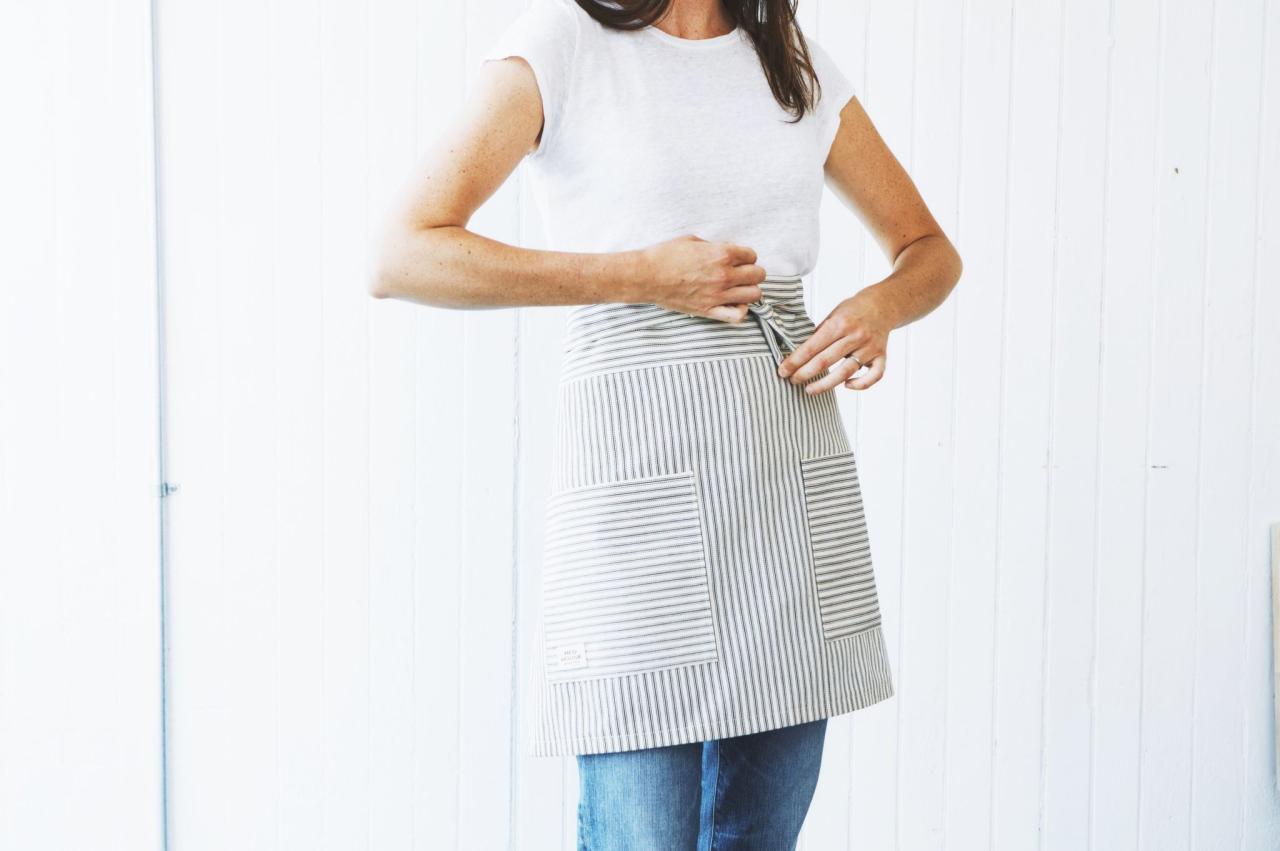
Upcycling a dress shirt into an apron can be a rewarding experience, but like any sewing project, it’s important to be prepared for potential issues. Knowing how to troubleshoot problems and address common mistakes will ensure a successful outcome and prevent frustration. This section will provide guidance on identifying and resolving various challenges that may arise during the upcycling process.Addressing potential problems proactively and understanding common sewing errors can significantly improve the quality and longevity of your finished apron.
By anticipating potential issues and learning how to correct them, you can avoid costly mistakes and ensure a satisfying upcycling project.
Potential Fabric Issues
Understanding the characteristics of the dress shirt fabric is crucial for preventing problems. Different fabrics react differently to heat, moisture, and tension during sewing. Natural fibers like cotton and linen can shrink or stretch if not handled carefully. Synthetics, such as polyester blends, are generally more stable but may require different sewing techniques. Consider the fabric’s composition and its potential for shrinkage or stretching before beginning the upcycling process.
Always pre-wash the fabric to minimize shrinkage and assess the fabric’s overall responsiveness.
Sewing Mistakes and Solutions
Sewing mistakes are inevitable in any sewing project. Identifying and addressing these issues promptly is essential for achieving a professional-looking finish. Incorrect stitch lengths, skipped stitches, or uneven seams can detract from the overall appearance.
- Incorrect Stitch Length: Using a stitch length that is too long can lead to loose stitches, while a stitch length that is too short can cause the fabric to pucker or break. Adjusting the stitch length on your sewing machine to match the fabric’s weight and the desired finish is crucial. Refer to your sewing machine’s manual for guidance on appropriate stitch settings.
- Skipped Stitches: Skipped stitches can occur due to various factors, including loose tension, incorrect needle type, or fabric bunching. Ensure the needle is properly inserted and aligned, and adjust the stitch tension if necessary. Use a sharp needle and feed dog to prevent skipping and ensure the fabric feeds smoothly.
- Uneven Seams: Uneven seams often result from inconsistent pressure on the fabric while sewing. Maintaining consistent pressure and ensuring the fabric layers are aligned before stitching will create a smooth and even seam. If possible, use a walking foot on your sewing machine to minimize puckering.
Fabric Shrinkage and Stretching
Fabric shrinkage or stretching can significantly impact the fit and appearance of your apron. Pre-washing and appropriate ironing techniques can minimize these issues. For example, pre-washing the dress shirt before cutting can help prevent shrinkage after sewing. Ensure the fabric is completely dry before cutting to avoid further shrinkage during the cutting process.
- Pre-washing: Pre-washing the dress shirt fabric is an essential step to reduce shrinkage. Follow the fabric care instructions on the care label or use a test area to assess shrinkage.
- Ironing: Ironing the fabric before cutting helps to reduce the likelihood of stretching during the sewing process. Use a pressing cloth to protect the fabric from the iron and prevent wrinkles.
- Stretching: Some fabrics, especially stretch fabrics, may stretch more easily. Be mindful of the fabric’s properties when cutting and sewing, and consider using stretch-specific techniques for a more accurate fit.
Avoiding Fabric Damage
Proper handling of fabrics can prevent damage during the upcycling process. Sharp scissors and a precise cutting technique can reduce the risk of fraying or tearing. Avoid pulling or stretching the fabric unnecessarily, especially during the cutting and sewing phases.
- Sharp Scissors: Using sharp scissors minimizes the risk of tearing the fabric. Dull scissors can cause fraying and uneven cuts.
- Precise Cutting: Cutting along the grain of the fabric helps maintain the fabric’s integrity. Avoid cutting too quickly or forcefully.
- Gentle Handling: Handle the fabric gently throughout the upcycling process to prevent stretching or tearing. Use pressing techniques to keep the fabric smooth and even.
Handling Different Fabrics
Different fabrics require specific care during upcycling. Cotton, linen, and blends of synthetics will react differently to heat, tension, and moisture. Understanding the fabric’s properties is key to achieving a successful project. For example, linen requires more care to avoid stretching and requires specific pressing techniques to maintain its structure.
Troubleshooting Table
| Problem | Possible Cause | Solution |
|---|---|---|
| Uneven seams | Inconsistent pressure, fabric shifting | Maintain consistent pressure, use a walking foot, align fabric layers accurately |
| Skipped stitches | Loose tension, incorrect needle, fabric bunching | Adjust stitch tension, use a sharp needle, avoid fabric bunching |
| Fabric shrinkage | Improper pre-washing, improper drying | Pre-wash the fabric, dry it thoroughly before cutting |
| Fabric stretching | Excessive pulling, incorrect ironing | Handle fabric gently, use pressing cloth and appropriate techniques |
Inspiration and Design Ideas
Transforming a simple dress shirt into a unique and functional apron offers a wealth of design possibilities. This section explores diverse themes, personal touches, and adaptations for various body types and uses. From classic vintage styles to modern, contemporary looks, the options are truly endless.
Unlocking your creativity is key to crafting an apron that truly reflects your personality and style. Consider the specific uses you envision for your apron, whether it’s the vibrant energy of a culinary creation or the focused calm of a garden harvest. By thoughtfully considering these elements, you can craft an apron that is both beautiful and practical.
Gallery of Upcycled Dress Shirt Apron Designs
Visual inspiration is crucial in the design process. Below are examples of upcycled dress shirt aprons, showcasing a range of styles and aesthetics. Imagine the possibilities of incorporating elements of these designs into your own unique creation.
Example 1: A vintage-inspired apron with a patchwork design created from various dress shirts, featuring contrasting colors and textures. The apron’s front panel showcases a charming floral pattern, complemented by subtle embroidery.
Example 2: A contemporary apron crafted from a sleek, dark-colored dress shirt. The apron’s simple, clean lines are accented by a bold, contrasting ribbon tied in a knot at the front.
Example 3: A rustic-style apron with a relaxed fit, using a light-colored dress shirt and adding natural elements like burlap or twine. A decorative button closure and a large pocket are added for extra practicality.
Themes for Apron Designs
Different themes can guide your design choices. Consider the overall aesthetic you want to achieve.
- Vintage: Incorporate elements like lace, embroidery, or decorative buttons to evoke a timeless charm. Use a combination of different patterned dress shirts to create a patchwork effect, or consider using a single shirt with a floral or paisley print.
- Modern: Focus on clean lines, minimalist patterns, and subtle details. Utilize solid-colored dress shirts and incorporate contemporary hardware, such as sleek buckles or metallic eyelets.
- Rustic: Embrace natural materials like burlap, twine, or wooden buttons. Consider using a light-colored dress shirt or a shirt with a subtle, natural pattern to create a warm, earthy look. Add a frayed or raw-edged trim for a touch of rustic charm.
Incorporating Personal Touches
Adding personal touches can elevate your upcycled apron to a truly unique piece. Consider the following:
- Embroidery: Embroider initials, names, or special dates onto the apron. This is a beautiful and personal touch that adds character.
- Patches: Add patches with meaningful imagery, quotes, or designs to create a personalized statement.
- Unique Closure: Instead of standard ties, use a unique belt, fabric scraps, or decorative closures to add a distinct style.
Adapting Designs to Different Body Types
Ensure your apron design accommodates various body types. Consider the following:
- Adjusting the length and width: Adjust the apron’s length and width to ensure a comfortable and flattering fit for different body types. This may require altering the original dress shirt’s dimensions.
- Adjusting the tie placement: Consider the placement of ties or closures to ensure a balanced and flattering fit, preventing the apron from shifting or bunching up.
- Providing different tie options: Offer various tie options to cater to different preferences, such as longer ties for a looser fit or shorter ties for a more snug fit. This allows for customization and comfort.
Uses for Upcycled Aprons
Beyond the kitchen, upcycled aprons can be utilized for various tasks. Consider these possibilities:
- Gardening: Protect your clothes from dirt and debris while tending to your garden.
- Crafting: Provide a clean workspace for projects, preventing fabric scraps and other materials from getting mixed with your clothes.
- Art projects: Protect your clothes from paint or other art supplies during creative pursuits.
Table of Apron Design Inspirations
| Style | Era | Dress Shirt Feature | Apron Feature |
|---|---|---|---|
| Vintage | 1940s | Floral print, pastel colors | Lace trim, decorative buttons, long ties |
| Modern | Present | Solid colors, bold patterns | Clean lines, unique closures, adjustable straps |
| Rustic | 1970s | Plaid or gingham, natural tones | Burlap accents, wooden buttons, frayed edges |
Final Review
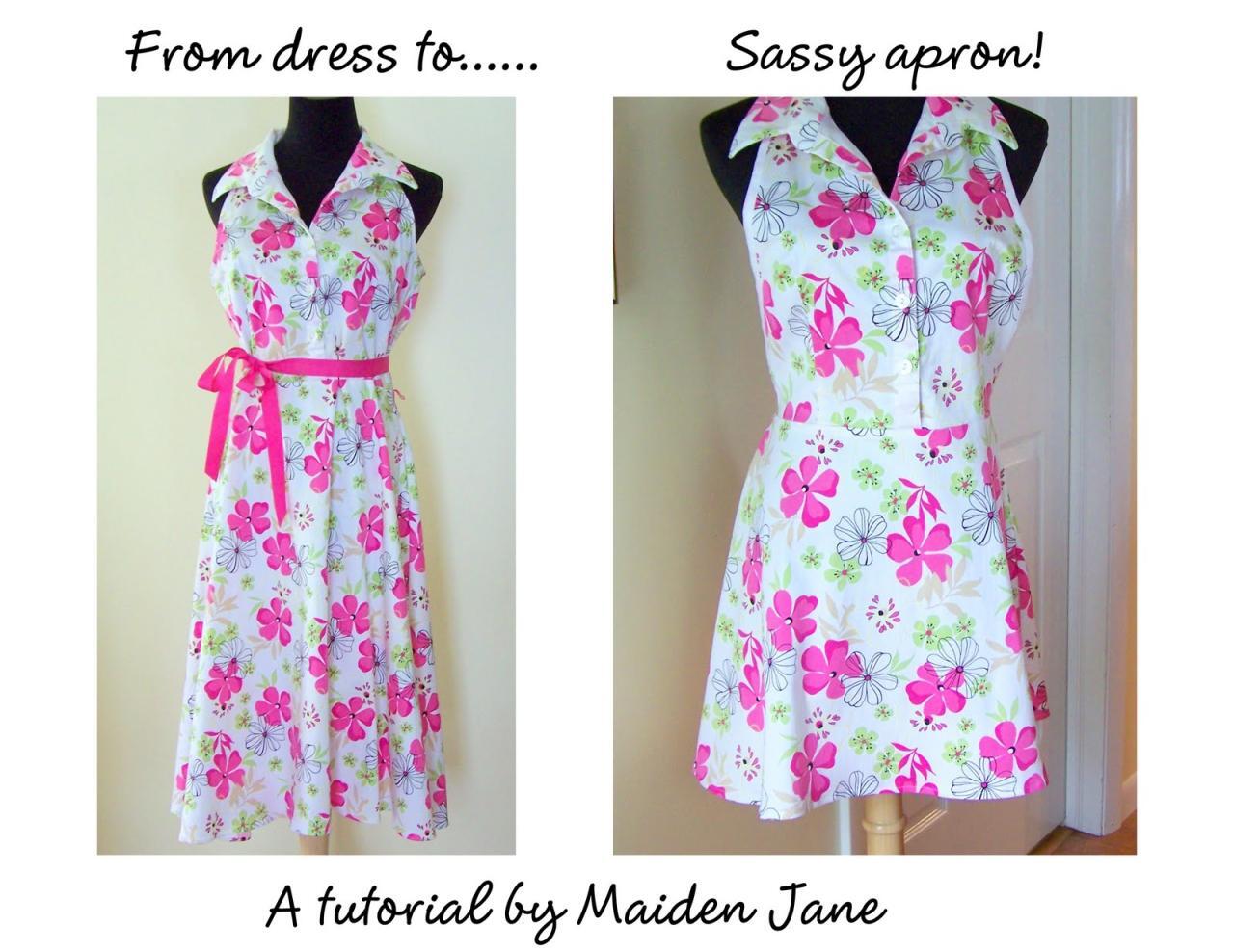
In conclusion, upcycling a dress shirt into an apron is a journey of transformation, combining practicality with creativity. This comprehensive guide provides a roadmap for every step of the process, from choosing the right materials to finishing the final touches. By following the detailed instructions and tips provided, you can create a unique and personalized apron that will serve you well in the kitchen, garden, or any other activity that requires a practical and stylish accessory.
We hope this guide inspires you to embrace upcycling and create beautiful and sustainable pieces.