Transforming a vintage suitcase into a stylish side table is a rewarding and creative endeavor. This project combines the charm of history with the practicality of modern furniture, offering a unique and personalized touch to any living space. The process is surprisingly accessible, allowing even beginners to achieve impressive results.
From carefully selecting the perfect suitcase to expertly assembling the final piece, this guide provides a detailed roadmap for every stage of the upcycling journey. We will explore various design options, highlighting techniques for enhancing the suitcase’s structural integrity and achieving a flawless finish. Practical tips and troubleshooting advice are also included to ensure a smooth and successful outcome.
Introduction
Transforming a vintage suitcase into a stylish and functional side table is a rewarding and creative endeavor. Imagine the unique character and history embodied in a piece of furniture that once held treasures, now displaying your own carefully curated collection. This craft offers a compelling blend of environmental responsibility and artistic expression, allowing you to repurpose a beloved relic into a personalized statement piece.This project provides a practical and affordable way to enhance your home decor.
Upcycling vintage suitcases avoids the environmental impact of mass-produced furniture while creating a one-of-a-kind piece that reflects your personal style. The process is surprisingly straightforward, requiring only a few tools and a touch of creativity. You can breathe new life into a cherished piece of the past, creating a conversation starter and a beautiful addition to your living space.
Suitcase Selection
Choosing the right vintage suitcase is crucial to the success of your project. Consider the size and shape you desire for your side table. Look for suitcases with strong, sturdy construction. The material, such as leather, metal, or wood, will influence the overall aesthetic and the required restoration methods. A well-preserved suitcase with minimal damage will be easier to work with, resulting in a more polished finished product.
Examine the suitcase’s condition closely, looking for signs of wear, rust, or damage that may require extra attention during the restoration process. A good choice will save you time and effort in the long run.
Restoration and Preparation
Thorough preparation is essential for a successful upcycling project. This step involves cleaning and restoring the suitcase to its best possible condition. Start by thoroughly cleaning the suitcase with appropriate cleaning agents and techniques, ensuring all dirt, grime, and any accumulated residue are removed. Assess any repairs needed; this may involve patching holes, fixing loose hinges, or replacing damaged components.
This step sets the stage for a smooth and satisfying transformation. Careful attention to detail at this stage will pay dividends in the end. For example, a leather suitcase might require conditioning and polishing to maintain its aesthetic appeal, while a metal suitcase might need rust removal and repainting.
Design Considerations
The design of your side table will depend on the chosen suitcase and your personal preferences. Consider the overall style you want to achieve. Do you envision a rustic, modern, or vintage aesthetic? Measure the suitcase’s dimensions to determine the ideal height and width for your space. The design should also take into account the functionality of the piece.
Will you need drawers, shelves, or other storage features? How will the suitcase’s original features, such as handles or locks, be integrated into the new design? These considerations will contribute to the final look and the overall functionality of your upcycled side table. For instance, keeping the original suitcase handles can add character, or you could incorporate a decorative tray to hold items on top.
Finishing Touches
The final step involves applying the finishing touches to your upcycled side table. Choose a finish that complements the suitcase’s original material and style. For leather suitcases, a protective coating or polish can enhance the appearance and longevity of the piece. For metal suitcases, a fresh coat of paint or a metallic finish can create a striking visual effect.
A final inspection of all areas, including the edges and corners, ensures a smooth, professional-looking product. This is a chance to personalize your creation by adding details that reflect your taste, like a unique hardware accent or a decorative inlay. The final touches complete the transformation and make your upcycled side table a true reflection of your creativity and style.
Suitcase Selection and Assessment
Choosing the right vintage suitcase is crucial for a successful upcycling project. A well-selected suitcase, considering its size, shape, material, and condition, will greatly influence the final outcome and the ease of the conversion process. Careful assessment of the suitcase’s structural integrity is paramount to avoid costly mistakes or unexpected issues later on.
Types of Suitcases Suitable for Upcycling
Vintage suitcases, ranging from steamer trunks to smaller travel bags, offer diverse possibilities for transforming into stylish side tables. The most suitable candidates often possess sturdy construction and interesting design elements. Specific examples include vintage leather suitcases, those made from sturdy metal or wood, or even unique examples featuring intricate hardware. The material and design characteristics of the chosen suitcase will influence the overall aesthetic and potential modifications required.
Key Characteristics for Suitcase Selection
Several crucial characteristics need consideration when selecting a vintage suitcase for upcycling. Size, for instance, directly impacts the final dimensions of the side table, influencing the overall functionality and aesthetic appeal. Similarly, the shape significantly impacts the table’s design and layout possibilities. The material of the suitcase will dictate the potential surface treatments and the level of restoration needed.
The condition of the suitcase will determine the complexity and duration of the upcycling process.
Assessing Structural Integrity
Evaluating the structural integrity of the suitcase is paramount. This involves inspecting the hinges, latches, handles, and the overall frame of the suitcase. Damage to these components can compromise the table’s stability and longevity. A suitcase with significant damage to the frame, for example, will require extensive repairs or modifications to ensure structural integrity. This aspect is crucial for the safety and stability of the final product.
Inspection Method for Potential Repairs
A systematic inspection method is essential for identifying potential repairs. Carefully examine the seams and joints for signs of wear, cracking, or separation. Inspect the hinges for rust or looseness. Check the latches and locks for functionality and potential damage. Evaluate the condition of the suitcase’s exterior, including dents, scratches, or other imperfections.
A detailed photographic record of the suitcase’s condition can be extremely useful during the repair process. This detailed documentation can also help track the progress of the project. Detailed notes on specific areas of concern are essential.
Tools and Materials
Transforming a vintage suitcase into a stylish side table requires careful planning and the right tools and materials. A well-chosen selection ensures a smooth process and a beautiful final product. Thorough preparation is key to achieving a professional-looking result.
Essential Tools
Proper tools are crucial for the successful upcycling of a suitcase. Having the right equipment minimizes the risk of damage to the suitcase and allows for precision in the restoration and assembly. The following tools are generally necessary.
- Sandpaper (various grits): Different grits of sandpaper are essential for smoothing surfaces and preparing the suitcase for painting or staining. Fine grits are ideal for achieving a smooth finish, while coarser grits are necessary for removing rust or imperfections.
- Screwdrivers (Phillips and flathead): These are vital for disassembling and reassembling the suitcase, ensuring that hardware is correctly installed.
- Measuring tape and pencil: These tools are essential for accurately measuring dimensions and marking areas for cuts or modifications.
- Clamps: Clamps are useful for holding pieces securely during assembly or repairs.
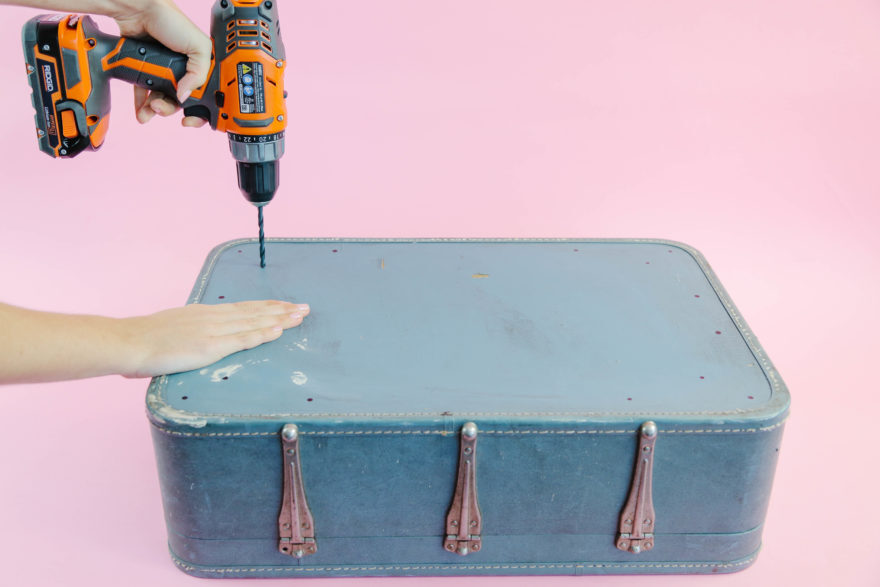
- Drill and drill bits: A drill is useful for installing new hardware or creating holes for mounting.
- Safety Glasses and Gloves: These are crucial for personal safety when handling potentially hazardous materials or tools.
- Utility knife: This is useful for cutting fabric or making precise cuts.
- Caulk gun and caulk: For filling gaps and ensuring a watertight seal.
Materials
Choosing the right materials for the project is crucial for achieving the desired aesthetic and ensuring durability.
- Wood: Wood is needed for the base or any structural additions to the suitcase. Solid wood or plywood can be used, depending on the desired thickness and strength.
- Paint: A suitable paint finish is important for protecting the suitcase and creating a unified aesthetic.
- Hardware: This includes hinges, handles, knobs, or other components needed for the functioning of the side table.
- Fabric: Fabric can be used for upholstery or lining, adding warmth and aesthetic appeal to the interior.
Paint Types and Finishes
Different paint types offer varying levels of protection and aesthetic appeal.
- Acrylic paints: Acrylic paints are a popular choice for their ease of use and vibrant colors. They dry quickly and are generally suitable for most surfaces.
- Oil-based paints: Oil-based paints provide a durable finish but have a longer drying time and a strong odor. They are a great option for high-traffic areas.
- Spray paints: Spray paints are useful for quickly covering large surfaces and creating a uniform finish. Different spray paints are available for various finishes, such as matte, gloss, or metallic.
- Stain: Wood stain can be used to enhance the natural beauty of the wood while protecting it from the elements. Different stains can offer a variety of colors and tones.
- Clear coat: A clear coat protects the paint finish and adds a glossy or matte finish, depending on the desired effect.
Tools and Materials Breakdown
The following table provides a comprehensive overview of the tools and materials, including their descriptions and intended use in the upcycling process.
Preparation and Dismantling
Transforming a vintage suitcase into a stylish side table requires careful preparation and dismantling. This meticulous process ensures the structural integrity of the suitcase while allowing for creative design modifications. Understanding the steps involved in this phase is crucial for a successful and safe upcycling project.Thorough preparation and dismantling are vital for preserving the suitcase’s original charm while preparing it for its new purpose.
Proper dismantling minimizes the risk of damage and allows for a more efficient and effective transformation. Careful removal of unnecessary components ensures the final product is both functional and aesthetically pleasing.
Preparing the Suitcase
Careful preparation is essential for a successful dismantling process. This involves assessing the suitcase’s overall condition and identifying any potential issues. This may include noting loose hinges, damaged latches, or broken handles. This allows for informed decisions during the dismantling phase. Proper preparation will reduce the risk of unexpected problems.
Dismantling Procedure
The dismantling process should be executed systematically to avoid accidental damage. A systematic approach ensures that all parts are removed safely and efficiently. Following these steps will allow you to achieve a successful transformation.
- Protective Measures: Cover the work area with a protective sheet or drop cloth. This prevents scratches and marks on your work surface, especially when dealing with metal components or sharp edges. Use gloves to protect your hands from potential hazards. This protective measure minimizes the risk of damage to both the work area and personal belongings.
- Initial Inspection: Carefully inspect the suitcase to identify any loose screws, bolts, or damaged components. Note their locations for easier reassembly later. This step ensures that you are aware of any potential problems.
- Removing Hardware: Start by carefully removing all hardware, including latches, locks, handles, and hinges. Use appropriate tools such as screwdrivers, pliers, or a specialized hinge removal tool. Take detailed notes on the positions of each piece for proper reassembly. This meticulous step ensures the integrity of the components and avoids loss or misplacement.
- Removing Interior Linings: Carefully remove any internal linings, padding, or dividers. Be mindful of any hidden screws or fasteners. This step will expose the structural elements of the suitcase.
- Separating Components: Once the hardware is removed, gently separate the different sections of the suitcase. This could involve carefully disconnecting or unfastening the various parts of the suitcase’s frame. This step helps in understanding the structure of the suitcase and planning for modifications.
- Cleaning: Clean the disassembled components using a damp cloth or appropriate cleaning solutions. Remove any dirt, dust, or debris. This step ensures a clean surface for any modifications.
Removing Unnecessary Components
Removing unnecessary components is crucial for streamlining the transformation process and optimizing the final design. Removing superfluous components lightens the structure and potentially reveals hidden beauty.
- Obsolete Hardware: Discard any broken or damaged hardware. Replace any hardware that doesn’t fit your design vision. This step simplifies the transformation and avoids potential issues during the reassembly phase.
- Redundant Linings: Remove any unnecessary linings or dividers. This reduces the weight of the suitcase and creates a more streamlined design. This step allows for a more open and uncluttered interior.
- Unused Sections: Assess if any suitcase sections are unnecessary for your desired design. Remove any sections that do not contribute to the functionality or aesthetic of the new side table. This process maximizes space and material efficiency.
Design and Modification
Transforming a vintage suitcase into a stylish side table involves careful consideration of design elements and personal preferences. This stage allows for creativity and the embodiment of unique style through choices in materials, colors, and embellishments. Understanding different design aesthetics, from modern minimalism to rustic charm, will help you select the perfect approach for your desired outcome.A well-executed design phase will ensure the upcycled piece harmonizes seamlessly with the existing decor, adding a touch of personality and visual interest to the room.
The key is to find a balance between respecting the suitcase’s history and creating a contemporary piece that meets your needs.
Design Ideas for Transforming the Suitcase
Various design ideas can be explored to transform the vintage suitcase into a functional and attractive side table. Consider repurposing the suitcase’s existing structure and hardware or completely modifying it to create a new form. Exploring different surface treatments, from paint and stain to decoupage and fabric wrapping, adds another layer of creativity.
- Modern Minimalism: This approach focuses on clean lines, simple shapes, and neutral color palettes. The suitcase’s original form can be preserved, emphasizing its vintage charm. For instance, a dark gray or charcoal-toned paint job paired with brass or nickel hardware creates a sleek and modern look. Consider using a glass top for a minimalist touch and a sense of openness.
- Rustic Charm: This style incorporates warm tones, natural textures, and rustic details. The suitcase can be distressed to highlight its age, using sanding and wood stain to emphasize the wood’s natural grain. Adding a distressed finish with paint or varnish will create a worn and aged appearance. Consider using reclaimed wood or aged metal accents to further enhance the rustic theme.
Adding a woven or leather-like top would further accentuate the rustic style.
- Vintage Revival: This approach embraces the suitcase’s original character. The focus is on maintaining the suitcase’s vintage aesthetic. If the original hardware is intact, it should be preserved and highlighted. For instance, use a clear coat or wax finish to maintain the suitcase’s original patina. Consider using fabric or leather in a vintage pattern for the top surface.
Comparing Design Aesthetics
Different design aesthetics offer unique visual experiences and functional considerations. Understanding these differences will aid in selecting the best approach for the upcycling project.
| Aesthetic | Characteristics | Suitcase Transformation Considerations |
|---|---|---|
| Modern | Clean lines, simple shapes, neutral colors, and often sleek hardware. | Preserve the suitcase’s structure while modernizing the overall look. Consider using minimal or geometric patterns and neutral colors. |
| Rustic | Warm tones, natural textures, distressed finishes, and often visible wood grain. | Emphasize the suitcase’s age and character through distressing techniques. Use natural materials like wood or leather for the top and accents. |
| Vintage | Emphasizes the suitcase’s history, often showcasing original hardware and patina. | Preserve the suitcase’s original features. Highlight the vintage character through clear finishes and minimal alterations. |
Incorporating Personal Style
Personal style is a key element in creating a unique and meaningful upcycled side table. Consider your personal preferences and the overall design scheme of the room where the table will be placed. Using favorite colors, patterns, or textures allows for a customized expression.
- Color Palette: Select colors that complement your existing decor. Consider using accent colors to add a pop of personality. Matching the colors of the suitcase to the room’s existing furniture can create a cohesive look.
- Embellishments: Incorporate decorative elements that reflect your interests. These could include painted patterns, decoupage elements, or carefully selected hardware. Consider using vintage or antique knobs, drawer pulls, or other decorative hardware to add a touch of personality.
- Materials: Choosing materials that match your design style can add another layer of visual appeal. For example, a leather top or a fabric covering will convey a different message than a wood or metal top.
Design Sketches for Inspiration
The following sketches illustrate different design approaches for transforming a vintage suitcase into a side table. They provide a visual guide to aid in brainstorming and concept development.
“Visualizing the end product through sketches is crucial to planning the transformation effectively.”
[Descriptive text describing several sketches, each with a brief explanation of its style and key features. This section should describe the sketches in detail, e.g., “Sketch 1 depicts a modern minimalist design with a clean-lined frame and a glass top.” Include details such as the color palette, materials used, and any embellishments.]
Construction Steps
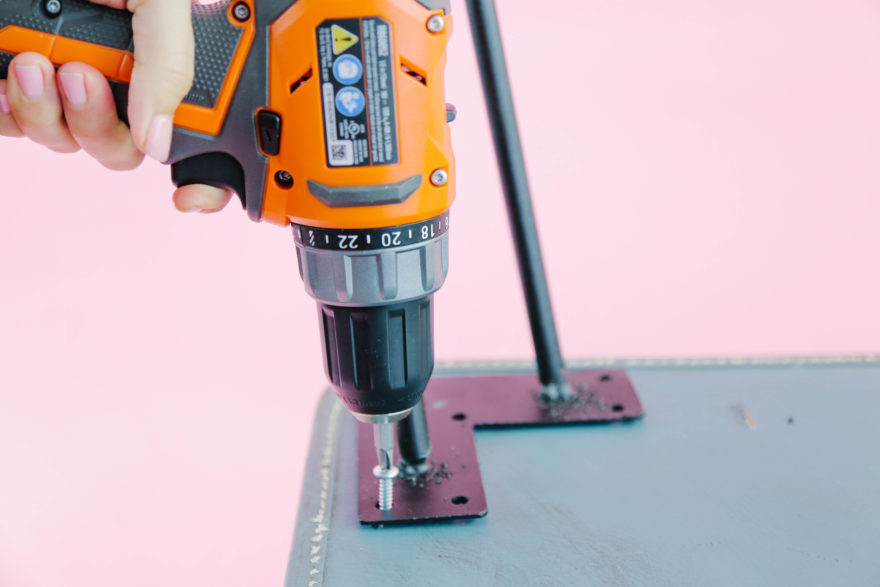
Transforming a vintage suitcase into a stylish side table requires meticulous construction. This section details the step-by-step process, focusing on secure attachment and structural reinforcement. Understanding these methods will ensure your upcycled piece is both beautiful and durable.Careful planning and execution are key to achieving a sturdy and aesthetically pleasing side table. Each step, from preparing the suitcase to finalizing the table’s structure, contributes to the overall quality and longevity of the finished product.
Assembling the New Structure
Careful preparation of the new structure is crucial for a successful outcome. Consider the desired height, width, and depth of the table. Sketch out the design to visualize the overall look and functionality. Accurate measurements are essential to ensure a proper fit with the suitcase’s dimensions. Materials like plywood, wood, or metal can be used, depending on the aesthetic and desired durability.
Pre-cut components facilitate assembly and minimize potential errors.
Attaching the Structure to the Suitcase
Several methods can be employed to securely attach the new structure to the suitcase. Using wood glue, screws, or bolts, depending on the material of the new structure and the suitcase, offers different levels of strength and aesthetic appeal. For example, screws are a practical choice for joining wood to wood or metal to wood, while wood glue provides a strong, permanent bond for similar materials.
Consider using a combination of methods to maximize structural integrity.
Strengthening the Suitcase’s Structure
The vintage suitcase may require reinforcement to accommodate the new structure’s weight. Strengthening the base and sides of the suitcase will prevent warping or deformation under stress. Reinforcement methods include adding bracing or using reinforcing strips made from wood or metal. This step is critical to ensuring the table’s long-term stability. For instance, adding a metal brace along the suitcase’s underside will reinforce the base.
Detailed Construction Steps
- Preparing the New Structure: Carefully measure and cut the chosen materials for the new structure, ensuring accuracy for a precise fit. Use appropriate tools for accurate cutting, like saws or jigsaws. Pre-drill holes where necessary to aid in securing the components.
- Attaching the Structure: Select the appropriate fasteners based on the materials used. Use screws for wood-to-wood connections or wood glue for enhanced strength. Ensure secure fastening by using appropriate torque levels to prevent loosening.
- Strengthening the Suitcase: Identify potential weak points in the suitcase’s structure. Add wooden supports or metal braces to strengthen the base and sides, especially in areas that will bear the most weight. Apply wood glue for added reinforcement.
- Finishing Touches: Apply a protective sealant or paint to the new structure and the suitcase to protect it from moisture and damage. Sand any rough edges to create a smooth, polished finish. This step ensures durability and enhances the table’s aesthetic appeal.
Visual Guide to Construction
A detailed visual guide would include photographs or illustrations depicting each step in the construction process. These visual aids would show the placement of fasteners, the application of reinforcement materials, and the final assembly of the table. Clear annotations on each image would help guide the process and prevent errors.
Finishing Touches and Refinishing
Transforming a vintage suitcase into a stylish side table involves more than just assembly; the finishing touches are crucial for achieving a polished and lasting result. Careful attention to refinishing and customization will enhance the table’s aesthetic appeal and protect its structural integrity. This section details methods for achieving a professional and durable finish, from selecting appropriate paint finishes to ensuring a smooth, even application.
Refinishing Methods
Proper refinishing extends the lifespan of the side table and ensures its beauty. Several methods exist, each offering unique advantages. Choosing the right method depends on the desired aesthetic and the existing condition of the suitcase. Sanding, priming, and painting are common steps involved in many refinishing processes.
Applying Paint Finishes
Various paint finishes offer different levels of protection and aesthetic appeal. Selecting the right finish is essential for achieving a professional look. Varnishes, lacquers, and polyurethane are popular choices, each providing a distinct characteristic.
- Varnish: Varnish provides a protective layer that enhances the wood’s natural beauty. It creates a hard, glossy finish that resists scratches and water damage. Different types of varnish exist, offering varying levels of gloss and durability. For example, a high-gloss varnish will create a vibrant shine, while a satin varnish will offer a more subdued, less reflective finish.
- Lacquer: Lacquer is a fast-drying finish known for its smooth, hard surface. It’s ideal for a high-gloss finish and offers excellent protection against wear and tear. A key consideration is its quick drying time, which allows for faster project completion.
- Polyurethane: Polyurethane offers exceptional durability and protection, making it a suitable choice for high-traffic areas. It’s a versatile option, offering a variety of sheens, from matte to high-gloss. The significant advantage of polyurethane is its remarkable resistance to chipping and cracking.
Achieving a Smooth and Professional Finish
A smooth, professional finish is crucial for the overall aesthetic appeal of the side table. Thorough preparation, meticulous application, and proper drying times are essential. Using the right tools, such as high-quality brushes and rollers, can significantly improve the outcome.
Tips for a Professional Finish
- Preparation is Key: Thoroughly sanding the surface before applying any finish ensures a smooth and even application. Remove any imperfections or uneven textures for optimal results. Multiple sanding steps, with progressively finer grits, are often necessary to achieve the desired smoothness.
- Thin Coats are Best: Applying thin, even coats of paint or varnish avoids drips and ensures proper coverage. Allow each coat to dry completely before applying the next. This practice ensures a uniform and lasting finish.
- Proper Drying Times: Adhering to the manufacturer’s recommended drying times is crucial for a durable finish. Insufficient drying can lead to cracking or peeling, while excessive drying can affect the finish’s adherence.
- Use Quality Tools: Using high-quality brushes, rollers, and sandpaper will significantly improve the quality of the finish. Ensure the tools are clean and free of debris to prevent imperfections in the application.
Finish Options Table
| Finish | Effect | Application |
|---|---|---|
| Varnish (High Gloss) | Vibrant, reflective shine | Ideal for highlighting wood grain; requires careful application to avoid drips. |
| Lacquer (High Gloss) | Smooth, hard surface with excellent protection | Fast drying; suitable for high-traffic areas; may require multiple thin coats. |
| Polyurethane (Satin) | Subdued, less reflective shine with excellent durability | Versatile finish for various surfaces; excellent resistance to wear and tear. |
| Paint (Matte) | Flat, non-reflective surface | Suitable for creating a modern or understated look; requires meticulous application. |
Final Assembly and Presentation
Bringing your vintage suitcase transformation to fruition involves careful assembly and a thoughtful presentation to showcase its unique character. This section details the steps for completing the side table, along with ideas for integrating it seamlessly into your living space.The final assembly process, while straightforward, requires precision to ensure the structural integrity and aesthetic appeal of your upcycled side table.
Thoroughness in this stage is key to achieving a finished product you’ll be proud to display.
Final Assembly Steps
The assembly process involves securing the various components of the suitcase. First, carefully attach the bottom base to the main body. Ensure all screws and fasteners are correctly aligned and tightened to prevent any wobble or instability. Next, if applicable, attach any additional supports, such as shelves or drawers, according to the design plan. Pay close attention to the instructions provided with the materials, or consult any accompanying diagrams.
Double-check all connections before proceeding to the finishing touches.
Showcasing the Upcycled Side Table
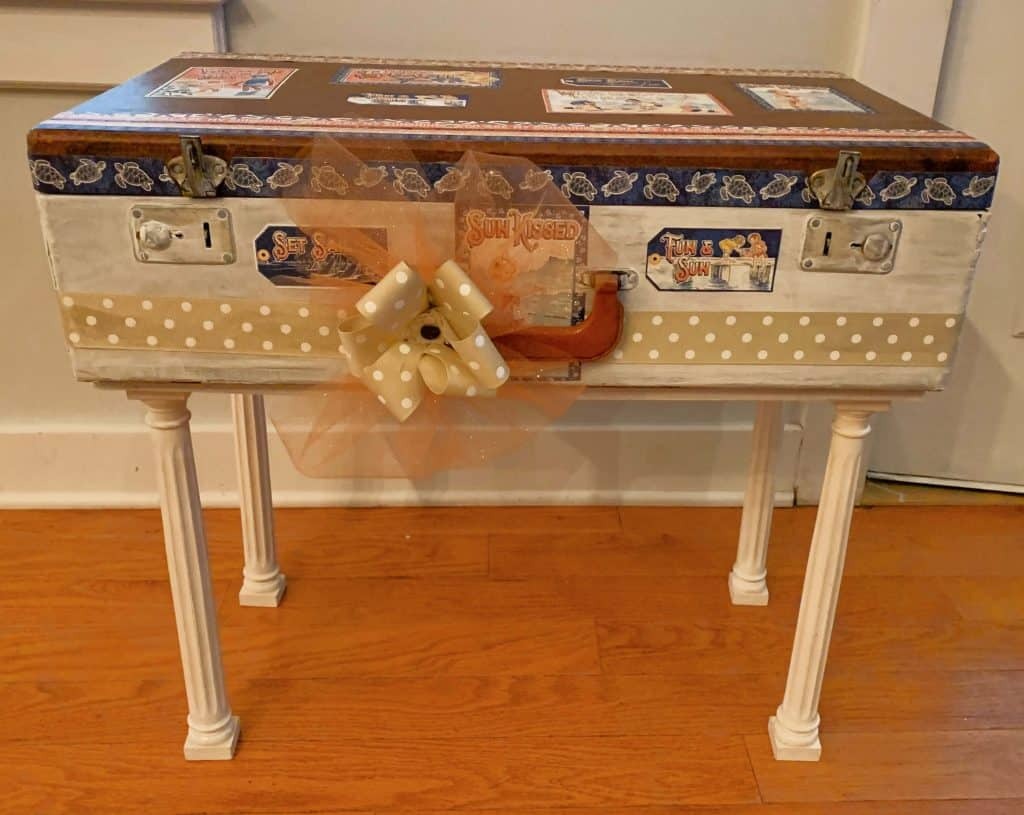
Presentation is crucial to highlighting the unique charm of your upcycled side table. Consider the overall aesthetic of your living space. A vintage-inspired space will beautifully complement a suitcase side table with its antique appeal. Alternatively, a modern interior can embrace the upcycled piece by pairing it with contemporary accessories.
Arranging the Side Table with Other Furniture
The side table’s placement is essential for its functional integration within the room. Position it strategically near a seating area, like a sofa or armchair, to provide convenient access to drinks or other items. A smaller table can effectively act as a central point in a living room or a side table for a bedroom. For a bedroom, a side table can be placed next to a bed or dressing area.
Presentation Ideas
- Entryway Accent: A suitcase side table can serve as a unique statement piece in an entryway, holding keys, mail, and decorative items. Its vintage aesthetic can complement a variety of entryway decor styles. Imagine a distressed suitcase placed near the front door, displaying a small potted plant and a stylish lamp.
- Living Room Focal Point: Position the table as a focal point in a living room, perhaps placed beside a sofa or armchair. Arrange books, decorative objects, or plants on top to enhance the room’s ambiance. A stylish vase of flowers and a stack of intriguing books could be arranged atop the table to create a welcoming atmosphere.
- Bedroom Companion: In a bedroom, the table can act as a nightstand, holding a lamp, a book, and a glass of water. This placement ensures convenient access to essentials while adding a touch of unique style to the space.
- Office or Study Nook: A well-designed suitcase side table can also be a practical addition to an office or study nook, providing a place for important documents, pens, or decorative elements. A modern, sleek office can benefit from a vintage-inspired table, adding a touch of character and sophistication.
Troubleshooting and Maintenance
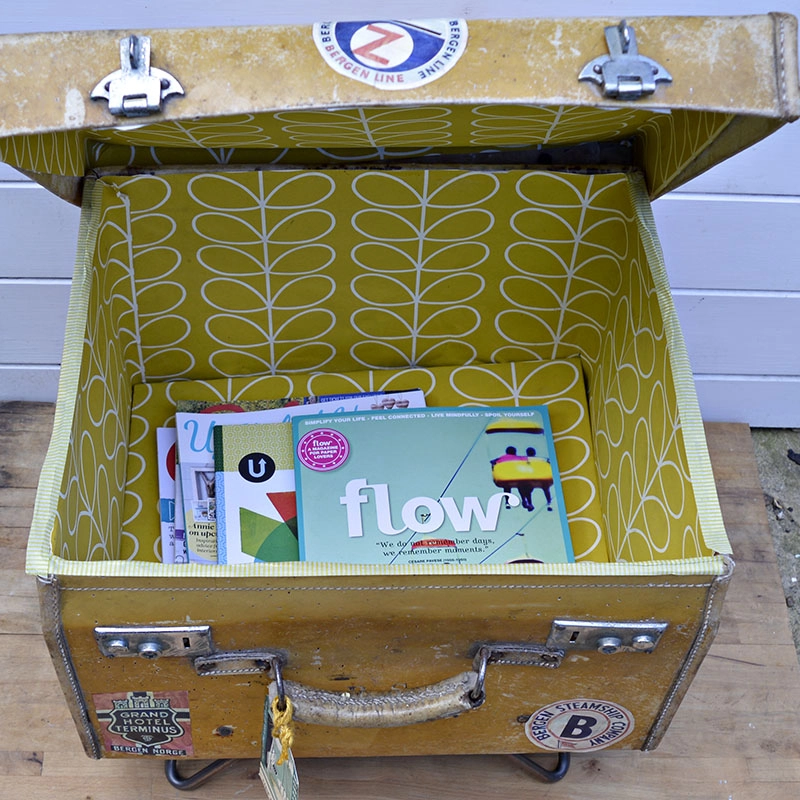
Transforming a vintage suitcase into a stylish side table requires careful attention to detail throughout the process. Addressing potential issues promptly and implementing proper maintenance strategies will ensure your upcycled piece remains a beautiful and functional addition to your home for years to come.
Common Problems and Solutions
Several issues might arise during the suitcase upcycling project. Understanding these common problems and their solutions will equip you with the necessary tools to overcome challenges effectively.
- Loose or Broken Hardware: During dismantling, some metal hardware components might loosen or break. Repairs can be achieved by carefully tightening screws, replacing broken hinges, or using appropriate rivets and screws for reinforcement. Consider using a stronger adhesive for securing hardware to prevent future loosening.
- Uneven Surfaces: Vintage suitcases may exhibit uneven surfaces from age or prior use. Applying wood filler or a specialized patching compound to these areas can effectively level the surface, ensuring a smooth and uniform finish. Sanding the area afterward is crucial for a polished look.
- Warping or Damage to the Suitcase Body: Exposure to moisture or mishandling during the upcycling process can lead to warping or damage to the suitcase body. Using appropriate bracing or supports, carefully reinforcing the affected area with wood or metal reinforcements will minimize future warping. Repairing any tears or punctures will involve careful patching with suitable materials.
- Rust or Corrosion: Exposure to moisture can lead to rust on metal components. Thoroughly cleaning and sanding the affected areas will remove the rust. Painting the metal with a suitable primer and topcoat will prevent further corrosion.
Maintenance Tips for Your Upcycled Side Table
Proper care is essential for preserving the beauty and longevity of your upcycled side table. Regular maintenance will minimize wear and tear.
- Dusting and Cleaning: Regular dusting will prevent accumulation of dust and dirt. For more stubborn stains or spills, use a damp cloth or a mild cleaning solution. Avoid harsh chemicals or abrasive cleaners that could damage the finish.
- Protecting from Moisture: Moisture is a significant factor in damaging wooden surfaces. Avoid placing the side table in locations prone to excessive moisture or direct sunlight, which can lead to warping and discoloration. A protective cover can further shield it from these elements when not in use.
- Inspecting for Wear and Tear: Regularly inspect the table for any signs of wear and tear, such as loose hardware, scratches, or damage. Addressing these issues promptly will prevent further deterioration and maintain the table’s aesthetic appeal. Periodic tightening of screws is a simple yet effective preventive measure.
Addressing Damage and Wear
Over time, upcycled furniture might experience some wear and tear. Understanding how to address these issues proactively will ensure the table’s continued longevity and appeal.
- Scratches and Marks: Scratches and marks can be repaired by using touch-up paint or wood filler, followed by sanding and refinishing if necessary. Matching the existing color and finish is key to achieving a seamless repair.
- Hardware Issues: Loose or broken hardware should be addressed promptly. Tightening screws or replacing damaged components will maintain the table’s structural integrity. Using appropriate lubricants can also help prevent future hardware issues.
Final Review
In conclusion, upcycling a vintage suitcase into a unique side table is a fantastic way to infuse character and personality into your home. This guide has provided a thorough overview of the process, from initial selection to final presentation. With careful planning, attention to detail, and a touch of creativity, you can transform a beloved relic into a stunning piece of furniture that tells a story.