Transforming a once-cherished wedding dress into a stylish everyday garment is a rewarding and eco-friendly practice. This guide provides a comprehensive overview of the process, from selecting the right dress to achieving a stunning final look. We will explore various upcycling techniques, ensuring you’re well-equipped to breathe new life into your special dress.
The guide delves into the history and motivations behind wedding dress upcycling, showcasing the environmental and financial benefits. It also details a range of creative transformation methods, including altering silhouettes, embellishments, and modifying the length or sleeves. Specific examples, like turning a ball gown into a skirt, are provided to inspire your creativity.
Introduction to Upcycling Wedding Dresses
Upcycling wedding dresses, transforming a once-celebratory garment into something new and practical, is gaining significant traction. This practice, while not entirely new, has experienced a surge in popularity in recent years, driven by a confluence of factors including a growing environmental consciousness and a desire for more sustainable consumption patterns. This growing trend reflects a broader shift in societal values, emphasizing resourcefulness and responsible disposal of clothing items.The reasons for choosing to upcycle a wedding dress extend beyond just environmental concerns.
Many individuals appreciate the unique opportunity to retain a cherished memory while simultaneously extending the life cycle of a garment. Upcycling a wedding dress allows for creative expression, enabling the wearer to infuse a personal touch into the design and style, transforming the dress from a one-time-wear item into a versatile and personalized wardrobe staple.
History of Wedding Dress Upcycling
The practice of repurposing clothing has existed for centuries, rooted in necessity and resourcefulness. While the explicit term “upcycling” is relatively recent, the concept of repurposing garments has a long and rich history. The current rise in popularity is linked to a renewed emphasis on sustainability and ethical consumption, with a growing awareness of the environmental impact of textile production and disposal.
This growing awareness, combined with technological advancements in textile modification, has spurred the resurgence of upcycling practices, including that of wedding dresses.
Reasons for Upcycling Wedding Dresses
Individuals choose to upcycle wedding dresses for a multitude of reasons. The primary driver often centers around sustainability, recognizing the environmental impact of discarding a garment intended for a single occasion. Moreover, the sentimental value associated with the dress often plays a key role in the decision to upcycle, preserving a cherished memory of a significant event. Beyond environmental and sentimental reasons, many find upcycling to be a cost-effective alternative to purchasing new clothing, offering a creative outlet for repurposing the garment.
This often translates to significant financial savings.
Environmental Benefits of Upcycling Wedding Dresses
Upcycling wedding dresses significantly reduces textile waste. By extending the life cycle of a garment, upcycling minimizes the demand for new textiles, thereby lowering the environmental footprint of the fashion industry. The reduced need for raw materials, energy consumption during manufacturing, and the elimination of waste from landfills all contribute to a more sustainable approach to clothing consumption.
Upcycling minimizes the environmental impact of textile production and disposal.
Financial Advantages of Upcycling
Upcycling wedding dresses offers substantial financial advantages. The cost of producing new clothing, including raw materials, manufacturing, and transportation, can be substantial. Upcycling avoids these costs, resulting in a significantly lower price point for the repurposed garment. Furthermore, individuals can often achieve a unique and personalized style by repurposing their wedding dresses, creating a garment that is distinct from mass-produced clothing.
Types of Wedding Dresses Suitable for Upcycling
| Dress Style | Description | Suitability for Upcycling |
|---|---|---|
| Ball Gowns | Characterized by full skirts and a fitted bodice, often with embellishments. | Excellent; skirts can be repurposed as decorative elements, bodices can be reimagined for tops or other garments. |
| A-line Dresses | Featuring a fitted bodice and a flowing, slightly wider skirt. | Very suitable; the versatility of the A-line silhouette allows for various transformations. |
| Mermaid Dresses | A fitted bodice and a flowing skirt that flares out from the knees. | Good; can be transformed into a variety of styles depending on the modifications. |
| Sheath Dresses | A fitted, streamlined silhouette, often simple and elegant. | Good; versatile, allowing for alterations to create modern looks. |
| Empire Waist Dresses | High waistlines, flowing skirts, often featuring delicate detailing. | Excellent; skirts can be transformed into other garments. |
Identifying Suitable Wedding Dresses for Upcycling
Choosing the right wedding dress for upcycling is crucial for a successful outcome. Careful consideration of fabric quality, style, and embellishments, along with a thorough assessment of condition, ensures a well-executed transformation. A well-preserved gown with durable materials and adaptable designs provides the best potential for a successful upcycling project.A suitable upcycled garment should be not only aesthetically pleasing but also durable enough for everyday wear.
This process involves understanding the inherent qualities of different fabrics and embellishments, and recognizing the dress’s current condition to determine its suitability for transformation. Proper evaluation of the dress’s condition and potential for upcycling is essential to achieving the desired outcome.
Key Features for Ideal Upcycling
Careful evaluation of the dress’s attributes is critical to successful upcycling. Fabrics like silk, satin, or crepe, with their inherent strength and drape, often prove ideal for various upcycling approaches. Styles with simple silhouettes or adaptable embellishments offer greater versatility. Consider the complexity of embellishments, such as beading, embroidery, or lace, as these might impact the upcycling techniques feasible.
Assessing Dress Condition for Upcycling
A thorough inspection of the dress’s condition is paramount before embarking on any upcycling project. Look for any damage, such as tears, stains, or fading. Check the condition of the zippers, closures, and buttons, as these components are essential for the garment’s functionality. Assess the integrity of the fabric and embellishments to determine if they can withstand the intended upcycling process.
Comparing Upcycling Techniques for Different Dress Types
Different upcycling techniques suit various dress types and styles. A simple A-line gown might lend itself to a modern jumpsuit or a tailored skirt, while a more ornate ball gown could be transformed into a statement top or a unique evening wrap. The complexity of the embellishments and the overall condition of the fabric will influence the chosen approach.
Evaluating Fabric and Embellishment Condition
Fabric quality and embellishment integrity are vital considerations. For example, a dress made of a sturdy crepe or linen might be well-suited for conversion into a skirt or a top. On the other hand, a dress with delicate embroidery might require a more delicate upcycling approach. Inspect the fabric for signs of wear and tear, and examine the embellishments for damage, loose threads, or discoloration.
Comparison Table of Upcycling Methods for Different Dress Types
| Dress Type | Embellishments | Fabric | Potential Upcycling Techniques |
|---|---|---|---|
| Simple A-line gown | Minimal or no embellishments | Silk, satin, or crepe | Jumpsuit, tailored skirt, top |
| Ball gown | Ornate beading, embroidery, or lace | Silk, satin, or taffeta | Statement top, unique evening wrap, or skirt |
| Sheer gown | Lace or tulle overlay | Silk, chiffon, or tulle | Layered top, blouse, or capelet |
Transforming the Dress

Transforming a wedding dress into a versatile everyday garment requires creativity and careful consideration. The key is to identify the dress’s strengths and tailor the alterations to create a flattering and practical everyday piece. This section explores a variety of techniques to achieve this transformation.Simple alterations can dramatically change a dress’s silhouette, adding a modern twist to a classic piece.
Embellishments and neckline transformations can further personalize the garment, adapting it to diverse styles and occasions. Modifying the length, sleeves, or waistline allows for the creation of a new look, while using fabric scraps for new details adds character and visual interest.
Altering the Dress’s Silhouette
Understanding the original silhouette is crucial when making alterations. A-line dresses can be transformed into fitted styles by strategically removing fabric and adding shaping panels. Fitted gowns can be modified to create a more relaxed silhouette, perfect for everyday wear. This involves adding volume or removing fabric to achieve a desirable shape.
Adding New Embellishments
Adding embellishments is a powerful way to refresh a wedding dress. Beading, sequins, embroidery, or even appliqués can completely transform the look, adding a touch of glamour or a more casual vibe. The choice of embellishments depends entirely on the desired aesthetic.
Transforming the Neckline
A simple neckline change can significantly impact the overall appearance of the dress. A sweetheart neckline might be transformed into a round or scoop neckline. This transformation often requires precise pattern adjustments and careful fabric manipulation.
Modifying the Length
Modifying the length of a wedding dress is a popular upcycling technique. A long dress can be shortened to create a versatile midi or even a knee-length style. This transformation can be achieved through simple hemming or by removing excess fabric from the skirt.
Modifying Sleeves
Sleeve alterations are another effective way to transform a wedding dress. Sleeveless styles can be transformed into three-quarter or full sleeves. Alternatively, long sleeves can be shortened or converted to cap sleeves. A tailored approach is vital for ensuring the final look is flattering and well-proportioned.
Modifying the Waistline
A waistline alteration can be used to create a more flattering fit for everyday wear. A fitted waist can be loosened, or a looser waist can be cinched. This involves precise adjustments to the bodice to achieve a more comfortable and flattering fit.
Using Fabric Scraps for New Details
Existing fabric scraps can be incorporated into the design to add new details. These can be used for creating decorative trims, patches, or even small accents to the dress’s bodice or sleeves. This is an environmentally friendly and creative way to add unique elements.
Creative Ways to Use Embellishments
Embellishments are more than just decorative elements; they can be strategically used to alter the overall look and feel of the dress. For example, a subtle beading pattern can transform a simple dress into an elegant one. Intricate embroidery or sequin designs can transform a gown into a more dramatic and eye-catching garment.
Techniques for Altering Sleeves and Necklines
| Alteration | Technique | Example |
|---|---|---|
| Shortening Sleeves | Cutting and hemming the sleeves to the desired length. | Long sleeves to cap sleeves |
| Adding Sleeves | Adding new sleeve patterns to the bodice, matching the existing fabric. | Sleeveless to three-quarter sleeves |
| Changing Neckline | Modifying the neckline using pattern alterations, or adding a new neckline piece. | Sweetheart to round neckline |
| Adding Lace or Embroidery | Using lace or embroidery to add embellishments to the neckline or sleeves. | Adding lace trim to the neckline. |
Practical Upcycling Projects
Transforming a cherished wedding dress into a versatile everyday garment is a rewarding experience. This involves careful consideration of the dress’s original design and the desired outcome, allowing for a unique and sustainable wardrobe addition. Choosing the right project, from a simple skirt to a complete jumpsuit, will depend on the dress’s style and your personal preferences.
Examples of Transforming a Wedding Dress into a Casual Outfit
Many wedding dresses can be transformed into fashionable casual outfits, suitable for everyday wear. A delicate lace bodice can be repurposed as a stylish top, while a voluminous skirt can be transformed into a chic and modern skirt or a functional jumpsuit. These transformations require careful planning and execution to ensure the final product aligns with your desired aesthetic and practical needs.
- Jumpsuit Creation: A fitted A-line or sheath wedding dress can be transformed into a chic jumpsuit. The bodice can be shortened and tailored to create a tailored jumpsuit top, while the skirt can be used to construct the bottom portion. Adding a zipper or a concealed closure will ensure a secure and stylish fit. Fabric remnants from the dress can be used for details such as straps, belts, or pockets, creating a cohesive and personalized look.
- Skirt Transformation: A ball gown or a full-skirted wedding dress is ideal for transforming into a modern skirt. The skirt can be shortened and the waistline altered to create a flattering silhouette. Decorative details from the original dress, such as embroidery or beading, can be incorporated to enhance the design. If the dress has a corset-like bodice, this can be utilized as a top to complete the ensemble.
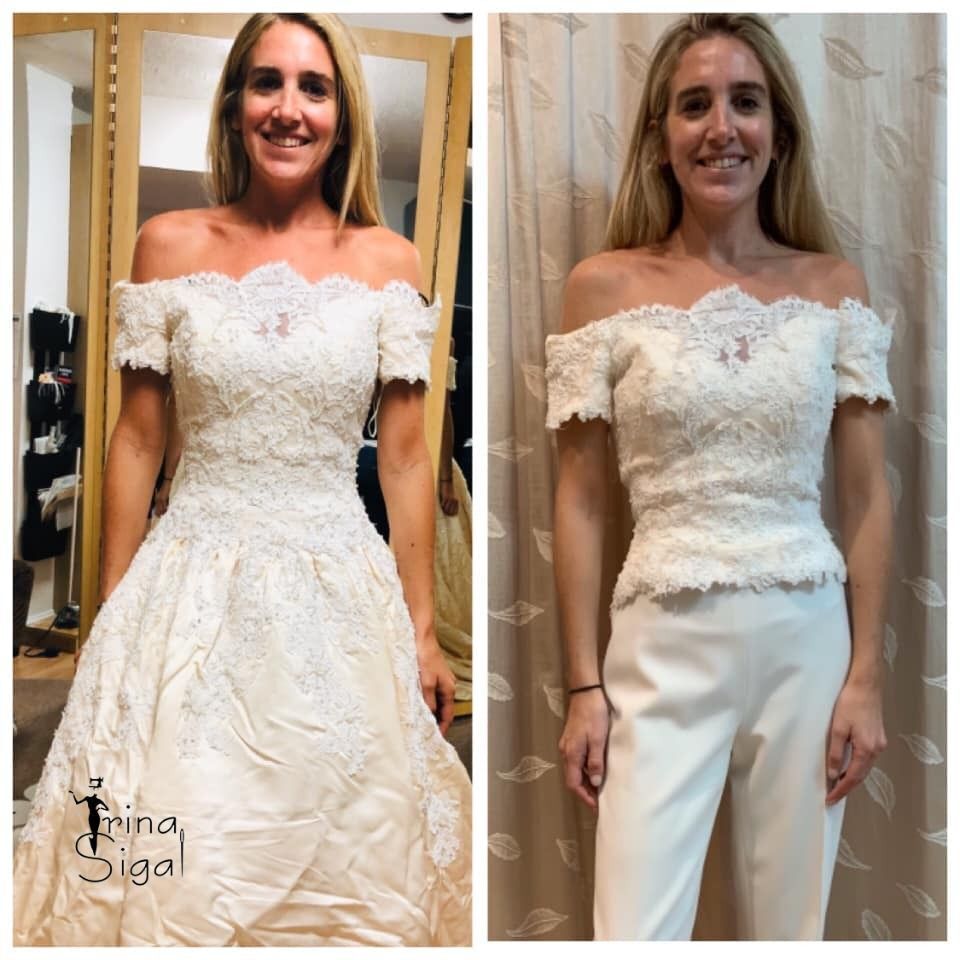
- Top Creation: A wedding dress with a lace or embroidered bodice can be upcycled into a beautiful top. The bodice can be shortened and styled with a simple hemline, or it can be tailored to a specific neckline, such as a V-neck or a sweetheart neckline. The sleeves of the dress can be preserved and adapted to create a unique and eye-catching design for the top.
Inspirational Images of Upcycled Wedding Dresses
Visual inspiration is crucial in understanding the possibilities of upcycling a wedding dress. The images below showcase various transformations, demonstrating how a once-formal garment can be revitalized into a stylish everyday outfit.
| Image | Transformation |
|---|---|
| Imagine a picture of a simple, fitted A-line wedding dress, transformed into a chic, modern jumpsuit. The dress’s bodice has been tailored to a fitted jumpsuit top, and the skirt has been modified to create the bottom portion. A zipper or a concealed closure is used for secure closure. | Jumpsuit |
| Imagine a picture of a full-skirted ball gown, transformed into a flowing, midi-length skirt. The waistline has been altered to create a flattering silhouette, and the skirt has been shortened. Decorative details from the original dress are incorporated. | Modern Skirt |
| Imagine a picture of a wedding dress with a lace or embroidered bodice, transformed into a stylish top. The bodice has been shortened and styled with a simple hemline. The sleeves of the dress are preserved and adapted to create unique design details. | Stylish Top |
Turning a Ball Gown into a Modern Skirt
A ball gown, with its voluminous skirt, offers excellent potential for upcycling into a modern skirt. The process involves shortening the skirt, altering the waistline, and potentially incorporating decorative elements from the original dress. Careful consideration of the desired length, silhouette, and the fabric’s characteristics are essential for a successful transformation.
Adapting a Wedding Dress into a Stylish Jumpsuit
A wedding dress with a fitted bodice can be transformed into a stylish jumpsuit. Tailoring the bodice to create a tailored top and repurposing the skirt as the bottom portion of the jumpsuit are key steps. Adding a zipper or a concealed closure will ensure a secure fit and a professional appearance.
Preparing the Dress for Upcycling
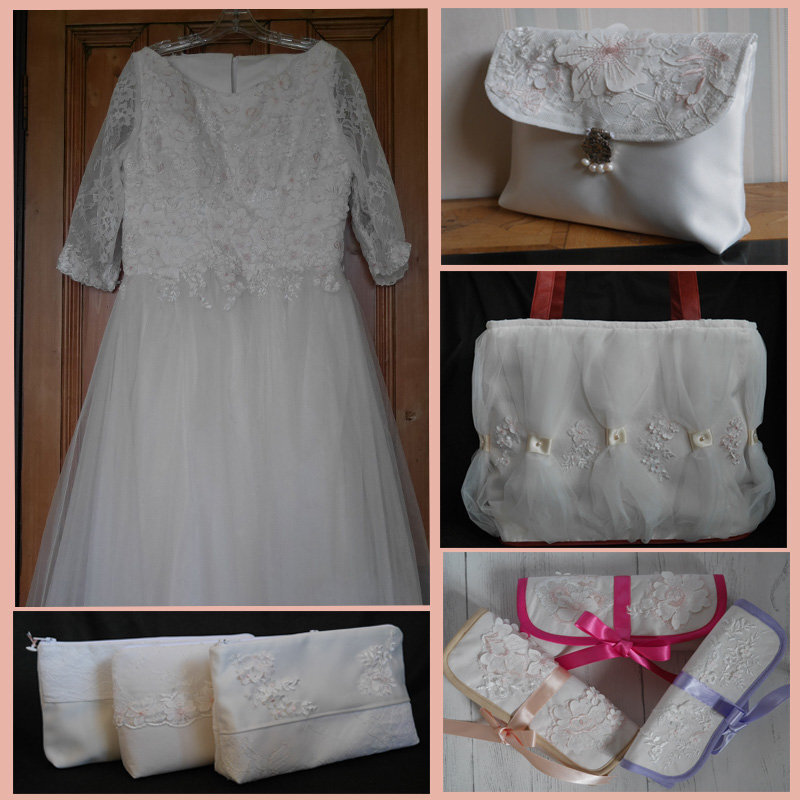
Transforming a cherished wedding dress into a stylish everyday garment requires meticulous preparation. Understanding the steps involved in cleaning, measuring, and removing embellishments is crucial for successful upcycling. This careful preparation ensures the dress’s longevity and allows for precise alterations, ultimately creating a garment that perfectly suits your new role.Thorough preparation is essential to maximize the potential of the upcycled garment.
This stage sets the tone for the entire project, influencing the final look and ensuring the dress retains its quality and aesthetic appeal throughout the upcycling process. Careful attention to detail during this phase paves the way for a beautiful and functional result.
Cleaning the Dress
Proper cleaning is paramount for preserving the dress’s original fabric and color. Begin by checking the dress’s care label for specific instructions. If no label exists, opt for a gentle, hand-wash method using a specialized garment cleaner or a mild detergent. Avoid harsh chemicals or excessive heat, as these can damage the fabric. Ensure thorough rinsing to remove all traces of detergent.
Allow the dress to air dry completely, away from direct sunlight to prevent fading.
Taking Accurate Measurements
Before embarking on any alterations, precise measurements are vital. These measurements are essential for creating a well-fitting garment and ensure the dress can be adapted to your body type. Use a tailor’s tape measure, ensuring accurate readings. Record measurements for the bust, waist, hips, and any other areas needing alteration. These measurements will be crucial for patterns and adjustments during the upcycling process.
Removing Embellishments and Beading
Removing embellishments like beads, sequins, or lace can be a delicate process. Carefully examine each element to understand the best approach for removal. Use small, sharp scissors or tweezers to gently detach the embellishments. If necessary, use a seam ripper to carefully cut the threads holding the embellishments. Protect the fabric beneath the embellishments during the process to avoid damage.
Dealing with Stains or Damage
Stains and damage are common occurrences with pre-owned garments. Assess the nature and extent of the damage. Consult a dry cleaner or a professional seamstress for guidance on addressing persistent stains or significant damage. If the stain is minor, try blotting it with a clean cloth or using a specialized stain remover, following the product’s instructions carefully.
Always test any cleaning solution on an inconspicuous area of the dress first to avoid further damage.
Preparing the Dress for Upcycling: A Step-by-Step Guide
| Step | Action | Notes |
|---|---|---|
| 1 | Inspect Care Label | Identify appropriate cleaning methods. |
| 2 | Gentle Hand Wash | Use mild detergent and avoid harsh chemicals. |
| 3 | Accurate Measurement Taking | Record bust, waist, hips, and other crucial measurements. |
| 4 | Embellishment Removal | Use small scissors, tweezers, or a seam ripper, ensuring fabric protection. |
| 5 | Stain Assessment and Treatment | Consult a professional or use a gentle stain remover, testing first. |
Resources and Inspiration
Finding the right resources and inspiration is crucial for successfully upcycling a wedding dress. This involves tapping into communities of like-minded individuals, exploring tutorials, and gaining insights from experienced upcyclers. With the right guidance, you can transform a once-special garment into something new and cherished.
Online Communities and Blogs
A wealth of inspiration and support can be found online. Dedicated upcycling communities, blogs, and social media groups provide valuable insights and a platform to share experiences. These platforms often feature a wealth of ideas, from simple alterations to elaborate transformations. Discovering creative solutions and learning from the experiences of others is an invaluable resource.
- Numerous online forums and groups cater specifically to upcycling, offering advice and inspiration. These communities are filled with individuals eager to share their knowledge and support others in their upcycling endeavors. Examples include Facebook groups dedicated to upcycling, or dedicated online forums on DIY fashion.
- Fashion blogs often feature articles and tutorials on upcycling wedding dresses, providing inspiration and detailed instructions for different projects. These articles can provide valuable insight into various techniques and offer a platform for learning from others’ successes.
- Social media platforms like Pinterest and Instagram are excellent sources for upcycling inspiration. Visual content such as images and videos showcase the transformative potential of wedding dress upcycling. Visual representations allow for a quick and easy understanding of the concepts, thus making it easier for one to get started.
Local Sewing Workshops and Classes
Local sewing workshops and classes focused on upcycling provide hands-on learning opportunities. Learning from experienced instructors can offer practical guidance and support, enabling you to develop valuable skills and techniques. These workshops often offer guidance and feedback on specific upcycling projects.
- Check local community centers, craft stores, and online directories for listings of sewing workshops. Look for workshops focusing on upcycling or alteration techniques.
- Workshops and classes often offer the opportunity to ask questions directly to experienced instructors and fellow participants. This creates a collaborative environment for learning and sharing knowledge.
- Hands-on learning is invaluable for developing practical skills in upcycling. Hands-on experience can help you gain a better understanding of the techniques and materials involved.
Affordable Fabrics and Embellishments
Finding affordable fabrics and embellishments is essential for cost-effective upcycling. These resources are crucial for bringing your upcycled creation to life. A wide range of options are available for every budget.
- Thrift stores, fabric remnants shops, and online marketplaces offer a variety of affordable fabrics and embellishments. These resources can be extremely helpful in acquiring the necessary materials for upcycling a wedding dress without breaking the bank.
- Consider buying fabric scraps or remnants. These can be used for creating new details or embellishments for the dress, saving money and providing creative options.
- Etsy and similar online marketplaces often feature affordable embellishments, such as beads, buttons, and trims, ideal for adding a personal touch to your upcycled dress. This can provide a range of options and allow for personalization.
Tutorials for Specific Upcycling Projects
Tutorials for specific upcycling projects provide detailed instructions and visual guidance. These resources are invaluable for executing specific transformations.
- Numerous online resources provide step-by-step tutorials for various upcycling projects. Search for tutorials tailored to the specific transformation you envision for your wedding dress.
- YouTube channels dedicated to sewing, crafting, and upcycling offer a wealth of video tutorials. These can be extremely helpful in understanding the upcycling process visually.
- Many blogs and websites offer detailed articles and guides on upcycling wedding dresses, including specific projects and techniques. These provide step-by-step instructions and can assist in choosing the most appropriate project.
Online Resources and Communities
Numerous online resources and communities provide inspiration and support for upcycling wedding dresses. These resources are indispensable for success in upcycling.
- Websites and blogs specializing in upcycling often feature articles and tutorials focused on wedding dress transformations. This allows for learning and inspiration from others’ experiences.
- Online forums and social media groups dedicated to upcycling can be a valuable resource for seeking advice and inspiration from fellow enthusiasts. This can provide a supportive community for seeking assistance.
- Pinterest boards and Instagram accounts dedicated to upcycling wedding dresses showcase a wide array of ideas and transformations. These platforms provide a large variety of ideas for visual inspiration.
Maintaining and Caring for Upcycled Dresses
Proper care is crucial for preserving the beauty and longevity of your upcycled wedding dress. By following the right washing and drying procedures, and employing protective measures, you can ensure your unique creation remains a cherished keepsake for years to come. This section will detail essential techniques for maintaining the quality and aesthetic appeal of your upcycled masterpiece.Careful handling and storage are paramount in preventing damage and maintaining the dress’s original form.
Different fabrics and embellishments require specific care instructions, and adhering to these guidelines will significantly extend the life of your upcycled creation.
Washing and Drying Procedures
Understanding the fabric composition of your upcycled dress is vital for determining the appropriate washing and drying methods. Different materials react differently to water and heat, and improper care can lead to shrinkage, fading, or damage to embellishments. Always refer to the original care instructions of the dress if possible. If the original care instructions are unavailable, err on the side of caution and choose a gentler cleaning method.
- Delicate Fabrics (e.g., silk, chiffon, lace): Hand wash in cool water using a mild detergent specifically designed for delicate fabrics. Avoid harsh scrubbing or wringing. Gently roll the dress in a clean towel to absorb excess water, and lay it flat to dry. Avoid direct sunlight or heat.
- Heavier Fabrics (e.g., satin, taffeta): Machine wash in a delicate cycle using cold water and a mild detergent. Use a mesh laundry bag to protect the dress and embellishments. Gently squeeze out excess water and lay flat to dry. Avoid using high heat on the dryer.
- Embellishments: If the dress features embellishments like beads, sequins, or crystals, hand wash the dress in a sink or tub filled with cool water and a mild detergent. Handle the embellishments with care and avoid rough handling or agitation that could damage them. Dry flat or hang to dry, away from direct sunlight.
Protecting the Dress from Damage
Protecting your upcycled dress from damage is an important aspect of its long-term care. Accidental tears, stains, and fading can diminish the dress’s aesthetic value.
- Stain Prevention: Always protect the dress from spills or stains. Place a protective layer, such as a tablecloth, beneath the dress during wear or storage.
- Avoiding Harsh Chemicals: Avoid exposure to harsh chemicals, like bleach or strong perfumes, as these can damage the fabric and alter its color.
- Sunlight Protection: Avoid prolonged exposure to direct sunlight, as this can fade the colors and damage the fabric over time.
Storage Techniques
Proper storage is essential for maintaining the dress’s shape and preventing wrinkles or stretching. A well-organized storage solution can extend the lifespan of your upcycled dress and prevent damage.
- Hanging or Folding: Hang the dress in a cool, dry place away from direct sunlight and heat. Use acid-free tissue paper or garment bags to protect the dress. If folding, use acid-free tissue paper or garment bags and fold gently to avoid wrinkles.
- Avoiding Moisture: Avoid storing the dress in damp or humid environments, as this can lead to mildew or mold growth.
- Wrinkle Prevention: Use garment hangers with padded shoulders or use acid-free tissue paper to prevent creases when folding the dress. Store the dress in a cool, dry place.
Fabric Care Chart
This table provides a quick reference for the care instructions for different upcycled wedding dress fabrics.
| Fabric | Washing Instructions | Drying Instructions |
|---|---|---|
| Silk | Hand wash in cool water with a mild detergent | Lay flat to dry, away from direct sunlight |
| Chiffon | Hand wash in cool water with a mild detergent | Lay flat to dry, away from direct sunlight |
| Lace | Hand wash in cool water with a mild detergent | Lay flat to dry, away from direct sunlight |
| Satin | Machine wash on a delicate cycle in cold water | Lay flat to dry, avoid high heat |
| Taffeta | Machine wash on a delicate cycle in cold water | Lay flat to dry, avoid high heat |
Safety Considerations During Upcycling
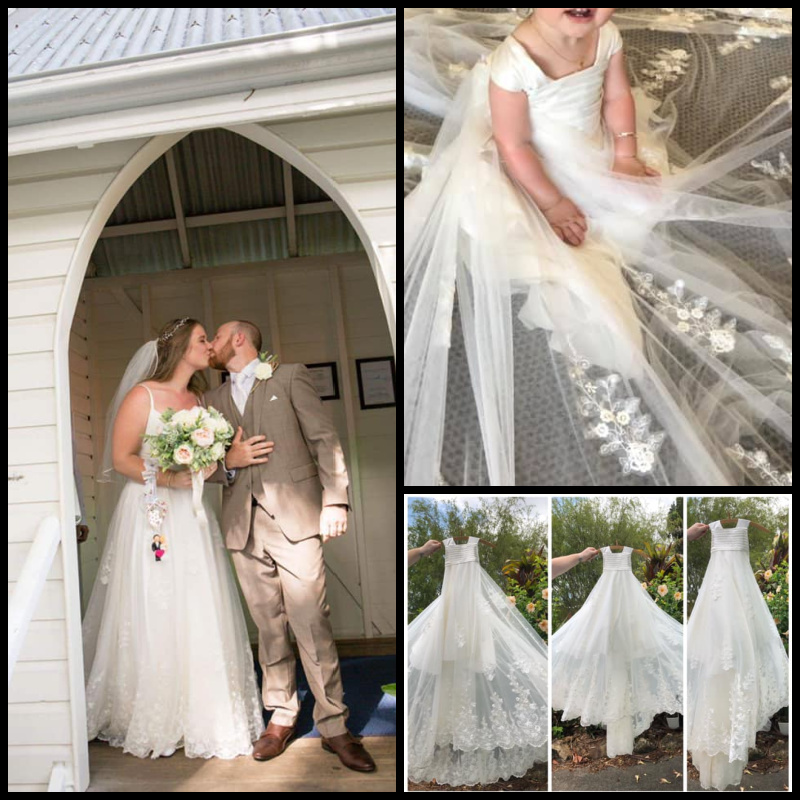
Upcycling a wedding dress, a creative endeavor, requires careful attention to safety precautions. Improper handling of fabrics, embellishments, and tools can lead to injuries or damage to the garment. Understanding and adhering to safety measures is crucial for a successful and safe upcycling experience.Careful attention to safety is essential throughout the upcycling process, from handling delicate fabrics to operating machinery.
This ensures a positive experience and minimizes the risk of accidents.
Fabric and Embellishment Safety
Removing embellishments like beads or sequins necessitates caution. Sharp edges from broken pieces can cause cuts. Use tweezers, needle-nose pliers, or specialized tools to carefully remove embellishments. Working over a soft surface, such as a piece of cloth or cardboard, can protect the work surface and prevent small pieces from scattering. If working with adhesive embellishments, use appropriate solvents or tools to carefully remove them without damaging the fabric.
Sewing Machine and Tool Safety
Operating sewing machines and other tools demands adherence to safety guidelines. Ensure the machine is properly maintained and the thread is securely fastened. Always use the appropriate safety guards and follow the manufacturer’s instructions. Use appropriate needle sizes and thread types for the fabric being used. When working with scissors or other sharp tools, use caution and handle them with care.
Keep fingers away from blades and place the garment on a stable surface to prevent accidental movement.
Sharp Objects and Hazardous Materials
Handling sharp objects, such as scissors, pins, or needles, requires vigilance. Keep sharp objects in designated areas and away from children. Use appropriate protective gear like gloves and eye protection to prevent injuries. If working with solvents or other hazardous materials, ensure adequate ventilation and use appropriate protective equipment, such as gloves and safety glasses, to prevent exposure to harmful substances.
Be mindful of the potential risks involved and always handle materials with the necessary care and attention.
Importance of Safety Gear
Using appropriate safety gear is vital during upcycling projects. Safety glasses protect the eyes from flying debris or sharp objects. Gloves prevent cuts and abrasions while handling fabrics and embellishments. A well-fitting mask is crucial when working with fabrics that release dust or fibers, ensuring respiratory health. Safety precautions are not optional; they are essential to protect your well-being and the integrity of your project.
Safety Tips for Upcycling Wedding Dresses
- Always inspect the fabric and embellishments before beginning any work to identify any potential hazards.
- Wear appropriate safety glasses, gloves, and a mask, especially when working with potentially harmful substances or materials.
- Keep your workspace organized and tidy to prevent accidents.
- Ensure proper ventilation when working with solvents or adhesives.
- Store sharp objects in designated areas and keep them out of reach of children.
- Use caution when operating sewing machines and other tools, following the manufacturer’s instructions carefully.
- Never force tools or equipment; if something feels unusual or incorrect, stop and check the tool or equipment for damage.
- Take breaks to avoid fatigue, which can lead to mistakes or accidents.
- If you are unsure about a step or procedure, consult a professional for guidance.
Conclusion
This comprehensive guide has equipped you with the knowledge and inspiration to embark on your own wedding dress upcycling journey. From identifying suitable dresses to mastering creative techniques, the process is detailed and approachable. By upcycling your wedding dress, you’ll not only enjoy a stylish, personalized wardrobe but also contribute to sustainability and reduce waste.