Transform discarded terra cotta pots into beautiful and functional plant labels. This comprehensive guide provides step-by-step instructions for upcycling broken pots, from initial selection and cleaning to final design and attachment. Discover creative techniques to personalize your plant labels and create a unique touch for your garden. The guide will empower you with knowledge and practical tips for a sustainable and artistic approach to plant care.
This guide will walk you through each stage of the process, from choosing the perfect broken pots to finalizing the labels with unique designs. Learn how to creatively use broken terra cotta pieces to create personalized plant labels that add a touch of elegance and individuality to your garden. You’ll find a wealth of information, including design ideas, materials, and step-by-step instructions to ensure a successful project.
Introduction to Upcycling Terra Cotta Pots
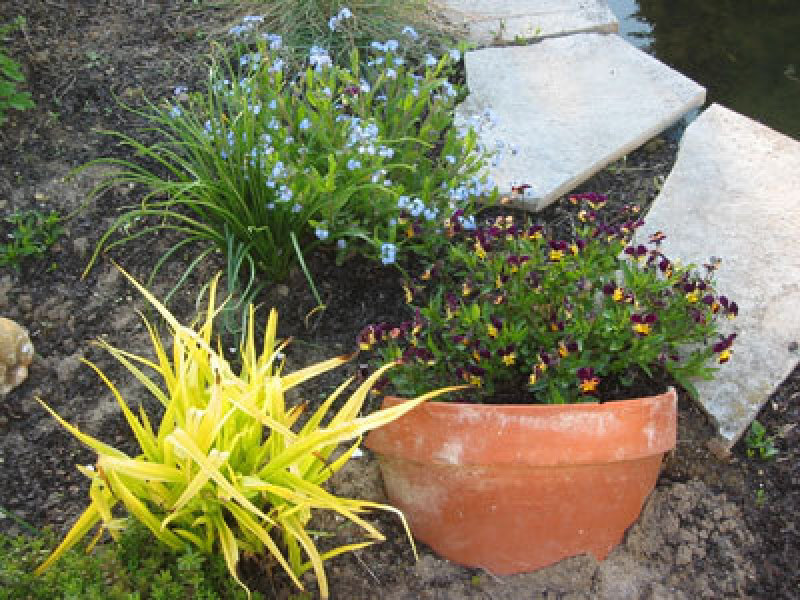
Upcycling is a valuable sustainable practice that reduces waste and encourages resourcefulness. By repurposing items, we minimize our environmental impact and discover creative solutions for everyday needs. Transforming discarded materials into useful objects is a rewarding way to contribute to a more environmentally conscious lifestyle.Repurposing broken terra cotta pots provides a practical and environmentally sound solution for creating unique plant labels.
Broken pieces, often discarded, gain a new life, avoiding landfill waste and allowing for a creative expression of personal style in the garden. This approach fosters a deeper appreciation for the potential of everyday objects.
Different Ways Terra Cotta Pots Can Be Broken
Terra cotta pots can break in various ways, affecting their suitability for specific uses. Common breakage patterns include chipping, cracking, shattering, and splitting. Chipping often results from impacts, while cracking might occur due to temperature fluctuations or mishandling. Shattering usually follows significant force, leaving small fragments. Splitting, on the other hand, involves a separation along a line, sometimes caused by internal stresses or improper drying.
Understanding these different types of breakage is essential for selecting the right pieces for plant labels.
Selecting Suitable Broken Pots for Plant Labels
Careful consideration is necessary when choosing broken pots for plant labels. The size and shape of the pieces should be appropriate for displaying plant names. Pieces with sharp edges should be avoided to prevent injury or damage to plants. The condition of the pot, including the presence of any remaining glaze or residue, also plays a significant role.
Pieces with intact surfaces are preferred for creating legible labels.
Creative Uses for Broken Terra Cotta Pots
Broken terra cotta pots offer numerous creative applications beyond simple plant labels. For instance, they can be incorporated into decorative planters, creating a unique and artistic look. Smaller pieces can be used as accents within larger planters, adding visual interest and texture. The aesthetic possibilities are virtually limitless, from rustic gardens to contemporary designs. They can be painted, stained, or left in their natural state to complement the overall garden design.
Examples of Creative Uses
The following table presents examples of creative uses for broken terra cotta pots, considering various pot types, conditions, potential applications, and difficulty levels.
| Pot Type | Condition | Potential Use | Level of Difficulty |
|---|---|---|---|
| Small, shallow bowl | Intact, no cracks or chips | Individual plant labels | Easy |
| Large, deep pot | Cracked, but large pieces remain | Decorative planter accents | Medium |
| Round pot | Shattered into small fragments | Mosaic planter design | Medium-high |
| Tall pot | Split into vertical sections | Vertical garden divider | Medium-high |
Gathering Materials and Tools
Transforming broken terra cotta pots into charming plant labels requires careful preparation and selection of appropriate materials. This phase ensures the project’s success by providing the necessary tools and materials for a smooth and enjoyable crafting experience. A well-stocked toolkit and a thoughtful selection of embellishments will greatly impact the final aesthetic appeal of your plant labels.The process begins with gathering the essential tools and materials.
A comprehensive list of options allows for customization and adaptation to personal preferences and available resources. Safety precautions during the handling of broken pottery are paramount to prevent injury and ensure a productive work environment.
Essential Tools and Materials
Proper preparation is key to a successful upcycling project. Having the right tools and materials ensures a smooth process, from initial preparation to the final embellishment. A well-organized approach to gathering supplies will contribute significantly to a positive crafting experience.
- Broken terra cotta pots: These form the base of your plant labels. Ensure the pieces are stable and suitable for your design.
- Glue: A strong adhesive, such as craft glue or epoxy resin, is crucial for securely attaching embellishments to the pot pieces. Consider the type of material you will be adhering, as some glues work better on certain substrates.
- Embellishments: This is where creativity truly shines. Various materials can add unique charm and style to your plant labels. This could range from beads and buttons to paint, fabric scraps, and even small dried flowers.
- Safety Glasses: Protecting your eyes is essential when working with broken pottery shards. This precaution minimizes the risk of injury during handling and assembly.
- Protective Gloves: These protect your hands from cuts and potential contamination from the materials being used. Consider using nitrile or latex gloves.
- Small paintbrushes (optional): If you plan to paint the pots, these are needed to apply the paint evenly and precisely.
- Sandpaper (optional): Use sandpaper to smooth rough edges on the broken pot pieces before gluing. This step enhances the aesthetic appeal and prevents splinters.
- Markers or pens (optional): For adding text or designs to the labels, markers or pens are useful tools.
Embellishment Materials
A diverse range of materials can transform simple pot shards into personalized plant labels. Careful consideration of the chosen embellishments contributes significantly to the project’s overall aesthetic appeal.
- Paint: A variety of colors and finishes, such as acrylic, craft, or enamel paints, can add vibrant hues and patterns to your labels. Experiment with different techniques to achieve unique effects.
- Fabric scraps: Adding fabric scraps, in various colors and textures, creates a unique visual appeal.
- Beads and buttons: These add a touch of elegance and dimension to your plant labels.
- Dried flowers and pressed leaves: Natural elements like these add a touch of nature and create unique designs.
- Small shells or stones: Incorporate natural materials like shells or stones to add a touch of coastal or rustic charm.
- Metallic accents: Adding metallic accents like foil or glitter adds a touch of sophistication and shine.
- Markers or pens: Add personalized text or decorative elements using markers or pens.
Safe Handling of Broken Pottery
Carefully handling broken pottery is crucial to prevent injury and ensure the longevity of the project. Proper safety measures protect both the worker and the craft itself.
- Wear appropriate safety gear: Always wear safety glasses and protective gloves when working with broken pottery to prevent cuts and eye injuries.
- Use a sturdy workspace: Ensure the workspace is clean and level to prevent accidents.
- Handle pieces with care: Use tongs or soft cloths to handle the broken pieces to avoid cuts.
- Dispose of broken pieces responsibly: Use appropriate containers for disposal to prevent accidental injuries.
Tools/Materials List
| Tools/Materials | Description |
|---|---|
| Broken Terra Cotta Pots | The base material for creating plant labels. |
| Glue (e.g., craft glue, epoxy resin) | Essential for securely attaching embellishments. |
| Embellishments (paint, fabric, beads, etc.) | Materials to personalize and decorate the labels. |
| Safety Glasses | Protect eyes from flying debris. |
| Protective Gloves | Protect hands from cuts and contamination. |
| Small Paintbrushes (optional) | For applying paint evenly. |
| Sandpaper (optional) | For smoothing rough edges. |
| Markers/Pens (optional) | For adding text or designs. |
Cleaning and Preparing Broken Pots
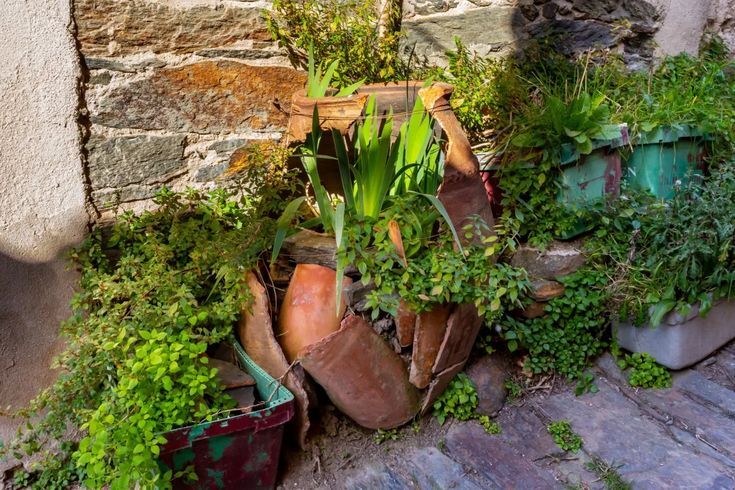
Thorough cleaning and preparation of broken terra cotta pots is crucial for successful upcycling. This process ensures the safety of the upcycled product and enhances the aesthetic appeal of the finished plant labels. Properly cleaned and prepared pieces are more likely to bond well if you are using glue, which is a necessary step for creating sturdy and long-lasting plant labels.Effective cleaning and preparation minimizes the risk of contamination and maximizes the durability of the upcycled plant labels.
This careful process involves removing all traces of dirt, debris, and potential contaminants from the broken pieces, followed by smoothing rough edges for a more refined appearance.
Methods for Cleaning Broken Pots
Effective cleaning methods are essential for preserving the integrity of the terra cotta and ensuring the safety of the upcycled plant labels. A variety of cleaning methods can be used, depending on the level of soiling and the specific tools available. Mild detergent and water is often sufficient for light soiling, while more aggressive cleaning might be required for heavily soiled pots.
Importance of Removing Debris and Dirt
Removing all debris and dirt is a fundamental step in the preparation process. Dirt, dust, and other contaminants can hinder the bonding of the pot pieces and potentially compromise the structural integrity of the finished product. These impurities can also affect the aesthetic appeal of the final plant labels. Thorough cleaning is therefore vital to ensuring the longevity and attractiveness of the upcycled plant labels.
Sanding or Smoothing Rough Edges
Sanding or smoothing rough edges is a critical step for enhancing the overall aesthetic and usability of the upcycled plant labels. Sharp edges can be hazardous and may create difficulties when assembling the pieces. Using sandpaper, specifically a fine-grit sandpaper, ensures the edges are uniformly smooth, allowing for better handling and preventing potential injuries. The final product will appear more refined and professional.
Safety Precautions During Preparation
Safety is paramount during the preparation process. When handling broken pottery shards, use protective gloves and eye protection to avoid cuts and other injuries. Work in a well-ventilated area to minimize the inhalation of dust particles generated during sanding or grinding. Keeping a clean workspace is also vital for maintaining a safe and efficient working environment. Proper disposal of waste materials, including the sanding dust, should be handled responsibly.
Preserving the Integrity of Broken Pot Pieces
Preserving the integrity of the broken pot pieces is crucial for successful upcycling. Careful handling and cleaning methods prevent the breakage of additional pieces and maintain the structural integrity of the pieces. Avoiding excessive force during cleaning and preparation helps to preserve the original shape and texture of the pieces. Proper storage of the cleaned pieces, in a dry, safe location, will help maintain their condition.
Steps for Cleaning and Preparing Broken Pots
- Wear protective gloves and eye protection.
- Rinse the broken pieces thoroughly with water to remove loose dirt and debris.
- Soak the pieces in a mild detergent solution for a period of time, depending on the level of soiling. If necessary, scrub gently with a soft-bristled brush.
- Rinse the pieces thoroughly again with clean water until all traces of detergent are removed.
- Inspect the pieces for any remaining debris or dirt.
- Sand or smooth any rough edges with fine-grit sandpaper to create a smooth and even surface.
- Allow the pieces to dry completely before handling or storing them.
- Store the cleaned and prepared pieces in a dry, safe location to maintain their integrity.
Designing and Creating Plant Labels
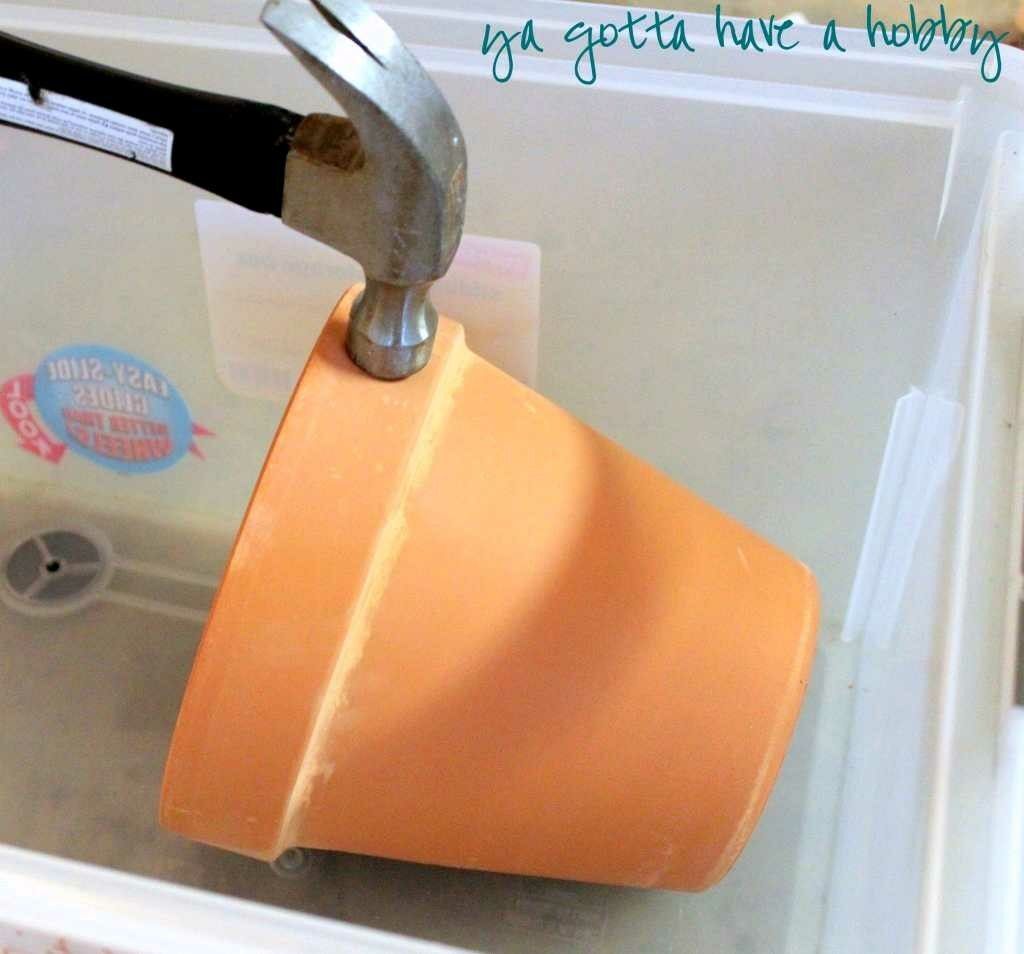
Transforming broken terra cotta pots into unique plant labels offers a delightful way to personalize your gardening space. This process allows you to showcase your creativity while providing practical information for your plants. Careful consideration of design, materials, and techniques is key to achieving durable and aesthetically pleasing results.Creating personalized plant labels from broken terra cotta pots is a rewarding endeavor.
It allows you to tailor the labels to your specific preferences and the aesthetic of your garden. The diverse range of design options and decorating techniques makes this a truly adaptable project.
Design Options for Plant Labels
Personalizing plant labels enhances the visual appeal of your garden. Different design styles, from minimalist to elaborate, can be incorporated. Consider the overall theme of your garden when selecting a design, ensuring consistency and harmony. Simple designs often use clean lines and minimal embellishments, while elaborate ones may involve intricate patterns and decorative elements.
Decorating Techniques for Broken Pots
A variety of techniques can be used to decorate the broken pots, transforming them into eye-catching plant labels. These techniques include painting, decoupage, and adding embellishments. Painting offers a versatile method for creating a wide range of designs, while decoupage involves adhering decorative elements like paper or fabric to the pot surface. Embellishments, such as beads, buttons, or small figurines, can add a unique touch to the label.
Using Paint, Markers, and Other Decorative Materials
Paint, markers, and other decorative materials play a significant role in crafting personalized plant labels. Acrylic paints are often a popular choice due to their vibrant colors, quick-drying properties, and durability. Fine-tip markers can be used for adding intricate details or creating text. Other decorative materials, such as fabric scraps, shells, or pebbles, can be incorporated for a more personalized touch.
Comparing Paint Types for Terra Cotta
Several types of paint are suitable for terra cotta pots. Acrylic paints are a common choice because of their durability and ability to adhere well to the porous surface of terra cotta. Ceramic paints, specifically designed for ceramic surfaces, can also be used, offering a similar level of durability. Water-based paints are generally preferred for their ease of use and minimal odor, while oil-based paints, although durable, might have a stronger odor and longer drying time.
Consider the desired finish, longevity, and environmental impact when choosing a paint type.
Creating a Durable Plant Label
Achieving a durable plant label is essential for ensuring its longevity and functionality. A primer coat can enhance the paint’s adhesion to the terra cotta, preventing chipping or peeling. Applying multiple thin coats of paint instead of a single thick coat can help prevent cracking. Allowing ample drying time between coats ensures that the paint cures properly.
Protecting the label from the elements, especially moisture, is also critical for its longevity. Consider sealing the finished label with a clear sealant to provide additional protection.
Five Plant Label Designs
- Geometric Design: This design utilizes geometric shapes, such as squares, triangles, and circles, painted in contrasting colors on the broken pieces. The simplicity and boldness of the design create a visually appealing and contemporary aesthetic. The contrasting colors create a striking effect that is sure to add vibrancy to your garden.
- Floral Design: This design incorporates floral patterns using various shades of color and a brush technique. The use of different floral patterns, sizes, and colors can create a visually appealing and sophisticated design. The soft colors of the design add a touch of elegance to your garden, creating a tranquil atmosphere.
- Textured Design: This design uses various textures, such as stippling or embossing, to create a unique visual impact. A textured design offers a unique and personalized touch to your plant labels, adding depth and visual interest to your garden. The varied textures create a captivating display, making your garden a standout.
- Nature-Inspired Design: This design incorporates elements found in nature, such as leaves, flowers, or bark patterns. The design’s natural motifs provide a sense of tranquility and harmony to your garden. These motifs will add an element of nature’s beauty and tranquility to your garden.
- Minimalist Design: This design focuses on clean lines, simple shapes, and a limited color palette. The design’s elegance and simplicity create a modern aesthetic. Minimalist designs create a sense of order and sophistication that will add to the visual appeal of your garden.
Attaching the Labels to Plants
Securing plant labels properly is crucial for maintaining neatness and clarity in your garden. A well-placed label ensures that you readily identify each plant, fostering successful care and growth. This section details various methods for attaching labels to plants, along with considerations for different plant types and sizes.
Methods for Attaching Plant Labels
Proper attachment of plant labels prevents them from blowing away or getting damaged, ensuring long-lasting use. Several methods exist, each with its own advantages and suitability for specific plants and label types.
- Using Stakes: Stakes provide a sturdy support system, particularly effective for taller plants or those with multiple stems. Choose stakes that are durable and appropriate for the plant’s size and growing conditions. Drive the stake into the ground near the plant, ensuring it is stable and will not easily uproot. Thread the label onto a small piece of string or twine and tie it securely to the stake.
- Using Plant Ties: Plant ties are flexible and ideal for attaching labels to plants with stems or branches that can be wrapped around. These are good for smaller plants and plants with more delicate stems. Simply wrap the tie around the stem or branch, positioning the label securely. Ensure the tie is not too tight, as this could damage the plant.
- Using Wire or Twine: Wire or twine offers a strong and versatile method for attaching labels to plants. This is suitable for plants with a sturdy stem or branch. Carefully wrap the wire or twine around the stem, creating a secure knot to hold the label in place. Avoid using wire that is too sharp, as this could damage the plant’s bark.
- Using Adhesive: For smaller labels or plants with thin stems, using a strong adhesive is an effective way to attach labels. Choose a plant-safe adhesive that won’t harm the plant. Apply a small amount of adhesive to the back of the label and gently press it onto the plant’s stem or branch.
Securing the Labels
Ensuring the labels stay in place is paramount for long-term readability. Properly securing the labels will prevent them from detaching and getting lost. Consider the plant’s growth rate and the label’s size when selecting a method.
- Knots and Ties: Secure knots and ties prevent the label from slipping or detaching. Use a knot that is tight but not damaging to the plant. For twine, use a square knot or a simple overhand knot.
- Adhesive Strength: Choose a strong adhesive appropriate for the plant and label. Test the adhesive’s holding capacity on a small, inconspicuous area before applying it to the plant to ensure it will withstand the plant’s growth.
- Adjustments: Periodically check the labels to ensure they remain securely attached. As the plant grows, the labels may need to be repositioned or reattached to prevent them from becoming loose.
Types of Plant Supports
Selecting appropriate plant supports ensures the label’s longevity and visibility. The support’s material and strength should match the plant’s needs.
- Wooden Stakes: These provide a strong and durable support for various plants. The size of the stake should be proportionate to the plant’s size.
- Metal Stakes: These are often more robust than wooden stakes, particularly suitable for plants that require more support.
- Twine or String: Lightweight and flexible, twine or string are excellent for plants with thin stems. Choose twine or string that is strong enough to hold the label.
- Plant Ties: These are designed for wrapping around stems and branches, offering a gentle yet secure method of support.
Securing Plant Labels with Different Materials
Various materials can be used to secure the labels, depending on the plant’s needs and the label’s size.
- Twine: Natural twine is a versatile and readily available material for tying labels to plant stems. It’s particularly suitable for smaller plants.
- Wire: Wire is stronger than twine and is useful for securing labels to larger or more robust plants. Care must be taken to avoid damaging the plant’s stem.
- Plant Ties: These are specifically designed for wrapping around plant stems, offering a gentle yet secure attachment.
Selecting the Right Label for Different Plants
Choosing the right label type is essential for effective plant identification and care. The label’s material and size should be appropriate for the plant’s size and growth rate.
- Small Plants: Smaller plants benefit from small, lightweight labels that are easy to attach. Choose materials like lightweight cardboard or plastic.
- Large Plants: Larger plants require larger, more durable labels that can withstand the plant’s growth. Consider using thicker cardboard or wood for these labels.
- Annuals: Annual plants may benefit from temporary labels that can be easily removed or replaced.
- Perennials: Perennial plants often benefit from more permanent labels that can withstand the plant’s growth over several seasons.
Plant Type and Attachment Method
This table illustrates the recommended attachment methods for different plant types.
| Plant Type | Attachment Method |
|---|---|
| Small herbs | Plant ties or twine |
| Shrubs | Stakes or twine |
| Climbing plants | Plant ties or twine, wrapped around the plant support |
| Trees | Stakes or twine, with the label placed on a branch or trunk |
| Vines | Twine, or plant ties, ensuring the label is placed on the vine’s support |
Creative Ideas and Inspiration

Transforming broken terra cotta pots into personalized plant labels offers a wealth of creative possibilities. This section explores diverse artistic styles, embellishments, and personalization techniques to elevate your plant label creations. From simple and elegant designs to elaborate and whimsical pieces, the potential for unique expression is vast.
Diverse Artistic Styles
Embracing a range of artistic styles will help you create plant labels that truly reflect your personal aesthetic. Consider incorporating elements of rustic charm, modern minimalism, or whimsical folk art. Experimenting with different techniques, such as decoupage, painting, or etching, will add depth and character to your labels.
Personalization Techniques
Personalizing plant labels is key to making them truly special. Incorporating the plant’s name, its unique characteristics, or even a small personal message adds a thoughtful touch. Adding small details, such as painted botanical illustrations, miniature sculptures, or even small, meaningful charms, will make each label distinctive.
Embellishments for Enhanced Aesthetics
A variety of embellishments can elevate the aesthetic appeal of your plant labels. Consider using beads, sequins, dried flowers, or small pottery shards to add visual interest. Adding a touch of color through paint, stained glass, or fabric scraps can also create visually striking labels.
Five Creative Upcycling Ideas
Here are five creative ideas for transforming broken terra cotta pots into unique plant labels:
- Rustic Charm Labels: Use natural elements like twine, dried grasses, and small pebbles to create a rustic aesthetic. Paint the broken pot pieces in muted earth tones, then glue the natural elements to the surface for a charming and earthy touch. This style works well with herbs and succulents.
- Geometric Minimalist Labels: Create clean lines and geometric patterns using stencils and paint. Choose a color palette that complements the plant’s foliage. This style is perfect for modern or contemporary gardens.
- Whimsical Folk Art Labels: Use bright, bold colors and playful patterns to create whimsical labels. Incorporate painted animals, flowers, or other decorative elements for a joyful and imaginative touch. These would be ideal for brightly colored flowers or tropical plants.
- Decoupage Labels: Use decorative papers, fabric scraps, or even photographs to create intricate designs. Apply a layer of decoupage medium to protect the design and add a layer of depth. This technique allows for customization with unique images or patterns.
- Etched Nature Labels: Use a sharp tool to etch designs or patterns into the terra cotta pieces. Fill the etched lines with paint or varnish for contrast and visual appeal. This style is suitable for plants with unique or interesting leaves or flowers.
Maintenance and Durability
Upcycled plant labels, crafted from broken terracotta pots, offer a unique and charming way to identify your plants. However, ensuring their longevity and maintaining their aesthetic appeal requires thoughtful consideration of the materials and the environment in which they will reside. Proper care and attention will extend the life of these handmade plant labels, preserving their charm for years to come.
Longevity of Upcycled Plant Labels
The longevity of upcycled plant labels hinges significantly on the materials used and the environment they’re exposed to. Terracotta, a porous material, can absorb moisture and become brittle over time if not properly treated. Labels created from larger, thicker pieces of terracotta will generally last longer than those made from smaller, thinner fragments. Furthermore, the method of attaching the labels to the plants plays a critical role in preventing premature damage.
Labels secured with strong, weather-resistant adhesives will maintain their position, protecting the plant and the label from damage.
Protecting Labels from Weather Elements
Protecting plant labels from weather elements is crucial for maintaining their appearance and longevity. Exposure to direct sunlight, rain, and extreme temperatures can lead to fading, cracking, or warping of the terracotta. Applying a clear sealant or varnish to the labels can create a protective barrier against these elements. A sealant also helps prevent moisture absorption, reducing the risk of breakage and discoloration.
Placement in shaded areas, particularly during periods of intense sunlight, can also extend the labels’ lifespan.
Maintaining the Appearance of Plant Labels
Maintaining the appearance of plant labels requires consistent monitoring and proactive measures. Regular inspections can help identify any signs of damage, such as cracking, chipping, or discoloration. Minor damage can often be repaired with a touch of sealant or a small amount of clay-based filler, matching the color of the terracotta. Over time, a slight weathering effect can develop, adding a rustic charm to the labels, but heavy weathering should be addressed.
To preserve the original color and appearance of the labels, it is recommended to protect them from excessive moisture and direct sunlight.
Preventing Damage to Plant Labels
Damage to plant labels can stem from various factors, including improper attachment, rough handling, and environmental stressors. Carefully securing the labels to the plants with strong, appropriate adhesive is essential. Avoid placing labels in areas prone to physical damage or high-traffic areas where they may be bumped or knocked over. The use of protective coverings, such as small waterproof covers, during harsh weather conditions can prevent damage.
Regular checks will help identify and address any issues early on.
Durable Materials for Plant Labels
The durability of plant labels depends largely on the material used for the labels themselves and the method of attachment. While terracotta is the primary material for upcycling, the durability can be further enhanced with additional measures like the application of a sealant. Consider using larger, thicker pieces of terracotta for labels, as these will likely be more resilient to weathering.
Additionally, the type of adhesive used for attaching the labels to plants can significantly affect the label’s overall durability. Strong, weather-resistant adhesives are recommended.
Maintenance Tips
| Maintenance Tip | Explanation |
|---|---|
| Apply a clear sealant or varnish to the labels. | This creates a protective barrier against weathering, preventing fading, cracking, and moisture absorption. |
| Regularly inspect labels for damage. | Early detection of issues like cracking or chipping allows for prompt repairs, extending the label’s lifespan. |
| Use strong, weather-resistant adhesives for attachment. | Proper attachment prevents labels from detaching, ensuring long-term functionality and reducing the risk of damage. |
| Protect labels from direct sunlight and harsh weather conditions. | Placement in shaded areas and the use of protective coverings during extreme weather can significantly extend the label’s lifespan and preserve its aesthetic appeal. |
Final Wrap-Up
In conclusion, this guide provides a detailed and practical approach to upcycling broken terra cotta pots into distinctive plant labels. We have covered every aspect of the process, from sourcing and preparing the pots to attaching them to your plants. By following the provided instructions and tips, you can create unique and personalized plant labels that enhance your garden’s aesthetic appeal while promoting sustainability.
The creative possibilities are endless!