Transforming discarded glass bottles into stunning decorative pieces is an eco-friendly and rewarding hobby. This comprehensive guide provides a step-by-step approach to upcycling glass bottles using spray paint, from initial preparation to final embellishments. Discover a wealth of creative ideas and techniques to unleash your inner artist and create unique, personalized items for your home or as gifts.
Learn how to select the perfect spray paint for your glass bottles, prep them meticulously, and apply paint evenly for a professional finish. Explore various design options, from simple color schemes to elaborate patterns, and discover innovative ways to personalize your upcycled creations. This guide will empower you to turn ordinary glass bottles into extraordinary works of art.
Introduction to Upcycling Glass Bottles
Upcycling is a creative and environmentally conscious approach to repurposing materials. By transforming discarded items into new objects, we reduce waste and conserve resources. This approach not only minimizes our environmental footprint but also fosters a sense of creativity and resourcefulness. Upcycling glass bottles is a particularly rewarding endeavor, offering both aesthetic appeal and practical applications.This process offers numerous benefits, from reducing landfill waste to creating unique and personalized items.
Transforming an ordinary glass bottle into a stunning decorative piece or a functional container is a testament to the transformative power of creativity and sustainability.
Suitable Glass Bottle Types for Upcycling
A wide array of glass bottles are ideal for upcycling projects. Common types include soda bottles, wine bottles, beer bottles, and even jars. The shape, size, and colour variations of these bottles provide a diverse canvas for artistic expression and practical applications. The versatility of these containers makes them suitable for a broad range of upcycling projects.
Importance of Safe and Non-Toxic Spray Paints
Utilizing safe and non-toxic spray paints is crucial for upcycling glass bottles. Inhalation of harmful fumes and direct contact with toxic materials can pose significant health risks. Using environmentally friendly and low-VOC (volatile organic compound) paints minimizes potential health hazards and promotes sustainable practices. Always prioritize your health and well-being when undertaking any crafting project.
Spray Paint Types for Upcycling Glass
The choice of spray paint significantly impacts the final appearance and longevity of the upcycled glass bottle. Different spray paints exhibit varied properties, influencing the overall outcome. A comparison of common spray paint types for upcycling glass is presented below.
| Spray Paint Type | Characteristics | Suitability for Upcycling Glass |
|---|---|---|
| Acrylic | Water-based, easy to clean up, readily available, typically less durable than enamel | Good for general decorative projects and projects with simple designs. |
| Enamel | Solvent-based, more durable, provides a hard, glossy finish, better resistance to chipping and scratching | Ideal for projects requiring a durable finish and those that will be subjected to more wear and tear. |
| Metallic | Provides a shimmery, metallic effect, typically requires a primer for optimal adhesion | Excellent for creating a glamorous or sophisticated look; the primer step is important for a lasting finish. |
Preparing the Glass Bottles
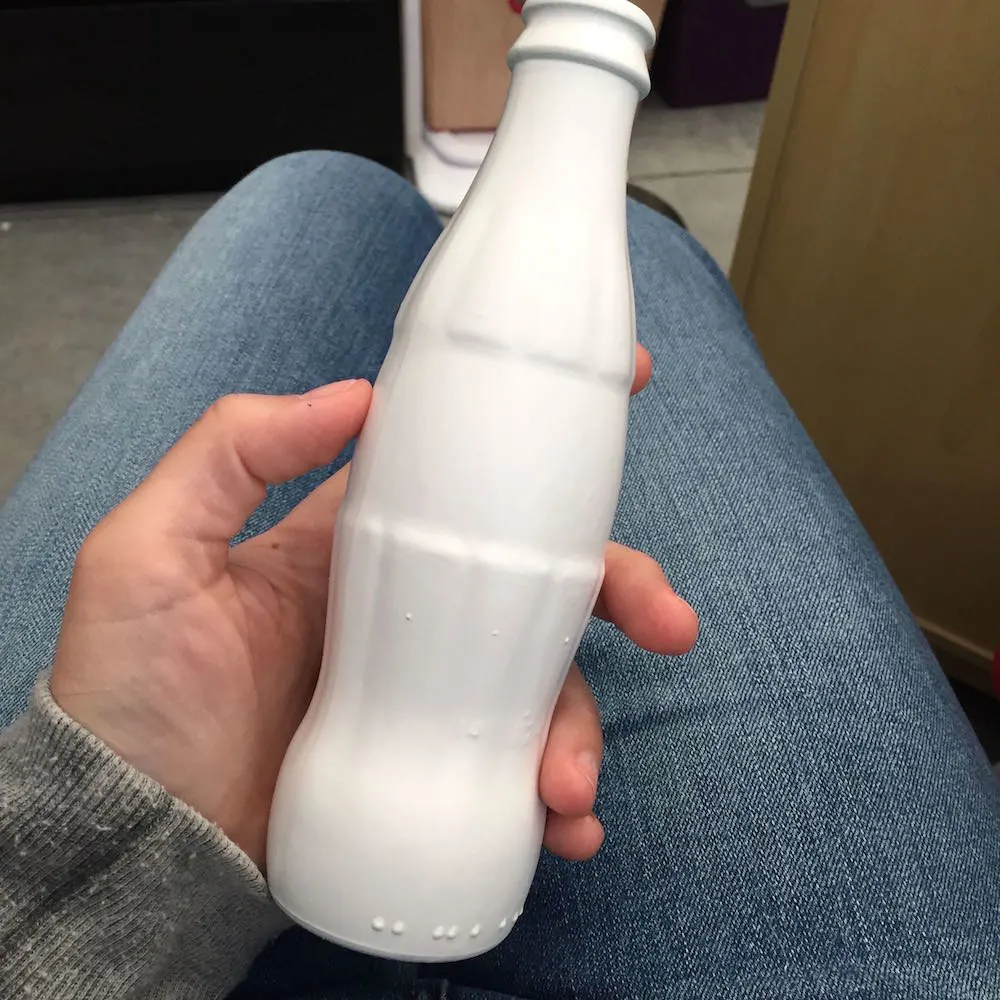
Thorough preparation is crucial for achieving a professional and aesthetically pleasing upcycled glass bottle. Proper cleaning and surface preparation ensures a smooth application of spray paint and a long-lasting finish. This section details the steps involved in achieving a clean, ready-to-paint surface.Effective cleaning and label removal are essential for a quality upcycling project. Stubborn labels and adhesives can be a challenge, but with the right techniques, even the most tenacious residue can be successfully removed.
Surface imperfections, like scratches or uneven textures, can impact the paint’s finish. Sanding or smoothing these surfaces will yield a more uniform and attractive final product.
Cleaning the Glass Bottles
Proper cleaning is the first step in preparing glass bottles for painting. This ensures a clean surface that will adhere to the paint well and prevent future issues. A thorough cleaning will remove dirt, dust, grease, and any other contaminants that might interfere with the paint job. Use appropriate cleaning solutions and techniques to avoid damaging the glass.
Removing Labels and Stickers
Removing labels and stickers effectively is critical to achieving a clean, pristine surface. Adhesives can hinder a smooth and consistent paint application, impacting the aesthetics of the final product. Using appropriate methods to remove labels and stickers ensures a flawless start to the painting process.
- Manual Removal: Start by carefully scraping off any loose or easily removable parts of the label. Use a utility knife or a scraper to loosen stubborn edges. Be cautious not to scratch the glass surface. Use a soft cloth or paper towel to remove any loosened pieces.
- Solvent-Based Removal: For more stubborn labels, consider using a specialized adhesive remover.
Apply a small amount to a cloth and gently rub the label until it loosens. A commercial label remover will be more effective than using household cleaners such as bleach or ammonia. Allow sufficient time for the remover to work its magic, according to the manufacturer’s instructions. Be sure to test the remover on a less visible area first to avoid potential damage to the glass.
- Heat Method: For some labels, applying heat can soften the adhesive, making removal easier. Use a hairdryer on a low setting, or place the bottle in warm, soapy water. Be cautious not to overheat the glass, which could lead to cracking or breakage. Carefully scrape or peel away the softened label.
Surface Preparation
Ensuring a smooth surface is vital for a uniform paint finish. Imperfections in the glass can lead to an uneven paint application, impacting the final aesthetic appeal. Proper surface preparation will yield a more appealing and durable paint job.
- Inspection: Carefully examine the glass bottle for any scratches, chips, or other imperfections. Note any areas that need special attention.
- Sanding (if needed): If scratches or imperfections are present, lightly sand the surface with fine-grit sandpaper. Use a circular motion and avoid excessive pressure to prevent scratching. Start with a higher grit sandpaper and gradually move to a finer grit for a smoother finish.
- Cleaning After Sanding: After sanding, thoroughly clean the surface with a damp cloth to remove any dust or debris. This will ensure a clean and consistent surface for the paint application.
Comparison of Cleaning Methods
| Cleaning Method | Advantages | Disadvantages |
|---|---|---|
| Manual Removal | Simple, readily available tools | Can be time-consuming, may scratch the glass |
| Solvent-Based Removal | Effective for stubborn labels | May damage the glass if not used carefully, potential health hazards from solvents |
| Heat Method | Less abrasive, can be effective for certain types of labels | May not work for all types of labels, potential for overheating the glass |
Choosing the Design and Colors
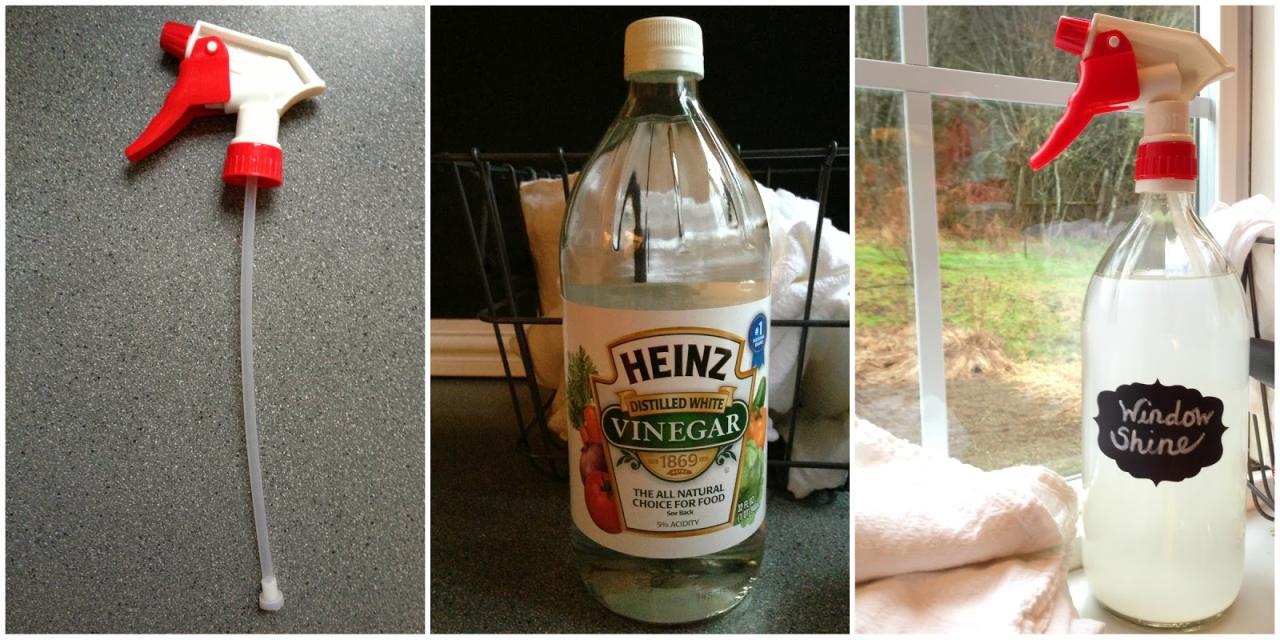
Transforming plain glass bottles into captivating pieces of art begins with careful consideration of design and color choices.
A well-considered aesthetic elevates the upcycled item, turning it into a unique and personalized piece. This section will guide you through various design ideas and explore the impact of different spray paint colors on the final outcome.
Design Ideas for Upcycled Glass Bottles
Various design ideas can be implemented to personalize glass bottles, ranging from simple to intricate. Consider incorporating geometric patterns, floral motifs, or abstract shapes. Decoupage techniques, using decorative paper or fabric, can add layers of texture and visual interest. Adding metallic accents, such as spray-painted or decoupaged foil, can lend an elegant touch. Embellishments like ribbons, beads, or small charms can also elevate the visual appeal and provide a personalized touch.
Spray Paint Colors and Their Effects
The choice of spray paint color significantly impacts the overall aesthetic. A vibrant hue can create a bold statement, while a softer tone can evoke a more subtle or calming effect. Metallic finishes, such as gold, silver, or bronze, can add a touch of sophistication and glamour. Pastels, such as lavender, mint green, or light peach, lend a delicate and airy quality.
Consider the color wheel and its principles when selecting color combinations.
Inspiration from Existing Upcycled Glass Bottle Projects
Numerous upcycled glass bottle projects showcase the potential for creativity and innovation. Examples include bottles transformed into decorative candle holders, with intricate paint designs and metallic accents. Other projects have showcased bottles repurposed as unique planters, adorned with floral patterns and complementary colors. The diversity of projects provides a wealth of ideas and inspiration.
Spray Paint Colors and Associated Moods/Themes
| Spray Paint Color | Associated Mood/Theme |
|---|---|
| Deep Teal | Serene, calming, and natural |
| Bold Red | Energetic, passionate, and bold |
| Muted Lavender | Tranquil, peaceful, and feminine |
| Metallic Gold | Luxurious, elegant, and sophisticated |
| Dusty Rose | Romantic, charming, and nostalgic |
| Lime Green | Fresh, vibrant, and playful |
| Matte Black | Modern, sleek, and sophisticated |
Color Combinations and Their Impact
Color combinations significantly influence the aesthetics of the upcycled bottle. Complementary colors, positioned opposite each other on the color wheel, create a striking contrast. Analogous colors, located next to each other on the color wheel, produce a harmonious and balanced effect. Triadic color combinations offer a vibrant and energetic look. Consider the specific colors of the bottle’s original design to ensure they harmonize with the chosen color scheme.
A good rule of thumb is to balance bright colors with muted ones or vice-versa.
Applying the Spray Paint
Applying spray paint to glass bottles effectively is crucial for achieving a professional and aesthetically pleasing upcycled piece. Proper technique, safety precautions, and attention to detail are paramount to a successful outcome. Careful consideration of the spray paint application process will lead to a superior final product.Applying spray paint to glass bottles requires a precise approach, emphasizing even coverage and minimizing imperfections.
This section details the steps to achieve a high-quality finish, from preparing the workspace to handling potential issues.
Spray Paint Application Technique
A consistent and controlled spraying technique is essential for achieving even coverage. Hold the spray can approximately 6-8 inches from the surface of the bottle, maintaining a steady and even motion. Avoid spraying in one spot for extended periods, as this can lead to uneven drying and potentially pooled paint. Overlap slightly with each pass to ensure complete coverage and avoid any gaps or missed areas.
Ventilation and Safety Precautions
Adequate ventilation is critical when spraying paint. Work in a well-ventilated area, such as outdoors or in a garage with an open door and fan. If working indoors, use a powerful exhaust fan to remove airborne spray paint particles. Always wear appropriate personal protective equipment (PPE), including safety glasses, a respirator mask, and gloves. This will protect you from inhaling fumes and from potential skin irritation.
Furthermore, work in a clean and organized area to prevent accidents and to maintain a safe workspace.
Multiple Thin Coats for Even Coverage
Applying multiple thin coats of spray paint is far superior to a single, thick coat. Thin coats allow the paint to dry completely between applications, promoting adhesion and preventing drips or runs. This method ensures even coverage and a smoother finish. Begin with a light coat, allowing it to dry completely before applying the next. Repeat this process until you achieve the desired opacity.
The drying time will depend on the type of spray paint and environmental conditions, so refer to the manufacturer’s instructions for specific guidelines.
Handling Drips, Runs, and Imperfections
Drips, runs, and imperfections are common occurrences when spraying paint, especially on vertical surfaces. To address drips, use a clean, dry cloth or paper towel to carefully remove the excess paint immediately after it has formed. For runs, wait for the paint to dry completely, then use a fine-grit sandpaper to gently smooth the affected area. Any visible imperfections can be addressed with a touch-up application of spray paint, ensuring the color matches precisely.
Be cautious not to apply too much touch-up paint, as this can create additional issues.
Step-by-Step Guide for Applying Spray Paint
- Prepare the Workspace: Ensure a clean, well-ventilated area. Cover any surfaces that you don’t want to get paint on. Put on your safety gear (safety glasses, respirator, gloves).
- Prepare the Bottle: Clean the bottle thoroughly, removing any dust, dirt, or residue. Allow the bottle to dry completely.
- Apply the First Coat: Hold the spray can 6-8 inches from the bottle, and spray in a light, even motion. Overlap slightly with each pass. Allow the first coat to dry completely.
- Repeat Applications: Apply subsequent thin coats, allowing each to dry completely before the next. This will prevent runs and ensure even coverage.
- Address Imperfections: Carefully handle any drips or runs, using a clean cloth or sandpaper if necessary. Touch up any areas that require additional paint, ensuring a perfect match.
- Final Touch: Once all coats are dry, inspect the bottle for any remaining imperfections. If necessary, apply a final coat for desired opacity.
Finishing Touches and Personalization
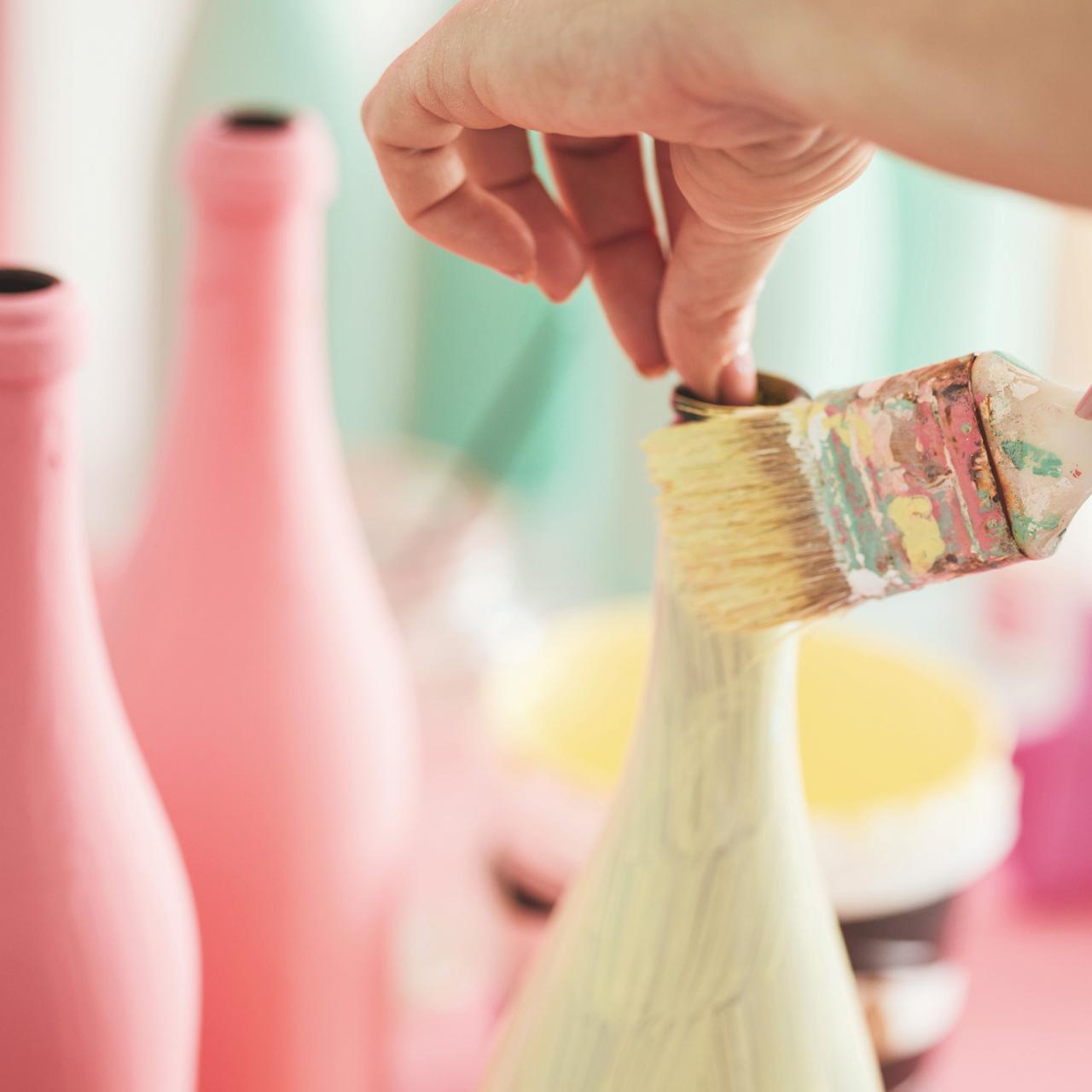
Transforming plain glass bottles into unique pieces involves more than just a coat of paint. Adding finishing touches and personalizations is key to creating truly one-of-a-kind items. These embellishments can enhance the aesthetics, reflect personal style, and add a touch of artistry to the upcycled creations. This section will explore various techniques and examples to help you personalize your painted glass bottles.Adding embellishments significantly elevates the aesthetic appeal of your upcycled glass bottles.
The process allows you to tailor the final product to your preferences and create truly personalized pieces. By incorporating various embellishments, you transform simple painted bottles into unique and visually captivating objects.
Embellishment Techniques
A variety of methods can be employed to add visual interest and personality to the painted bottles. These techniques range from simple to intricate, allowing for customization based on the desired level of complexity and the overall design concept.
- Decals: Pre-cut adhesive decals, often featuring designs, patterns, or text, are easily applied to the painted surface. They provide a quick and effective way to add visual complexity to the upcycled bottles. For example, a whimsical floral decal could be placed on a painted glass vase to create a unique floral arrangement holder.
- Stencils: Stencils offer a way to create intricate patterns or designs. A variety of stencils, ranging from simple geometric shapes to elaborate floral motifs, can be used. For example, a stencil with a repeating pattern can be used to create a patterned band around a painted bottle.
- Glitter: Glitter adds a touch of sparkle and shine to the painted bottles. Various types of glitter, from fine to chunky, can be applied to enhance the visual appeal. For instance, a few strategically placed dabs of glitter on a painted glass jar can create a touch of glamour.
- Metallic Paints: Applying metallic paints, such as gold, silver, or bronze, creates a sophisticated and luxurious look. Metallic paints can be used as accents or as a base coat for additional embellishments. For example, a metallic paint can be used to highlight a design or to add a touch of glamour to a painted bottle.
- Beads and Ribbons: Beads and ribbons can be glued or tied to the painted bottles to add a touch of texture and visual interest. Different sizes and colors of beads can be used to create a custom look. For instance, small beads can be strung along the neck of a painted glass bottle, while ribbons can be tied around the body.
Sealing the Painted Glass
Proper sealing is crucial to protect the painted finish and ensure the upcycled bottles can withstand everyday use. This ensures longevity and prevents the paint from chipping or flaking off.
- Clear Coat: Applying a clear sealant coat over the painted surface creates a protective barrier against scratches, scuffs, and moisture. This enhances the durability and longevity of the painted finish. A clear coat can be applied using a spray can or brush, following the manufacturer’s instructions.
- Water Resistance: To make the painted surface water-resistant, use a specialized sealant designed for glass. These sealants are specifically formulated to resist moisture and protect the paint from water damage. This is particularly important for bottles that will be used in wet environments. For example, if you are creating a painted glass container for storing food, sealing the painted surface is essential for food safety.
Embellishment Ideas Table
| Embellishment | Description | Image |
|---|---|---|
| Decals | Pre-cut adhesive designs for quick application. | (Imagine a picture of a bottle with a decal of flowers.) |
| Stencils | Create intricate patterns or designs with stencils. | (Imagine a bottle with a stencilled geometric pattern.) |
| Glitter | Adds sparkle and shine with various glitter types. | (Imagine a bottle with a layer of glitter on top of a painted surface.) |
| Metallic Paints | Enhance the look with gold, silver, or bronze paints. | (Imagine a bottle with a metallic paint design as a border.) |
| Beads and Ribbons | Add texture and visual interest with beads and ribbons. | (Imagine a bottle with beads strung around the neck and a ribbon tied around the body.) |
Creative Project Ideas
Transforming ordinary glass bottles into unique and captivating pieces is a rewarding experience. This section explores diverse project ideas, ranging from simple to elaborate designs, showcasing the versatility of upcycled glass bottles. From elegant vases to functional candle holders, the possibilities are virtually endless.A variety of techniques can be employed to personalize and enhance the aesthetics of the upcycled glass bottles.
Spray paint offers a quick and easy method to add color and design elements, while decoupage, fabric wrapping, or other embellishments can create more complex and artistic pieces. The creativity is limited only by your imagination.
Vases
Upcycled glass bottles make stunning vases, perfect for displaying fresh flowers or dried botanicals. The varying shapes and sizes of glass bottles offer a wide array of options for different flower arrangements. Consider the size of the bottle in relation to the type of flowers or foliage you intend to arrange. A tall, slender bottle will showcase tall, elegant blooms, while a shorter, wider bottle might be better suited for a bouquet of smaller flowers.
- A classic example is a simple, clear glass bottle painted with a vibrant hue, creating a modern, minimalist vase. The clean lines of the bottle, combined with a bold color, highlight the beauty of the flowers within.
- For a more intricate design, consider painting a decorative pattern or design on the bottle’s surface. This could include geometric shapes, floral motifs, or abstract patterns. The added detail creates a unique and personalized touch.
- To add texture, consider using a textured spray paint or applying decoupage elements. This technique creates depth and dimension, enhancing the visual appeal of the vase.
Candle Holders
Transforming glass bottles into candle holders is a practical and aesthetically pleasing project. The unique shapes and sizes of glass bottles provide a variety of options for candle holders, each one offering a distinct visual appeal.
- A simple clear glass bottle, with a few carefully placed paint accents, creates a modern and sophisticated candle holder. The transparency of the glass allows the candle’s flame to shine through, creating a warm and inviting ambiance.
- Consider adding a decorative lid or top to the bottle to further enhance its appeal as a candle holder. This can be a painted metal lid, a piece of repurposed wood, or a decorative element made from another upcycled material.
- For a more elaborate design, consider painting intricate patterns or designs on the bottle’s exterior. This could involve floral patterns, geometric shapes, or abstract designs.
Decorative Displays
Upcycled glass bottles can be transformed into captivating decorative displays for various items. The possibilities are endless, limited only by your imagination.
- Use a collection of different-sized bottles to create a visually appealing display. Varying the heights and shapes will add depth and dimension to the arrangement.
- Paint the bottles in a coordinating color palette to create a cohesive display. This can involve using a single color or a combination of colors that complement each other.
- Fill the bottles with small decorative objects, such as pebbles, shells, or figurines, to create unique and personalized displays. The items you choose should complement the color and design of the bottles, creating a visually appealing and harmonious display.
Troubleshooting and Common Mistakes
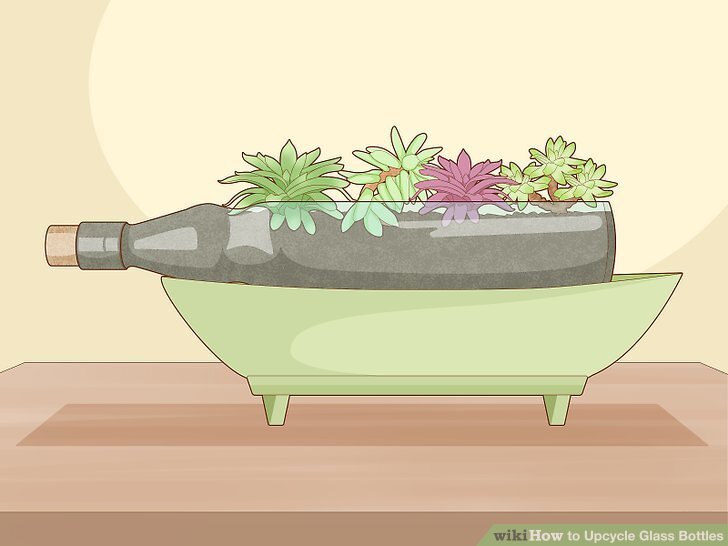
Upcycling glass bottles with spray paint can be a rewarding experience, but unexpected issues can sometimes arise. Understanding common problems and their solutions is crucial for achieving a professional-looking and successful project. This section will guide you through potential difficulties and provide effective troubleshooting strategies.Spray paint application can sometimes result in unwanted outcomes, like uneven coverage, paint runs, or bubbles.
These problems are often easily rectified with the right knowledge and technique. This section will equip you with the necessary steps to fix these issues and prevent future problems.
Identifying Paint Runs
Paint runs, where the paint flows down the surface, are a common issue, particularly on vertical surfaces or when the paint is too thin or applied too quickly. They often appear as streaks or rivulets of paint. The best approach is to prevent runs from occurring in the first place.
- Use a thin, even coat of paint.
- Apply paint in a smooth, controlled manner.
- Allow each coat to dry completely before applying subsequent coats.
- Ensure the bottle is held at an appropriate angle to distribute the paint evenly.
Addressing Bubbles
Bubbles in the paint can detract from the aesthetic appeal of your upcycled project. These are typically caused by trapped air within the paint or by improper application technique. Careful preparation and application techniques are key to avoiding this problem.
- Ensure the bottle surface is thoroughly cleaned and free of dust or debris.
- Shake the can vigorously to thoroughly mix the paint.
- Apply paint in a light, even manner.
- Hold the spray can at a consistent distance from the bottle.
- Apply several thin coats rather than one thick coat.
Handling Uneven Coverage
Uneven paint coverage can arise from various factors, including inconsistent application, improper spray distance, or insufficient paint on the surface. This issue results in an aesthetically displeasing finish. Attention to detail and consistent technique are vital to achieving a uniform finish.
- Ensure the spray can is held at a consistent distance from the bottle.
- Move the spray can smoothly across the surface in overlapping patterns.
- Maintain a steady hand and avoid jerky movements.
- Apply multiple thin coats to ensure even coverage.
Dealing with Paint Consistency Issues
Paint that is too thick or too thin can lead to problems during application. The right consistency is essential for achieving a smooth, even finish. Always check the paint’s consistency before applying it to a bottle.
- Too thick: Add a small amount of thinner to the paint, following the manufacturer’s instructions, to achieve the ideal consistency.
- Too thin: Allow the paint to sit for a short period, or add a small amount of paint to the can. This will increase the paint’s viscosity.
Preventing Common Mistakes
Prevention is often better than cure. Understanding common mistakes and implementing preventative measures can significantly improve the outcome of your project. Careful preparation and precise application techniques are crucial for success.
- Properly clean the bottle before painting to ensure good adhesion.
- Shake the spray paint can thoroughly before each use.
- Apply thin, even coats.
- Allow sufficient drying time between coats.
- Use appropriate safety precautions, including proper ventilation and protective gear.
Troubleshooting Table
| Issue | Cause | Solution |
|---|---|---|
| Paint Runs | Too thin paint, fast application | Thin coats, slower application, check paint consistency |
| Bubbles | Trapped air, improper application | Thorough shaking, even application, multiple thin coats |
| Uneven Coverage | Inconsistent application, incorrect distance | Consistent distance, overlapping patterns, multiple thin coats |
| Paint too thick | Insufficient thinner | Add thinner according to manufacturer’s instructions |
| Paint too thin | Too much thinner | Reduce thinner or allow paint to settle |
Wrap-Up
This guide has provided a thorough overview of the upcycling process, equipping you with the knowledge and inspiration to transform discarded glass bottles into beautiful, personalized decorative items. From cleaning and preparation to design choices, paint application, and finishing touches, we’ve covered every essential aspect. Embrace the creative journey, explore the possibilities, and unleash your artistic flair!