Transforming ordinary greeting cards into beautiful gift tags is a delightful and eco-friendly way to personalize your presents. This comprehensive guide walks you through every step, from initial preparation to final embellishments. Learn how to breathe new life into discarded cards and create unique, handcrafted tags that add a special touch to every gift.
Discover a wealth of creative possibilities, from simple designs to intricate embellishments. We’ll explore various card types, essential materials, and a range of techniques to achieve a truly personalized and stylish look for your upcycled gift tags.
Introduction to Upcycling Greeting Cards
Upcycling is the art of transforming discarded materials into something new and valuable. This creative process not only reduces waste but also fosters resourcefulness and ingenuity. By repurposing items that would otherwise be thrown away, we contribute to a more sustainable lifestyle and discover unique artistic expressions. Transforming greeting cards into gift tags is a perfect example of upcycling, allowing us to create personalized and eco-conscious gifts.Greeting cards, often bearing heartfelt messages and cherished memories, are frequently discarded after use.
This method of upcycling elevates these discarded cards from waste to functional decorative elements. The transformation from a generic greeting card into a personalized gift tag is a simple and rewarding process, creating a tangible reminder of the recipient’s special occasion. This technique provides a unique and personal touch to gift wrapping.
Types of Greeting Cards Suitable for Upcycling
A wide range of greeting cards can be transformed into elegant gift tags. The most suitable cards typically feature a design that complements the gift and occasion. Consider cards with:
- Distinct and appealing imagery or patterns, which can be incorporated into the gift tag design. These images may range from floral motifs to abstract designs, providing a visual narrative or theme to the gift.
- Solid or patterned backgrounds, offering a canvas for creative embellishments and personalization. The color and texture of the background can complement the gift’s theme and overall aesthetic.
- Motivational or inspirational quotes, which can be incorporated as a thoughtful message on the tag. These quotes can provide a touch of personal sentiment to the gift and add a layer of meaning.
Aesthetic Appeal and Versatility of Upcycled Gift Tags
Upcycled gift tags possess a unique charm, offering an alternative to mass-produced options. Their aesthetic appeal is highly versatile, allowing for customization to match various gift themes and styles. The artistic and personal touch added by repurposing greeting cards elevates the gift presentation. These customized tags offer a tactile experience, differentiating them from other gift-wrapping accessories.
Comparison of Card Types for Upcycling
The choice of card material significantly impacts the final appearance and longevity of the gift tag. A comparison of different card types is provided below:
| Card Type | Pros | Cons |
|---|---|---|
| Cardstock | Durable, thick, holds embellishments well, creates a professional look. | Can be slightly more expensive, may be heavier than other options. |
| Printed Paper | Wide variety of designs and patterns, often affordable. | Can be less durable, might tear or crease more easily. |
| Recycled Paper | Eco-friendly, often with unique textures and patterns. | May not be as sturdy as other options, might require extra reinforcement. |
| Thick Paper/Board | Stronger than standard paper, suitable for intricate designs. | May be heavier than other options, might require more time to cut and shape. |
Gathering Supplies and Tools
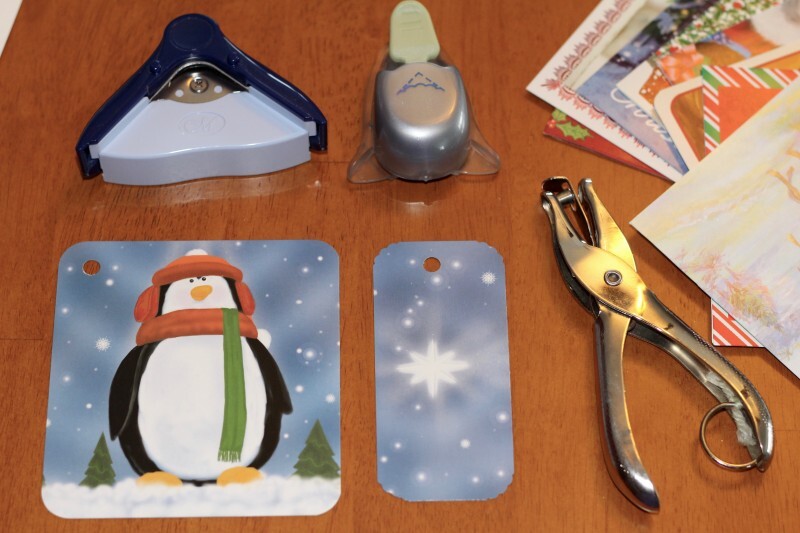
Transforming used greeting cards into charming gift tags requires a thoughtfully selected set of materials and tools. Careful consideration of these elements ensures a smooth and satisfying crafting experience, ultimately resulting in high-quality, personalized gift tags. The right tools and materials facilitate the process, allowing for precise cuts and strong bonding, crucial for the longevity and aesthetic appeal of the finished product.Proper preparation is key to successful upcycling.
A well-stocked craft kit ensures you have everything needed to transform greeting cards into personalized gift tags. Choosing the right supplies will save you time and effort in the long run, leading to a more enjoyable and productive crafting session.
Essential Materials
Greeting cards are the foundational material for this upcycling project. Select cards with designs that complement the intended gift or theme. High-quality cardstock offers better durability and allows for more intricate designs. Additionally, consider the size and shape of the greeting cards to ensure a good fit for your chosen gift tag format.
Types of Scissors and Tools
A good pair of craft scissors is essential for precise cutting of the greeting cards. Sharp, well-maintained scissors are crucial for cleanly cutting the cardstock, reducing the need for multiple cuts and ensuring a clean and professional finish. Other helpful tools include craft knives, bone folders, and scoring tools, which aid in creating intricate shapes and folds, adding depth and dimension to the gift tags.
Specialized scoring tools create crisp folds for embellishments.
Adhesive Selection
Choosing the right adhesive is critical for bonding different cardstock thicknesses and materials securely. For thinner cardstock, a strong craft glue or double-sided tape works well. For thicker cardstock, consider using a heavier-duty adhesive such as a strong craft glue or a specialized adhesive designed for cardstock, such as a double-sided foam tape. Applying the adhesive carefully and evenly is key for a lasting bond.
Avoid adhesives that are too runny, as these may cause the cardstock to become warped or lose its shape over time.
Alternative Materials for Enhancement
Adding alternative materials enhances the aesthetic appeal and functionality of the gift tags. Ribbons, twine, glitter, sequins, and decorative elements like buttons, charms, or small embellishments can add visual interest and personality to the tags. The choice of embellishments should complement the design of the greeting card and the overall theme of the gift. Embellishments can be glued or attached using other methods.
Supply List and Functions
| Supply | Function |
|---|---|
| Greeting Cards | Source material for gift tags |
| Craft Scissors | Precise cutting of cardstock |
| Craft Knife | Cutting intricate shapes |
| Bone Folder | Creating crisp folds |
| Scoring Tool | Creating intricate folds |
| Craft Glue | Adhesive for bonding |
| Double-Sided Tape | Adhesive for bonding (thinner cardstock) |
| Double-Sided Foam Tape | Adhesive for bonding (thicker cardstock) |
| Ribbons/Twine | Adding decorative elements |
| Glitter/Sequins | Adding visual interest |
| Embellishments (buttons, charms) | Adding personality and detail |
Preparing the Greeting Cards
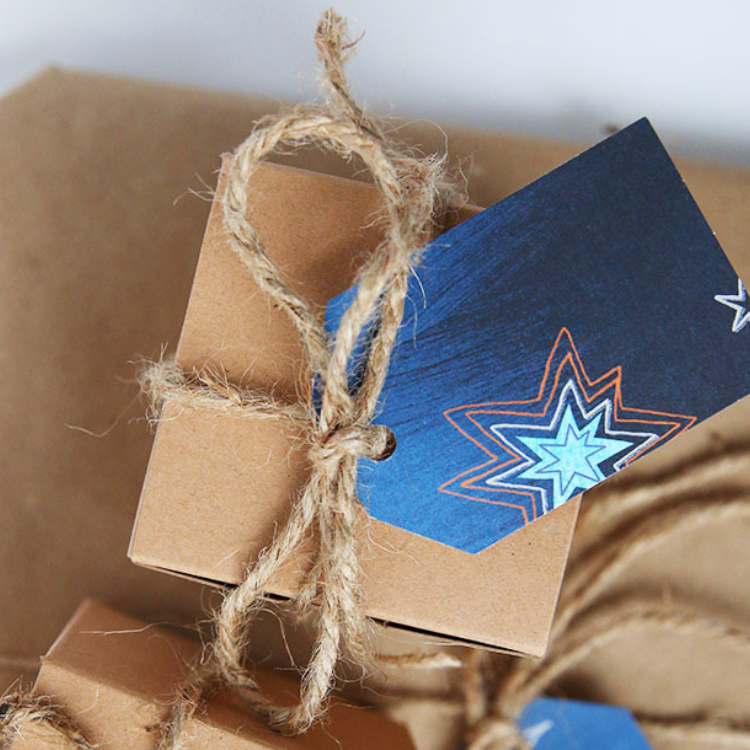
Transforming used greeting cards into decorative gift tags requires careful preparation. This involves removing any unwanted elements, cleaning or refining the card’s surface, and potentially cutting or trimming it to achieve the desired shape. These steps ensure a clean and presentable final product, ready for its new purpose.
Removing Unwanted Elements
To effectively prepare the greeting cards, the first step is to remove any elements that are not desired on the final gift tag. This might include excess paper, embellishments, or even the original message. Carefully detach these elements using scissors or tweezers, being mindful not to damage the card stock. For example, if the card features a large sticker, carefully peel it off to avoid tearing the card.
Cleaning or Refining the Cards
Once the unwanted elements are removed, the next step is to clean or refine the card’s surface. This step enhances the card’s overall appearance. Techniques include using a damp cloth to gently remove smudges or dust, or applying a light coat of clear sealant to protect the card from further damage. This process ensures a smooth and polished surface, ready for the next steps.
Cutting or Trimming the Cards
Determining the desired shape for the gift tag is crucial. Depending on the intended design, the card might need to be trimmed to a specific size or shape. This can be done with craft scissors or a rotary cutter, ensuring a clean and precise cut. For example, if the desired tag is rectangular, use a ruler to guide the cuts for even trimming.
Step-by-Step Procedure for Preparing the Cards
| Step | Action | Details |
|---|---|---|
| 1 | Inspect the Card | Examine the card for unwanted elements like stickers, embellishments, or excess paper. |
| 2 | Remove Unwanted Elements | Carefully detach any unwanted elements using scissors or tweezers. |
| 3 | Clean the Card | Use a damp cloth to remove smudges or dust. If needed, apply a light coat of clear sealant for protection. |
| 4 | Determine the Desired Shape | Decide on the desired shape for the gift tag (e.g., rectangle, circle, heart). |
| 5 | Cut or Trim the Card | Use craft scissors or a rotary cutter to achieve the desired shape and size. Use a ruler for precise cuts. |
Crafting the Gift Tags
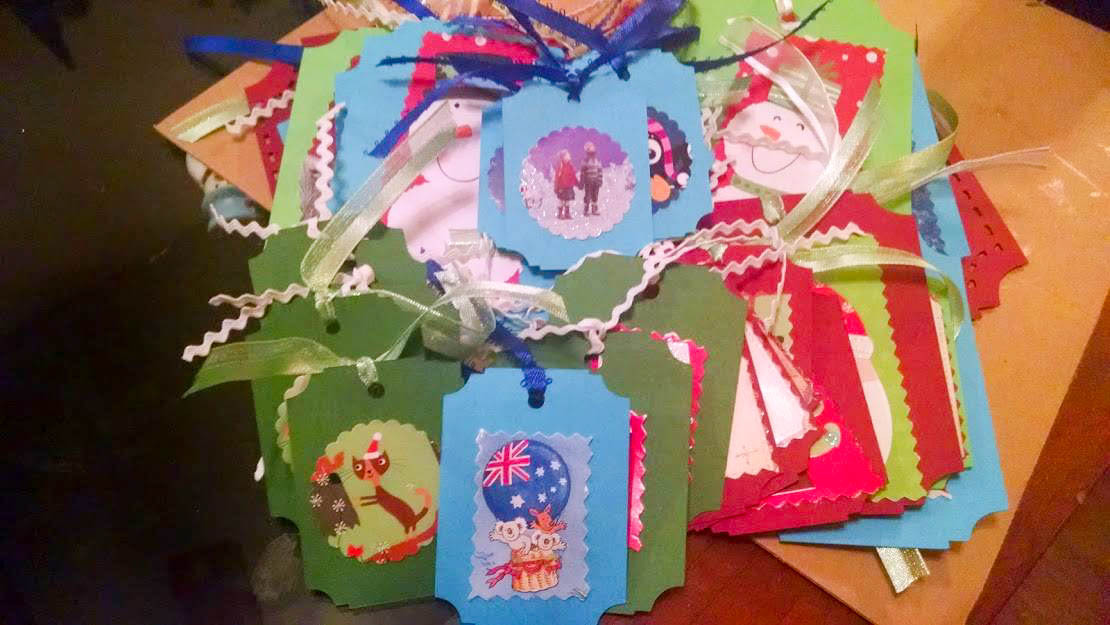
Transforming greeting cards into personalized gift tags allows for a unique and thoughtful touch. This section details various design and embellishment techniques, providing inspiration for crafting distinctive gift tags.Careful consideration of design and embellishments can elevate the gift-giving experience. By incorporating these elements, you can create gift tags that are not only functional but also visually appealing, reflecting the recipient’s interests or the occasion.
Gift Tag Designs and Styles
Different designs can be used to create visually appealing gift tags. Consider the theme of the gift and the recipient’s preferences when selecting a style. Simple designs, such as a clean, minimalist style, can be elegant and timeless. More elaborate designs can include intricate patterns, watercolor washes, or artistic illustrations. For example, a birthday gift might benefit from a playful design, while a thank-you gift might suit a more formal, elegant style.
Adding Embellishments
Embellishments are key to making upcycled gift tags stand out. A variety of materials can be used to add texture and visual interest. These include stickers, glitter, sequins, beads, buttons, and ribbon. Careful selection of embellishments will enhance the aesthetic appeal of the tags.
Incorporating Decorative Elements
Ribbons, twine, and other decorative elements can be used to create a cohesive and visually appealing look. For example, using a ribbon that matches the gift’s wrapping paper creates a coordinated look. Twine in a complementary color can add a rustic touch. These elements not only add visual appeal but also help tie the gift tag securely to the present.
Creating Different Shapes and Sizes
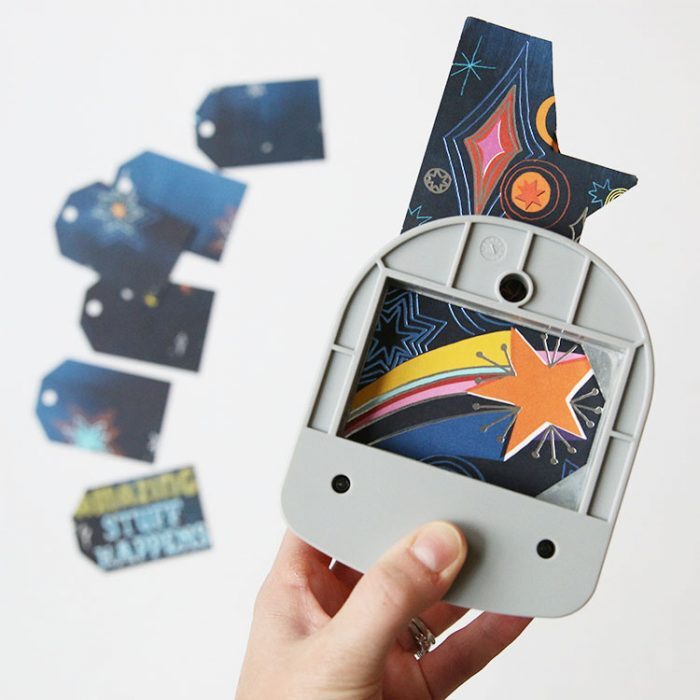
Gift tags can be cut into various shapes and sizes. Simple rectangles or squares are straightforward options. More elaborate shapes, such as hearts, stars, or circles, can be cut from the greeting cards. Consider the shape of the gift when selecting a tag shape to enhance visual appeal. If the gift is in a box, a rectangular tag might be suitable.
If it’s a small item, a smaller, decorative tag will work well. The size of the tag should also be proportionate to the size of the gift.
Embellishment Options and Effects
| Embellishment | Effect | Example |
|---|---|---|
| Stickers | Adds a pop of color and personality | Small animal stickers for a child’s gift |
| Glitter | Creates a shimmering effect | Glitter glue on a birthday tag |
| Sequins | Adds a touch of sparkle and sophistication | Sequins on a gift tag for a wedding |
| Beads | Adds texture and dimension | Small, colorful beads for a party gift |
| Buttons | Adds a touch of vintage charm | Vintage-style buttons for a handmade gift |
| Ribbons | Adds a touch of elegance and ties the gift together | Matching ribbon for a gift basket |
| Twine | Adds a rustic and natural feel | Natural twine for a homemade craft |
Advanced Techniques and Ideas
Elevating your greeting card upcycling project to the next level involves exploring innovative techniques and embellishments. This section delves into advanced methods for crafting intricate designs, personalizing gift tags with stencils and stamps, and effectively utilizing color palettes to create visually appealing and memorable gift tags.By mastering these advanced techniques, you can transform simple greeting cards into truly unique and personalized gifts, adding a touch of artistry and flair to your upcycling endeavors.
Innovative Design Ideas
Several innovative ideas can transform simple greeting cards into truly unique gift tags. Consider incorporating patterned paper or fabric scraps to add visual texture. Intricate paper cuts or die-cut designs can elevate the gift tags, creating an artistic touch. Adding a personal touch through hand-lettered messages or quotes can personalize the gift tags and add a meaningful element.
Intricate Design Techniques
Crafting intricate designs on gift tags requires specific techniques. Using a fine-tipped pen or marker for detailed illustrations or calligraphy can create elaborate patterns. Applying decoupage techniques, using patterned papers and adhering them to the gift tags, can add a layered aesthetic. Embossing techniques can add a raised texture and visual interest to the gift tags.
Personalization with Stencils and Stamps
Stencils and stamps offer a quick and effective method for personalizing gift tags. Choosing stencils with unique patterns or designs can add a personalized touch. Using stamps with inspirational quotes or symbols can further enhance the gift tags’ meaning and aesthetic appeal. Experimenting with different stamp colors and ink types can create varied effects.
Color Palette Selection
Color palettes significantly influence the visual impact of the gift tags. Consider the recipient and the occasion when selecting colors. Using complementary or analogous color palettes can create a harmonious and visually appealing effect. Monochromatic palettes can create a sophisticated and calming feel. A combination of bold and muted colors can create a striking visual effect, drawing attention to the gift tags.
Embellishment Combinations
The following table Artikels various embellishment combinations for crafting unique gift tags:
| Embellishment Combination | Description |
|---|---|
| Patterned Paper + Hand-lettered Quote + Metallic Accents | A combination of patterned paper, hand-lettered quotes, and metallic accents adds visual interest and a personal touch. |
| Die-cut Shapes + Stencil Design + Fabric Scraps | Die-cut shapes create a unique base for adding a stencil design and fabric scraps for textural contrast. |
| Embossed Texture + Watercolor Painting + Decoupage | An embossed texture provides a base for a watercolor painting, enhanced by adding a decoupage element. |
| Metallic Foil Stamping + Monochromatic Palette + Ribbon | Metallic foil stamping on a monochromatic palette, with a coordinating ribbon, creates a sophisticated and elegant gift tag. |
Troubleshooting and Tips
Upcycling greeting cards into gift tags can be a rewarding experience, but occasional challenges may arise. Understanding potential issues and their solutions will ensure a smooth and successful project. This section provides practical advice to overcome common problems and maintain the quality of your creations.Addressing issues promptly can prevent costly mistakes and ensure the integrity of your design. Proper preparation and attention to detail are key to avoiding common problems and producing beautiful, lasting gift tags.
Common Adhesive Issues
Adhesives play a crucial role in the upcycling process. Choosing the right adhesive and applying it correctly are essential for a strong and lasting bond. Issues like adhesive failing to adhere, or the adhesive becoming visible, are frequently encountered. Incorrect application techniques, inappropriate adhesive types for the materials, or insufficient drying time are common culprits. Using the correct adhesive for the specific materials and ensuring adequate drying time will prevent these issues.
Experimentation and research into suitable adhesives for cardstock, paper, and other materials will enhance your understanding. Consider the weight of the materials and the amount of stress the gift tag will endure when selecting the adhesive.
Material-Related Challenges
The materials used in the upcycling process can present various challenges. Variations in paper quality, ink type, or cardstock thickness can influence the outcome. Paper that is too thin might tear easily when folded or manipulated. Ink on greeting cards can smudge or transfer to other materials during the crafting process. Choosing high-quality cardstock and paper, and handling materials carefully, are important preventive measures.
Consider the type of paper for each step, whether it is for layering or cutting. Using a protective surface to prevent ink smudging is also a good practice.
Maintaining Quality and Preventing Mistakes
Maintaining the quality of your upcycled gift tags involves careful handling and consideration of the materials. Incorrect folding techniques or excessive pressure can damage the cardstock or paper, leading to undesirable results. Sharp tools, like scissors or craft knives, need to be handled with precision to avoid accidental cuts or damage to the gift tags. Maintaining a clean workspace and using appropriate tools will help you to avoid such issues.
Troubleshooting Tips
- Choose the right adhesive: Select an adhesive appropriate for the weight and type of materials used. Test the adhesive on a scrap piece of paper to determine if it is suitable.
- Ensure proper drying time: Allow adequate drying time for the adhesive to cure completely before handling or applying further layers.
- Handle materials carefully: Avoid excessive force or pressure during folding, cutting, or layering to prevent damage.
- Use protective surfaces: Work on a protective surface to prevent ink smudging or transferring during the crafting process. Consider using a cutting mat for paper cutting.
- Practice on scrap materials: Before working on your final gift tags, practice your techniques on scrap pieces of paper to refine your process and avoid mistakes.
- Store gift tags properly: Store finished gift tags in a cool, dry place to prevent damage from moisture or warping.
Visual Inspiration

Embracing creativity and unique styles, upcycled gift tags offer a personalized touch. From simple elegance to bold statements, the visual appeal of these tags can elevate the presentation of any gift. Explore the diverse range of designs and embellishments to spark your own creative journey.
Diverse Designs and Styles
Various designs and styles of upcycled gift tags cater to different tastes and occasions. The choice of design should align with the gift’s recipient and the overall theme of the gift-giving event. This section offers a gallery of inspirational examples to stimulate your creative process.
Color Palette and Embellishments
The color palette and embellishments significantly impact the aesthetic appeal of the gift tag. Consider using colors that complement the gift’s wrapping or the recipient’s personality. Embellishments such as ribbons, buttons, or lace can add a touch of elegance and detail. These elements should be chosen carefully to enhance the overall presentation without overwhelming the tag.
Gallery of Upcycled Gift Tag Examples
This section presents a variety of upcycled gift tags, showcasing different design approaches.
- Rustic Charm: A tag crafted from a vintage postcard, featuring a faded floral design. A simple twine bow adds a rustic touch. The muted colors and delicate floral pattern create a calming and nostalgic aesthetic. This tag would complement a handcrafted gift or a gift for a nature lover.
- Modern Minimalism: A tag constructed from a geometric-patterned greeting card. Clean lines and bold colors evoke a contemporary feel. A minimalist design like this works well with modern gifts, emphasizing the simplicity and quality of the present.
- Whimsical Wonderland: A tag created from a whimsical children’s book page. The playful illustrations and vibrant colors bring a touch of joy and imagination. This tag suits gifts for children or a loved one with a childlike spirit. The vibrant color scheme and illustrative elements are sure to bring a smile to the recipient.
- Vintage Elegance: A tag fashioned from a vintage-style greeting card with elegant script. Delicate lace and a pearl embellishment add a touch of sophistication. This tag is perfect for gifts for a sophisticated recipient, such as a loved one who appreciates elegance and refinement.
Aesthetic and Emotional Impact
The aesthetic and emotional impact of the design hinges on the chosen colors, patterns, and embellishments. A vibrant color scheme can evoke feelings of joy and excitement, while muted tones can inspire tranquility and warmth. Consider the overall message you want to convey through the gift tag when making your selections. The visual presentation significantly impacts the emotional response of the recipient.
Design Style Comparison
The following table highlights different design styles for upcycled gift tags, accompanied by illustrative examples.
| Design Style | Description | Illustrative Image |
|---|---|---|
| Rustic Charm | Utilizes natural materials and muted colors to create a warm and inviting aesthetic. | Imagine a tag made from a weathered piece of paper, with a simple twine bow and a small pressed flower. |
| Modern Minimalism | Emphasizes clean lines, bold colors, and geometric patterns for a contemporary feel. | Envision a tag crafted from a card with a bold graphic pattern, featuring minimal embellishments. |
| Whimsical Wonderland | Incorporates playful illustrations, vibrant colors, and whimsical details to create a joyful and imaginative feel. | Picture a tag made from a children’s book page, featuring a whimsical illustration and colorful embellishments. |
| Vintage Elegance | Draws inspiration from vintage aesthetics, using delicate patterns, elegant script, and sophisticated embellishments to evoke a sense of timeless beauty. | Envision a tag crafted from an antique-style card, adorned with delicate lace, pearl embellishments, and elegant script. |
Concluding Remarks
In conclusion, upcycling greeting cards into gift tags is a rewarding project that combines creativity, sustainability, and personalization. This guide has provided a roadmap to transform discarded cards into beautiful and unique gift tags. With a little creativity and the right techniques, you can create beautiful, thoughtful, and environmentally friendly gift tags for all your gifting needs.