Transform discarded magazines into dazzling, colorful beads for stunning jewelry. This guide provides a comprehensive approach to upcycling, demonstrating the environmental benefits and creative possibilities of using recycled materials. Discover the step-by-step process, from gathering materials to assembling the finished pieces. Learn how to create unique bead designs, stringing techniques, and finishing touches to showcase your upcycled creations.
This comprehensive guide explores the entire process, from the initial collection of materials to the final presentation of your exquisite jewelry. We will delve into the intricacies of creating vibrant beads from magazine pages, discuss various stringing methods, and offer tips for crafting different jewelry styles. The project provides a wonderful opportunity to embrace sustainability while developing your crafting skills.
Introduction to Upcycling Magazines
Upcycling is the process of transforming discarded materials into something new and valuable. This innovative approach not only reduces waste but also contributes significantly to sustainability by minimizing environmental impact. It’s a creative and environmentally conscious practice that offers a unique opportunity to repurpose materials, reducing reliance on virgin resources and minimizing landfill waste.The process of upcycling magazines for crafting jewelry offers numerous benefits.
It provides a creative outlet, allows for personalized designs, and reduces the need to purchase new materials. The inherent beauty and variety in magazine designs, with their diverse patterns and colors, translates seamlessly into beautiful and unique jewelry pieces. This method of upcycling is a great way to turn something old and seemingly useless into something beautiful and functional.
Environmental Impact of Recycled Materials
Using recycled materials in jewelry making has a profound positive impact on the environment. By repurposing magazines, we reduce the demand for virgin paper, lessening the strain on forests and the associated environmental consequences. Manufacturing new materials necessitates considerable energy consumption and often involves harmful chemical processes. Using recycled materials mitigates these impacts and reduces the overall carbon footprint associated with jewelry production.
The reduced demand for virgin materials also helps to conserve natural resources and protects ecosystems.
Historical Examples of Crafting with Recycled Materials
Throughout history, humans have demonstrated ingenuity in repurposing discarded materials. For example, ancient civilizations used recycled materials for construction and everyday objects. In more recent times, artists and crafters have consistently found innovative ways to create art and functional objects from discarded materials, demonstrating a long-standing human practice of resourcefulness. This creative utilization of waste materials has not only served practical purposes but also showcased artistic talent and environmental awareness.
Magazine Types Suitable for Beading
Choosing the right magazine type for your beading project is crucial for achieving the desired aesthetic. The quality and characteristics of the paper will significantly influence the final result. Different magazine types possess varying paper qualities, making them suitable for specific crafting techniques. The table below Artikels suitable magazine types based on their paper quality and potential color variations.
| Magazine Type | Paper Quality | Color Variations |
|---|---|---|
| Fashion Magazines | Generally smooth, glossy paper | Vibrant colors, often bold and stylish |
| News Magazines | Heavier, slightly textured paper | Variety of colors, including muted tones and strong hues |
| Lifestyle Magazines | Often with a mix of paper qualities | Wide range of colors, from pastels to rich shades |
| Decorating Magazines | Usually glossy, or with textured finishes | A diverse array of colors, with patterns and images that can be incorporated into the design |
Gathering Materials and Tools
To embark on your upcycling journey, gathering the right materials and tools is crucial. Having the necessary supplies readily available will streamline the process and enhance your creative experience. A well-organized workspace will also contribute to a smoother and more enjoyable crafting session.Effective upcycling hinges on meticulous preparation. The materials you choose will directly impact the final product’s quality and aesthetics.
This section details the essential materials and tools, along with safe cutting techniques and appropriate adhesive choices. Following these guidelines will help you create beautiful and durable jewelry pieces.
Necessary Materials
A successful upcycling project requires a well-stocked collection of materials. The following table Artikels the essential items, their quantities, and descriptions:
| Item | Quantity | Description |
|---|---|---|
| Magazines | Multiple | Choose magazines with vibrant colors and interesting patterns. Consider different textures and paper types. |
| Scissors | 1 pair | Sharp, quality scissors are essential for precise cutting. |
| Glue | 1 bottle | Select a glue specifically designed for paper crafts. Different glues are suited for varying paper types, as detailed below. |
| Beading needle (optional) | 1 or more | For stringing beads onto wire or thread. |
| Jewelry wire (optional) | As needed | For creating necklaces, bracelets, or other jewelry pieces. |
| Small container for glue | 1 | Keep glue organized in a container with a lid. |
| Ruler (optional) | 1 | For precise measurements, especially when creating uniform bead sizes. |
Safe and Effective Cutting Techniques
Proper cutting techniques ensure that your magazine strips are uniform and ready for beading. Care should be taken to prevent accidental cuts and maintain a clean workspace.
- Place the magazine page flat on a sturdy surface.
- Use a ruler (optional) to mark consistent cutting lines. This helps create uniform bead sizes.
- Cut along the marked lines using sharp scissors. Hold the magazine firmly to avoid slippage and ensure clean cuts.
- Be mindful of your surroundings and ensure you are cutting in a well-ventilated area.
- Use sharp, quality scissors to prevent tears and ensure clean cuts. Consider using craft scissors designed for paper or fabric.
Suitable Glues for Paper Crafts
Different glues offer varying drying times and application methods, impacting the overall project. Choosing the right glue ensures the longevity and integrity of the beads.
| Glue Type | Drying Time | Application Method |
|---|---|---|
| Craft glue (e.g., PVA glue) | Typically 1-2 hours | Apply a thin layer of glue to the bonding surfaces. |
| Glue stick | Fast drying (minutes) | Ideal for quick projects; apply glue directly to the area needing to be joined. |
| Hot glue | Very fast drying (seconds) | Requires a hot glue gun for application. |
Storing and Organizing Materials
Efficient material organization contributes to a more productive crafting experience. Clear storage solutions help maintain order and allow easy access to needed items.
- Store magazines in a designated area to prevent damage and keep them organized.
- Keep scissors in a safe place to prevent accidental injuries. Consider a dedicated scissor holder or a drawer for storage.
- Store glue and other craft supplies in a well-organized container or drawer. Clearly label containers for easy identification.
- Organize your cutting space to prevent clutter and accidents.
- For larger projects, consider a dedicated craft area with ample space for spreading out materials.
Creating Magazine Strips
Transforming magazine pages into colorful beads requires careful preparation of the strips. This crucial step significantly impacts the final bead’s appearance and durability. Understanding the different techniques and considerations for strip creation ensures a smooth and successful beading process.Different techniques for creating strips from magazine pages offer various aesthetic possibilities. One common method involves carefully cutting pages into long, narrow strips using a sharp craft knife or a pair of scissors.
Another technique involves tearing the pages into strips, a faster method that can produce interesting textures. The chosen technique will depend on the desired outcome and the type of magazine paper.
Strip Width and Length Considerations
The width and length of the strips are critical factors influencing the final bead’s size and shape. A consistent strip width ensures uniformity in the beads, while varying widths can create unique patterns. The length of the strips determines the number of beads that can be made from a single page. Strips that are too short will result in a limited number of beads, while excessively long strips may be challenging to handle.
Careful consideration of these factors will yield a more satisfying beading experience.
Types of Magazine Paper and Their Impact
Magazine paper varies significantly in thickness and texture. Glossy paper, commonly used for advertisements, tends to be more delicate and prone to tearing. Matte paper, often found in articles, is typically more durable and less prone to fraying. The paper’s weight also affects the bead’s thickness and the overall appearance. Knowing the paper type will guide you in choosing the appropriate technique for creating strips.
Step-by-Step Guide for Preparing Strips
Proper preparation is vital for achieving uniform and durable beads. The process begins by selecting the pages from the magazine with desired colors and patterns. Then, lay the pages flat on a stable surface. Using a sharp craft knife or scissors, carefully cut the pages into strips of a consistent width. Ensure the strips are long enough to create the desired number of beads.
Avoid uneven cuts or tears that could weaken the strips.
Importance of Paper Quality for Bead Durability
The quality of the magazine paper directly impacts the durability of the beads. High-quality paper, with its strength and consistent texture, creates beads that are less prone to breaking or fraying. Conversely, using thin or brittle paper can lead to beads that are fragile and prone to damage. Investing in magazines with thicker, more durable paper is a good practice for creating more resilient beads.
Carefully selecting pages with high-quality paper will ensure the longevity of your finished jewelry.
Crafting Colorful Beads
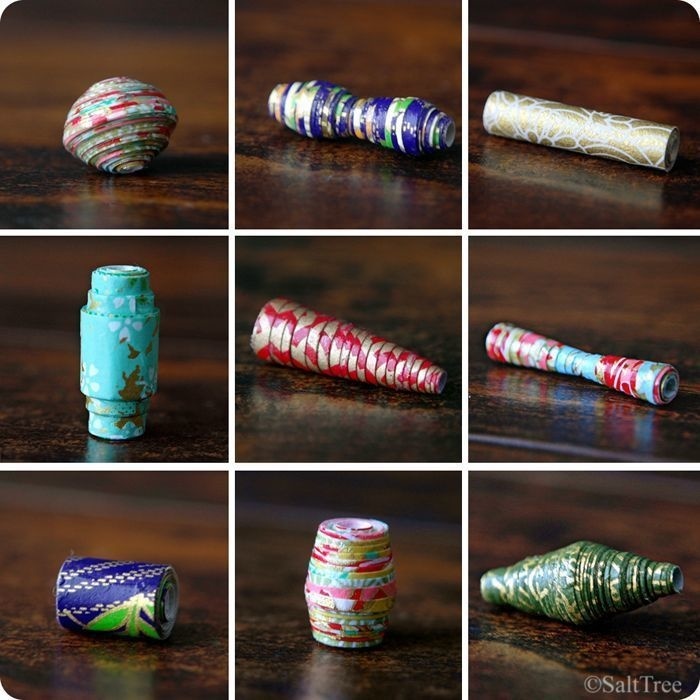
Transforming discarded magazine pages into vibrant beads opens a world of creative possibilities for jewelry making. This stage focuses on mastering various techniques to create diverse bead shapes and sizes, showcasing the versatility of magazine colors in unique designs. Understanding glue types will allow you to create sturdy and aesthetically pleasing beads.Techniques for creating beads from magazine strips vary greatly, allowing for a range of shapes and sizes.
The choice of technique will depend on the desired aesthetic and the complexity of the design. Different glue types will also influence the final bead’s strength and appearance. This section provides detailed instructions on creating diverse bead shapes, sizes, and unique designs.
Bead Shaping Techniques
Various techniques can be employed to create a variety of bead shapes from magazine strips. These methods include rolling, folding, and layering techniques. Mastering these methods allows for more intricate and unique designs.
- Rolling: This technique involves tightly rolling magazine strips into a cylindrical form. The thickness and length of the strips dictate the bead’s size. This method is particularly useful for creating uniform and smooth beads.
- Folding: Folding techniques allow for creating intricate shapes. Creasing and folding magazine strips create a variety of geometric shapes. This method is perfect for creating beads with unique textures and patterns.
- Layering: Layering techniques combine multiple magazine strips of different colors and patterns. This method is ideal for creating beads with a complex and visually appealing surface. Different layering techniques can produce unique effects, creating a diverse range of colors and textures on the bead.
Bead Size and Shape Variation
The size and shape of the beads are determined by the width and length of the magazine strips used, and the chosen shaping technique. For instance, wider strips rolled into a tight cylinder create larger beads.
- Small Beads: Use thin strips of magazine paper and employ precise folding or rolling techniques. The key is to meticulously control the dimensions of the strips.
- Medium Beads: Employ slightly wider strips, allowing for a moderate size bead. Careful rolling or folding will result in consistent size beads.
- Large Beads: Utilize wider strips of magazine paper and consider layering techniques to achieve the desired size and complexity.
Unique Bead Designs
By combining various magazine colors, unique bead designs can be achieved. The contrast between colors and patterns creates an interesting visual effect. Consider pairing bold, bright colors with more subdued tones.
- Color Blocking: This technique involves using contrasting colors in strips to create a visually striking effect. The strips can be arranged in a variety of patterns, from simple stripes to more complex designs.
- Pattern Mixing: This involves incorporating different magazine patterns into the bead design. The patterns can be mixed to create a dynamic and interesting visual effect. Different textures and patterns create visual interest.
- Texture Integration: Combining various textures, such as glossy and matte finishes, or patterned and plain papers, into a bead design adds visual appeal and complexity.
Glue Selection for Bead Designs
The type of glue used significantly impacts the bead’s durability and final appearance. Different glue types have distinct properties, influencing the bead’s strength and overall aesthetic. The chosen glue must adhere well to the paper and dry quickly to avoid warping.
- Craft Glue: Craft glue is a versatile option, suitable for a variety of bead shapes and sizes. It provides a good balance between strength and ease of use.
- Epoxy Glue: Epoxy glue is known for its superior strength and durability, making it ideal for larger beads or those that will undergo significant stress. It’s essential to allow sufficient drying time.
- Hot Glue: Hot glue is an excellent choice for quick and easy bonding. Its fast drying time allows for rapid assembly of beads.
Bead Shape, Technique, and Materials Table
| Bead Shape | Technique | Materials Needed |
|---|---|---|
| Cylindrical | Rolling | Magazine strips, craft glue |
| Geometric | Folding | Magazine strips, craft glue, scissors |
| Layered | Layering | Magazine strips of different colors and patterns, craft glue, scissors |
Assembling the Jewelry
Transforming your magazine beads into wearable art begins with assembly. This crucial step involves carefully stringing the beads onto wire, securing them with knots, and adding the finishing touches with various findings. This process allows your creativity to shine through, transforming simple beads into stunning pieces of jewelry.
Stringing Beads onto Jewelry Wire
Proper stringing is fundamental to creating durable and aesthetically pleasing jewelry. Using the correct wire type and technique ensures the beads remain secure and the finished piece is comfortable to wear. Begin by selecting a wire that complements the size and weight of your beads. Thicker wires are suitable for larger beads and heavier designs, while finer wires are ideal for delicate pieces and smaller beads.
Thread the wire through the hole of each bead, ensuring a smooth and even progression. Pay attention to the spacing between beads; consistent spacing creates a balanced and visually appealing design.
Knot-Tying Techniques
Knots are essential for securing beads onto the wire and for adding structure to your jewelry designs. Different knots serve various purposes, from simple closures to decorative elements. The slip knot, for example, is excellent for quickly securing beads without adding significant bulk. The square knot is a strong and versatile option, particularly useful for securing multiple beads or for creating a secure closure.
A simple overhand knot is suitable for smaller, delicate pieces. The more complex the design, the more critical knot selection becomes. Mastering these techniques will significantly enhance the structural integrity and aesthetic appeal of your creations.
Jewelry Findings
Jewelry findings, such as clasps, jump rings, and ear wires, act as the finishing touches and structural components of your jewelry pieces. These elements enhance the design, provide closure, and ensure the piece is secure and wearable. Clasps provide a secure fastening mechanism for necklaces and bracelets. Jump rings allow for connecting different components, such as beads or charms, and are critical for creating intricate designs.
Ear wires, on the other hand, are specifically designed for earrings, offering a secure and comfortable way to wear them. The proper selection of findings elevates the aesthetic and functional aspects of your creations.
Creating Jewelry Pieces
Using the techniques and findings discussed above, you can craft a variety of jewelry pieces. The choice of beads and findings dictates the overall style. For example, a necklace featuring large, colorful magazine beads paired with a delicate clasp will evoke a bohemian vibe. Conversely, a bracelet made with smaller, more uniform beads and a toggle clasp will exude a more minimalist aesthetic.
For earrings, the selection of ear wires and the beads themselves will dictate the look. By carefully considering the components, you can craft jewelry that perfectly reflects your personal style.
Jewelry Creation Guide
| Jewelry Type | Bead Type | Required Findings |
|---|---|---|
| Necklace | Large, medium, or small magazine beads | Lobster clasp, jump rings, chain (optional) |
| Bracelet | Small or medium magazine beads | Toggle clasp, jump rings |
| Earrings | Small or medium magazine beads | Ear wires, jump rings (for larger designs) |
Finishing Touches and Display
Transforming magazine strips into captivating jewelry requires meticulous attention to detail during the finishing phase. This stage ensures the longevity and aesthetic appeal of your creations. Proper finishing techniques protect the delicate jewelry from wear and tear, allowing you to proudly display and potentially sell your upcycled treasures.
Finishing and Sealing Techniques
A crucial step in preserving the beauty and durability of your magazine bead jewelry is the application of a protective sealant. This prevents the beads from fading, cracking, or becoming brittle over time. A clear acrylic sealant, often available in craft stores, is a versatile and effective choice. Apply a thin, even coat using a small brush, ensuring thorough coverage of all surfaces.
Allow the sealant to dry completely before handling the jewelry. Alternatively, a specialized varnish for jewelry can provide an additional layer of protection and shine. A matte sealant might be preferred for a less glossy finish.
Displaying Your Jewelry
Thoughtful presentation enhances the visual appeal of your upcycled jewelry. Consider the context in which you will display your pieces—whether it’s for personal enjoyment or potential sale. Different presentation methods will highlight various aspects of your creations.
Presentation Methods
- Showcase Boxes: Elegant boxes, tailored to the jewelry’s style, can provide a professional and attractive presentation. Small velvet-lined boxes are ideal for delicate necklaces and earrings. Consider incorporating colors and patterns that complement the jewelry for an even more visually appealing presentation. For example, a delicate, pastel-colored necklace might look exquisite in a similarly-toned box with a subtle pattern.
- Jewelry Stands: Jewelry stands, often available in various styles and sizes, offer a practical and elegant way to display earrings, bracelets, and necklaces. They allow the jewelry to be seen from all angles and often come in different finishes (such as metal or wood) to suit different styles.
- Fabric Backdrops: Using fabric as a backdrop can provide a unique presentation style. Choose fabrics that complement the color scheme of your jewelry and create a visually appealing display. This can be used for showcasing a variety of jewelry styles and will help to highlight their unique designs.
Adding Embellishments
Enhancing your jewelry with embellishments can elevate the design and create a unique aesthetic. These additions can range from simple details to intricate elements.
- Beads: Adding complementary beads can create intricate patterns or add visual interest to the jewelry. Choose beads in coordinating colors and shapes to enhance the overall aesthetic of the piece.
- Metal Charms: Metal charms can add a touch of elegance or a thematic element to your jewelry. Consider incorporating charms that reflect a specific theme or interest, such as animals, flowers, or symbols. This could be used to create a themed collection, or to highlight a particular piece.
- Fabric or Ribbon: Fabric or ribbon can add a pop of color or texture. Use contrasting colors or complementary patterns to create a unique and eye-catching design. Fabric can be used as a base for layering or as a band to hold beads or charms together. This can be particularly effective for bracelets or necklaces.
Inspiration Images
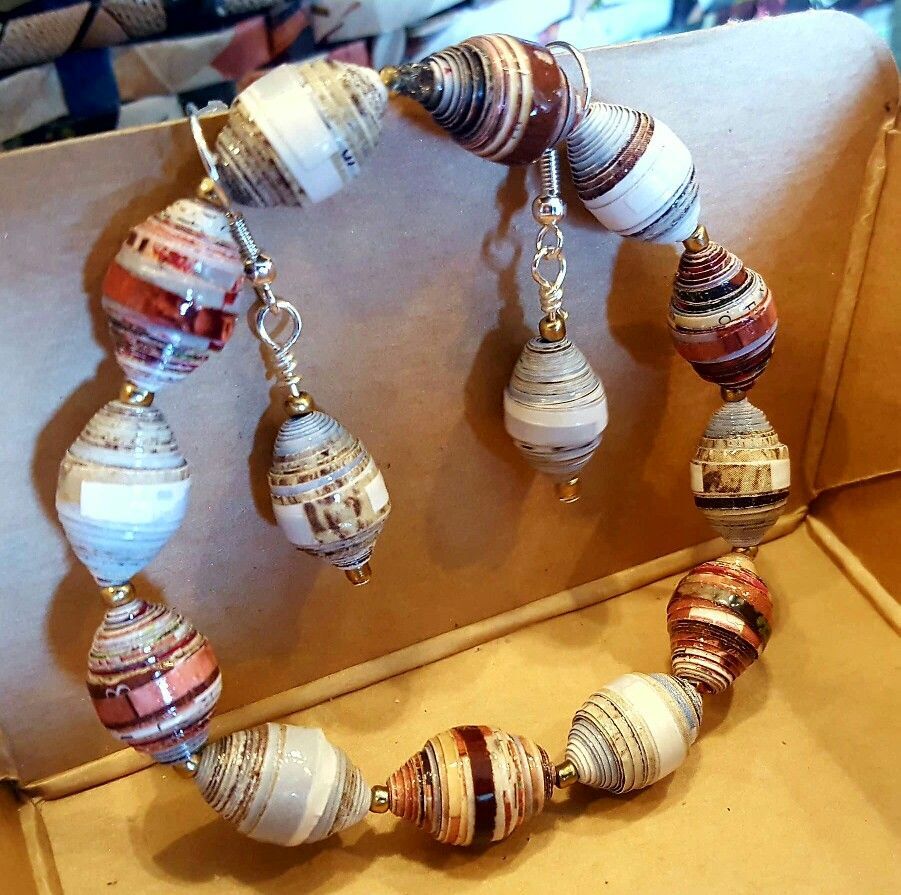
- Image 1: A collection of necklaces displayed in a variety of small, elegant boxes, each box with a unique color scheme and pattern that complements the necklaces. The display emphasizes the craftsmanship and artistry of the necklaces. This showcases how the presentation style of each piece can enhance its visual appeal.
- Image 2: A single bracelet displayed on a simple, elegant wooden stand, highlighting the intricate patterns and textures of the magazine strips. The stand offers a clean, unobstructed view of the bracelet. This illustrates how a simple stand can effectively highlight the craftsmanship of the jewelry.
- Image 3: Earrings arranged on a fabric backdrop. The backdrop is a soft, pastel-colored fabric that complements the colors of the earrings. The display allows the earrings to be seen from all angles and showcases the earrings’ design and color coordination. This illustrates the versatility of fabric as a display method.
Ending Remarks
In conclusion, crafting jewelry from upcycled magazines offers a delightful blend of creativity and sustainability. This guide has provided a detailed roadmap, equipping you with the knowledge and techniques to transform discarded magazines into beautiful, unique jewelry pieces. By following these steps, you can not only create stunning accessories but also contribute to a more environmentally conscious lifestyle.