Transforming discarded bricks into a beautiful garden pathway is a rewarding project that combines environmental responsibility with aesthetic appeal. This guide provides a comprehensive approach to upcycling old bricks, from sourcing materials and preparing the bricks for installation, to designing the pathway and ensuring its longevity. You’ll discover how to create a unique and personalized pathway that seamlessly integrates with your garden’s existing design, showcasing both your creativity and commitment to sustainability.
This detailed guide will equip you with the knowledge and steps to create a stunning brick pathway, perfect for enhancing the beauty and functionality of your outdoor space. From the initial planning stages to the final finishing touches, we’ll walk you through each crucial aspect of this rewarding project. Prepare to be inspired as we explore various methods for transforming old bricks into a focal point of your garden.
Introduction to Upcycling Old Bricks
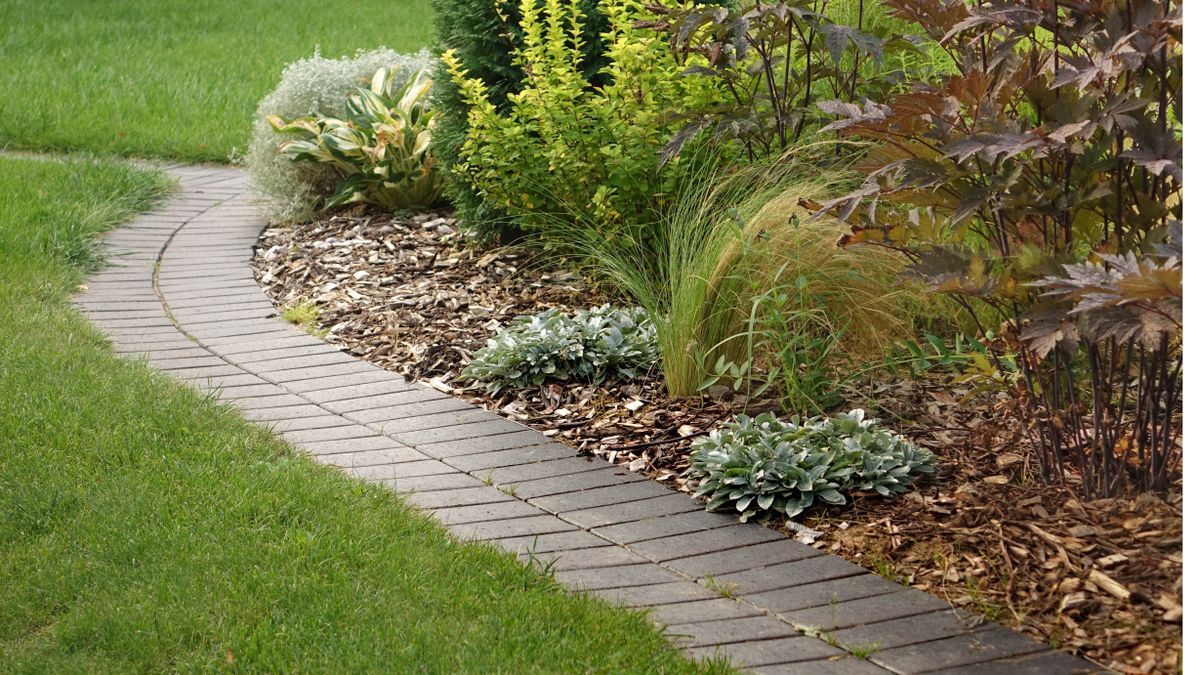
Bricks, a fundamental building material for centuries, have a rich history interwoven with human civilization. From ancient Roman structures to modern homes, bricks have stood the test of time, showcasing remarkable durability and aesthetic appeal. However, as construction evolves, older bricks often find themselves relegated to landfills, representing a significant waste stream. The rise of upcycling has presented a sustainable alternative, providing a creative avenue to breathe new life into discarded materials and reduce our environmental footprint.Repurposing old bricks into garden pathways offers a compelling solution to both environmental concerns and aesthetic desires.
By extracting value from discarded materials, we reduce the demand for new resources and minimize the strain on landfills. This practice not only benefits the environment but also adds a unique, rustic charm to any garden, transforming a previously overlooked material into a beautiful and durable pathway. The aesthetic appeal of brick pathways lies in their timeless appeal, lending a touch of history and character to the garden.
Environmental Benefits of Repurposing
The environmental benefits of repurposing old materials are significant. Using salvaged bricks for pathways avoids the extraction and processing of new materials, thereby reducing the carbon footprint associated with traditional construction. This reduction in resource consumption contributes to the preservation of natural habitats and minimizes pollution generated during the production process. Furthermore, diverting materials from landfills reduces the strain on these disposal sites and prevents the release of harmful greenhouse gases associated with decomposition.
This sustainable practice is a crucial step in the ongoing effort to mitigate environmental impact.
Aesthetic Appeal of Brick Pathways
Brick pathways offer a unique aesthetic appeal in gardens. Their robust texture and varied colors, ranging from rich reds and burnt oranges to muted browns and grays, add a distinct charm. The timeless aesthetic of brick complements a wide array of garden styles, from traditional English gardens to contemporary landscapes. The natural variations in brick color and texture create a captivating visual appeal, providing a sense of depth and character to the pathway.
Different Brick Types for Pathways
A variety of brick types are suitable for garden pathways, each offering its own unique visual qualities. Common options include:
- Clay bricks: These traditional bricks are often readily available, offer a wide range of colors, and are exceptionally durable. Their natural texture and classic aesthetic appeal lend a timeless quality to any garden pathway.
- Concrete bricks: A more modern alternative, concrete bricks are available in diverse colors and shapes, often offering a smoother texture compared to clay bricks. Their strength and durability make them a practical choice for high-traffic areas.
- Reclaimed bricks: These salvaged bricks, often from older buildings or demolished structures, exhibit a unique character and history, adding a touch of rustic charm and authenticity to the pathway. Their varied colors and textures are ideal for creating a visually captivating design.
Using a combination of brick types can further enhance the visual appeal of a pathway, allowing for a personalized design tailored to the specific garden aesthetics. This diverse selection allows for creative exploration and ensures the pathway’s unique charm.
Gathering Materials and Tools
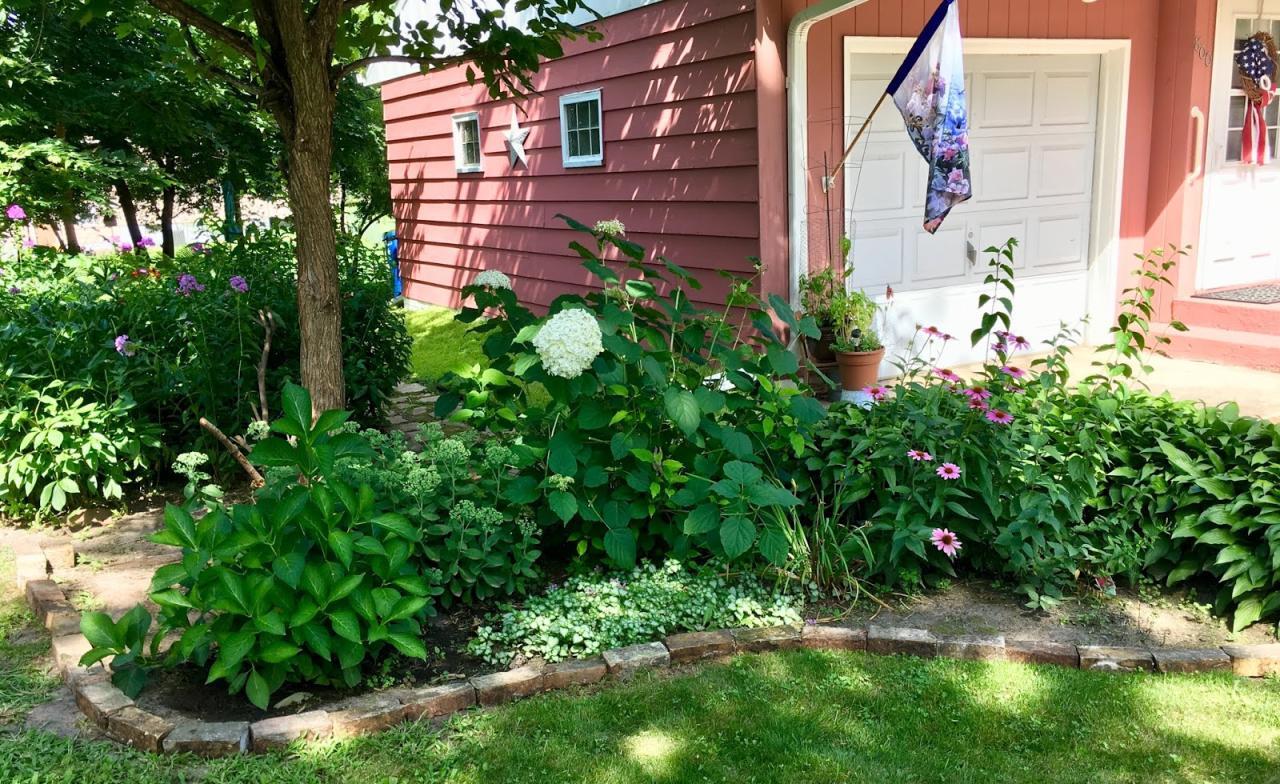
Transforming old bricks into a beautiful garden pathway requires careful planning and the right materials. This section details the essential tools, various acquisition methods for bricks, safety considerations, and appropriate mortar/adhesive choices. Thorough preparation ensures a successful and safe project.Proper selection of materials and tools is crucial for achieving a high-quality and long-lasting pathway. This includes acquiring bricks in good condition, using the correct mortar, and handling them safely to prevent injury.
Choosing suitable tools ensures efficient work and minimizes the risk of damage to the bricks or the surrounding area.
Essential Tools for the Project
A well-equipped toolkit is paramount for a successful brick pathway installation. The tools listed below are essential for various stages of the project, from preparation to final finishing. Having these tools readily available will streamline the process and ensure a professional outcome.
- Measuring tape: Precise measurements are essential for accurate layout and ensuring the pathway’s dimensions match the planned design.
- Level: Maintaining a level pathway is crucial for aesthetics and preventing water accumulation.
- Brick trowel: Used for spreading mortar evenly and precisely onto the bricks.
- Safety glasses: Protecting eyes from debris and dust is vital for safety during the project.
- Work gloves: Protecting hands from rough brick edges and mortar is essential.
- Rubber mallet: For gently tapping bricks into place, ensuring a secure fit.
- String line: Used for marking out the pathway’s perimeter and ensuring straight lines.
- Wheelbarrow: For easily transporting bricks and mortar materials.
- Brick chisel: Used for removing damaged or unwanted bricks.
Acquiring Old Bricks
A wide array of sources are available for obtaining old bricks. Careful selection from reputable sources is crucial to ensure the bricks’ quality and condition.
- Salvage yards: Salvage yards often have a large inventory of salvaged materials, including bricks, which can be sourced at competitive prices. Inspect bricks thoroughly for damage before purchase. Look for signs of cracking or significant weathering.
- Demolition sites: Demolition sites can provide a rich source of old bricks. However, obtaining bricks from such sites often involves navigating potential safety hazards. Thorough inspection is crucial to avoid damaged or unsuitable bricks. Ensure the site is accessible and safe before proceeding. Confirm the legality of acquiring bricks from the site.
- Homeowners: Contacting local homeowners, real estate agents, or community groups about excess bricks may yield unexpected results. This method often allows for a personalized selection of bricks, enabling matching colors and patterns to complement your garden design.
Safety Precautions for Handling Old Bricks
Proper handling of old bricks is vital to prevent injuries. Adhering to these safety precautions minimizes the risk of accidents.
- Wear safety glasses and gloves: Protecting eyes and hands is paramount when handling potentially rough or sharp edges.
- Inspect bricks for damage: Avoid using broken or damaged bricks in the pathway, as they may compromise the structural integrity.
- Use caution when lifting heavy bricks: Employ proper lifting techniques to prevent back injuries.
- Clear the work area: Ensure the workspace is free of obstructions to prevent tripping hazards.
Mortar and Adhesive Types
Choosing the right mortar or adhesive is crucial for a strong and lasting pathway. Consider the type of brick and the desired aesthetic.
- Cement mortar: A traditional and durable option, suitable for most brick types.
- Lime mortar: A more environmentally friendly alternative, often preferred for its aesthetic qualities and breathability.
- Brick adhesive: For specific applications or when a more flexible bond is desired.
Tools and Uses
The table below summarizes the tools and their corresponding uses in the upcycling project.
| Tool | Use |
|---|---|
| Measuring tape | Measuring pathway dimensions |
| Level | Ensuring a level pathway |
| Brick trowel | Applying mortar evenly |
| Safety glasses | Protecting eyes from debris |
| Work gloves | Protecting hands from brick edges and mortar |
Preparing the Brick for Installation
Proper preparation of the bricks is crucial for a visually appealing and durable garden pathway. Careful cleaning, sorting, and evaluation of each brick ensures a consistent and high-quality final product. This stage ensures the longevity of the pathway and prevents future problems with unevenness or discoloration.
Cleaning Methods for Bricks
Effective cleaning methods are essential to remove dirt, grime, and any superficial damage from the bricks. Various methods are available, each with its own advantages and disadvantages.
- Pressure Washing: High-pressure water jets can effectively remove stubborn dirt and debris. However, excessive pressure may damage delicate or porous bricks. A low-pressure setting is generally recommended to prevent harm to the bricks’ structure. Care should be taken to avoid spraying water directly at mortar joints, which could weaken them over time.
- Scrubbing: For stubborn stains or dirt, manual scrubbing with a stiff brush and cleaning solution can be used. A mild detergent or baking soda paste can be applied to the bricks and scrubbed gently. Thorough rinsing is crucial to eliminate all traces of cleaning agents.
Removing Damaged Bricks
Identifying and removing damaged bricks is vital for achieving a uniform and aesthetically pleasing pathway.
- Visual Inspection: Inspect each brick for cracks, chips, or significant damage. Bricks with severe damage should be removed to maintain the quality and integrity of the pathway.
- Discarding Damaged Bricks: Place damaged bricks in a separate pile for disposal. This ensures that only undamaged bricks are used in the pathway construction.
Sorting Bricks by Size and Color
Uniformity in size and color is essential for creating a visually appealing pathway.
- Size Sorting: Sort the bricks by size to ensure a consistent look and feel throughout the pathway. Slight variations in size are acceptable, but excessive differences can disrupt the aesthetic appeal. Use a ruler or measuring tape to accurately assess the size of each brick.
- Color Sorting: Sort bricks by color to achieve a cohesive appearance. If a specific color scheme is desired, grouping bricks of similar shades will be beneficial. This ensures a visually balanced and harmonious pathway.
Ensuring Brick Uniformity in the Pathway
A consistent and uniform pathway appearance enhances the overall aesthetic.
- Maintaining Consistency: Consistency in size and color is paramount. Ensure that all bricks in a given section of the pathway are as similar as possible in size and shade.
- Checking for Variations: Regularly check the bricks for uniformity during the cleaning and sorting processes to prevent variations in the pathway’s final look.
Step-by-Step Procedure for Cleaning and Preparing Bricks
A systematic approach to cleaning and preparing the bricks ensures quality and efficiency.
- Assessment: Thoroughly inspect each brick for any signs of damage, cracks, or significant discoloration.
- Cleaning: Use a pressure washer on a low setting to remove loose dirt and debris. Follow with manual scrubbing if necessary. Ensure thorough rinsing with clean water to eliminate any residue.
- Sorting: Separate bricks into piles based on size and color. Discard any bricks with significant damage.
- Selection: Choose the bricks that best fit the desired aesthetic for the pathway.
- Final Inspection: Carefully examine all selected bricks for any remaining imperfections. Ensure uniformity in size and color.
Designing the Pathway
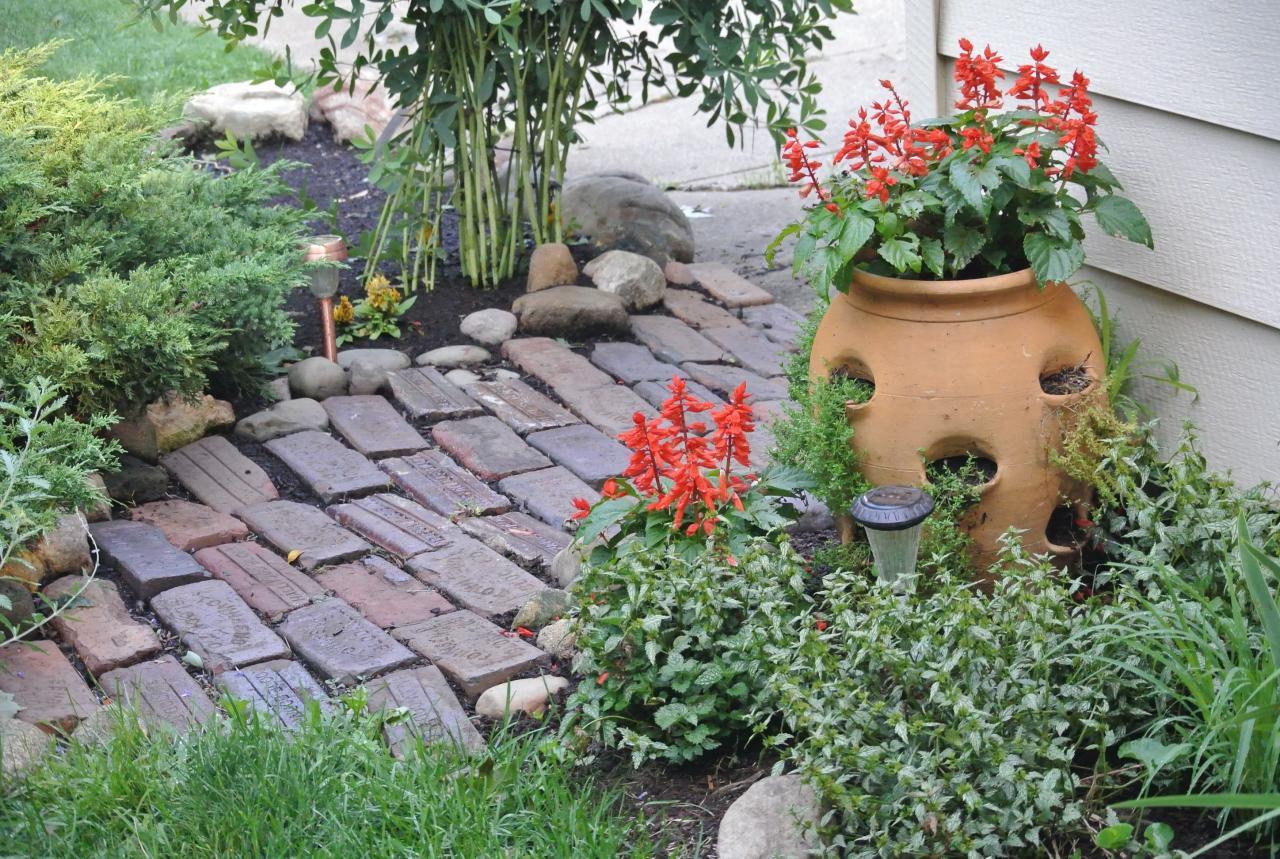
Transforming old bricks into a beautiful garden pathway involves careful planning and design. A well-considered layout, incorporating pathway width, gradient, and surrounding landscaping, is crucial for a functional and aesthetically pleasing result. Thoughtful consideration of the overall garden environment is paramount to achieving a harmonious blend between the pathway and the surrounding landscape.Pathway design goes beyond simply laying bricks; it’s about creating a visually appealing and practical space that complements the existing garden.
Understanding the different layout options, the significance of width and gradient, and the incorporation of existing elements will ensure the pathway enhances the overall garden experience.
Pathway Layouts and Shapes
The choice of pathway layout significantly impacts the garden’s aesthetic and functionality. Straight pathways offer a clear and direct route, ideal for formal gardens. Curved pathways add a touch of elegance and soften the lines of the garden, while meandering pathways create a sense of discovery and exploration, perfect for winding through flowerbeds or alongside trees. The selection depends heavily on the overall garden design and the desired atmosphere.
Pathway Width and Gradient
Pathway width should be carefully considered, taking into account the intended use and the number of people expected to use it. A wider pathway accommodates multiple people and allows for easier movement with strollers or wheelchairs. A narrower pathway is suitable for smaller gardens or more intimate settings. Gradient, or slope, is essential for proper drainage and accessibility.
A gentle slope prevents water accumulation and ensures comfortable walking. Excessive slopes should be avoided, as they can be hazardous. The gradient should be designed to align with the surrounding terrain for a seamless transition.
Incorporating Existing Landscaping Elements
A well-designed pathway seamlessly integrates with existing landscaping features. This might involve aligning the pathway with the curves of a flowerbed, or positioning it to frame a particularly beautiful tree or shrub. By strategically incorporating existing elements, the pathway enhances the existing aesthetic and adds a sense of harmony to the garden. For instance, consider positioning the pathway to highlight a collection of colourful flowers or a water feature.
The pathway should not disrupt the natural flow of the garden.
Pathway Design Considerations
| Pathway Design | Pros | Cons |
|---|---|---|
| Straight | Simple, direct, easy to maintain, good for formal gardens. | Can feel rigid and lack visual interest. |
| Curved | Adds elegance, softens the garden’s lines, visually appealing. | Can be more complex to install, may not be suitable for tight spaces. |
| Meandering | Creates a sense of discovery, ideal for winding through gardens, good for exploration. | Can be challenging to plan and install, might be less practical for everyday use. |
Surrounding Garden Environment
Careful consideration of the surrounding garden environment is crucial. The pathway should complement the existing colors, textures, and styles. For instance, a pathway made of warm-toned bricks would look more appropriate in a garden with warm-colored flowers and shrubs. Furthermore, the pathway should not clash with the overall design scheme of the garden. Consider the height of surrounding plants, the amount of sunlight the area receives, and the existing features to create a cohesive design.
The overall effect should be a harmonious integration of the pathway with the garden’s surroundings.
Constructing the Pathway
Transforming old bricks into a beautiful garden pathway requires meticulous attention to detail during the construction phase. A well-executed installation ensures a long-lasting and aesthetically pleasing result. Careful planning and precise execution are crucial for achieving a professional and level pathway.
Laying the Bricks in a Level and Even Manner
Precise brick placement is essential for a visually appealing and structurally sound pathway. Uneven laying can lead to a bumpy or unstable surface. Maintaining consistent spacing and alignment between bricks is key. Tools like string lines and levels are invaluable in achieving this consistency.
Importance of Using a Level and String Lines
A level ensures that the bricks are laid horizontally, avoiding slopes and uneven surfaces. String lines provide a straight guide for aligning the bricks. This method minimizes the potential for errors, ensuring that the pathway is level and aesthetically pleasing. Using these tools is a key step to a professional finish. String lines help in establishing straight rows, while levels guarantee the bricks are placed horizontally.
Mortar Spreading Techniques for a Neat Finish
Various techniques can be used to spread mortar, each contributing to a different aesthetic. A notched trowel is commonly used to create a clean and uniform mortar bed. Proper spreading ensures the mortar fills the gaps between the bricks, preventing gaps and providing stability. Applying a consistent amount of mortar to each brick ensures a uniform finish.
For a smooth, even look, the mortar should be pressed into the gaps, ensuring a solid bond.
Achieving a Smooth and Professional Look
A smooth and professional look is achieved through careful attention to detail. This includes maintaining consistent mortar thickness, ensuring the mortar is properly compressed between the bricks, and removing any excess mortar immediately. The technique should be practiced to get a smooth and even surface. The finish should be visually appealing and not have any noticeable gaps or unevenness.
Step-by-Step Guide on Installing the Bricks
- Preparation: Ensure the base is properly compacted and leveled. Mark the pathway’s Artikel using string lines and stakes. This initial step is crucial for a successful installation.
- Mortar Application: Apply a layer of mortar to the base using a notched trowel. The mortar’s thickness should be consistent to ensure a level pathway. A consistent mortar application prevents uneven settling.
- Brick Placement: Carefully place the bricks on the mortar bed, ensuring they are aligned with the string lines. Adjust the bricks as needed to maintain a level and straight path.
- Mortar Compaction: Gently press the bricks into the mortar bed to ensure a good bond. Use a trowel to compact the mortar around the bricks, removing excess immediately.
- Cleaning and Finishing: Clean up any excess mortar immediately. Allow the mortar to set for the recommended time before walking on the pathway. A final check for level ensures the project is completed to a high standard.
Finishing Touches
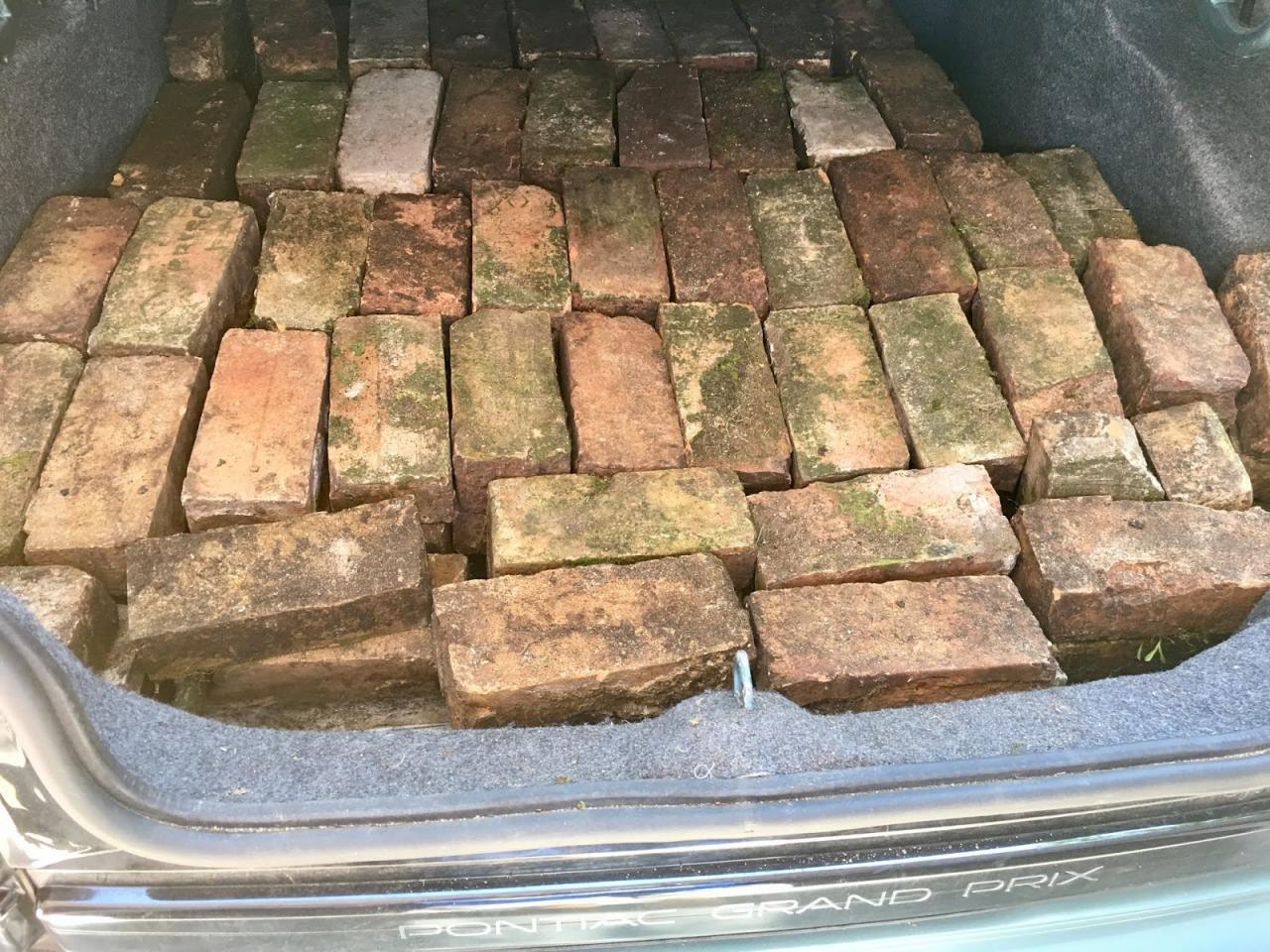
Completing your brick pathway involves more than just laying the bricks. Proper sealing and thoughtful landscaping enhance the pathway’s longevity and aesthetic appeal. These finishing touches ensure your investment stands the test of time and weather.Careful sealing and landscaping not only protect the pathway but also elevate its visual appeal, making it a beautiful and functional addition to your garden.
Maintaining the pathway involves regular upkeep, which is crucial for preserving its beauty and functionality.
Sealing the Pathway
Proper sealing is paramount for protecting the pathway from water damage and weathering. This prevents the bricks from absorbing moisture, which can lead to cracking, discoloration, and mold growth. A high-quality sealant specifically designed for outdoor use is essential for long-term durability. Apply the sealant according to the manufacturer’s instructions, ensuring even coverage across the entire pathway.
This process is critical to maintaining the integrity of the pathway.
Importance of Sealant
Using sealant significantly extends the lifespan of the brick pathway. A properly sealed pathway is less susceptible to the damaging effects of rain, snow, and temperature fluctuations. This reduces the risk of deterioration and maintains the pathway’s original appearance. The investment in sealant is worthwhile for the enhanced durability and longevity it provides. Examples include preventing cracks from forming, maintaining the aesthetic appeal, and increasing the overall lifespan of the structure.
Decorative Elements
Adding decorative elements can personalize and enhance the pathway’s visual appeal. Consider using decorative edging around the pathway to define its boundaries. Small, decorative stones or pebbles can be incorporated into the pathway’s design for added texture and visual interest. Intricate patterns or designs can also be created using different colored bricks or stones. The possibilities are virtually endless, limited only by your creativity and the materials available.
Landscaping Features
Integrating landscaping features around the pathway can create a cohesive and attractive garden design. Planting flowers, shrubs, or ground cover along the edges of the pathway can add color and visual interest. Adding small decorative pots or planters can further enhance the aesthetic appeal. Consider the plants’ height and growth habits to maintain a balanced and attractive look.
Strategically placed lighting can also illuminate the pathway at night, creating a charming ambiance.
Maintaining the Pathway
Regular maintenance is crucial for preserving the pathway’s longevity. Sweep or brush the pathway to remove debris and leaves, preventing them from accumulating and potentially damaging the bricks. Address any cracks or gaps promptly to prevent further deterioration. Periodically re-sealing the pathway, especially after heavy rain or harsh weather, is important to maintain its protective barrier. Regular maintenance ensures the pathway remains attractive and functional for years to come.
Troubleshooting and Maintenance
Maintaining a brick pathway’s pristine appearance and functionality requires proactive attention to potential issues. Proper upkeep not only preserves the aesthetic appeal but also extends the pathway’s lifespan, ensuring years of enjoyment. Addressing problems promptly minimizes further damage and ensures the pathway remains a valuable feature of your garden.Addressing potential problems and implementing preventive maintenance are key to long-term satisfaction with a brick pathway.
Early identification and resolution of minor issues can prevent major repairs later. Regular maintenance is a worthwhile investment, ensuring a beautiful and functional pathway for years to come.
Identifying and Resolving Installation Issues
Proper installation is paramount to avoiding future problems. Careful alignment, adequate bedding, and correct compaction are critical. Misaligned bricks can lead to uneven surfaces, while inadequate bedding can cause settlement and cracking. Addressing these issues promptly during installation is essential for long-term durability.
- Uneven Surfaces: Ensure proper leveling of the base before laying bricks. Using a spirit level and adjusting the base material as needed can prevent unevenness. If unevenness occurs during installation, carefully remove the affected bricks, re-level the base, and reinstall the bricks correctly. If the unevenness is significant, consider replacing the base material.
- Cracks and Gaps: Small cracks and gaps can often be filled with mortar or specialized brick repair compound. Regular inspections are crucial for detecting these issues early. Using the correct mortar type for your brick material is also important. If gaps or cracks are significant, professional help might be necessary.
- Settlement: Soil settlement can cause bricks to shift or crack over time. Compacting the soil thoroughly during installation can help prevent this. If settlement does occur, carefully remove the affected bricks, re-level the soil, and reinstall them with additional support if necessary.
Regular Maintenance Practices
Regular maintenance is crucial for preserving the pathway’s aesthetic appeal and longevity. This includes addressing minor issues before they become major problems.
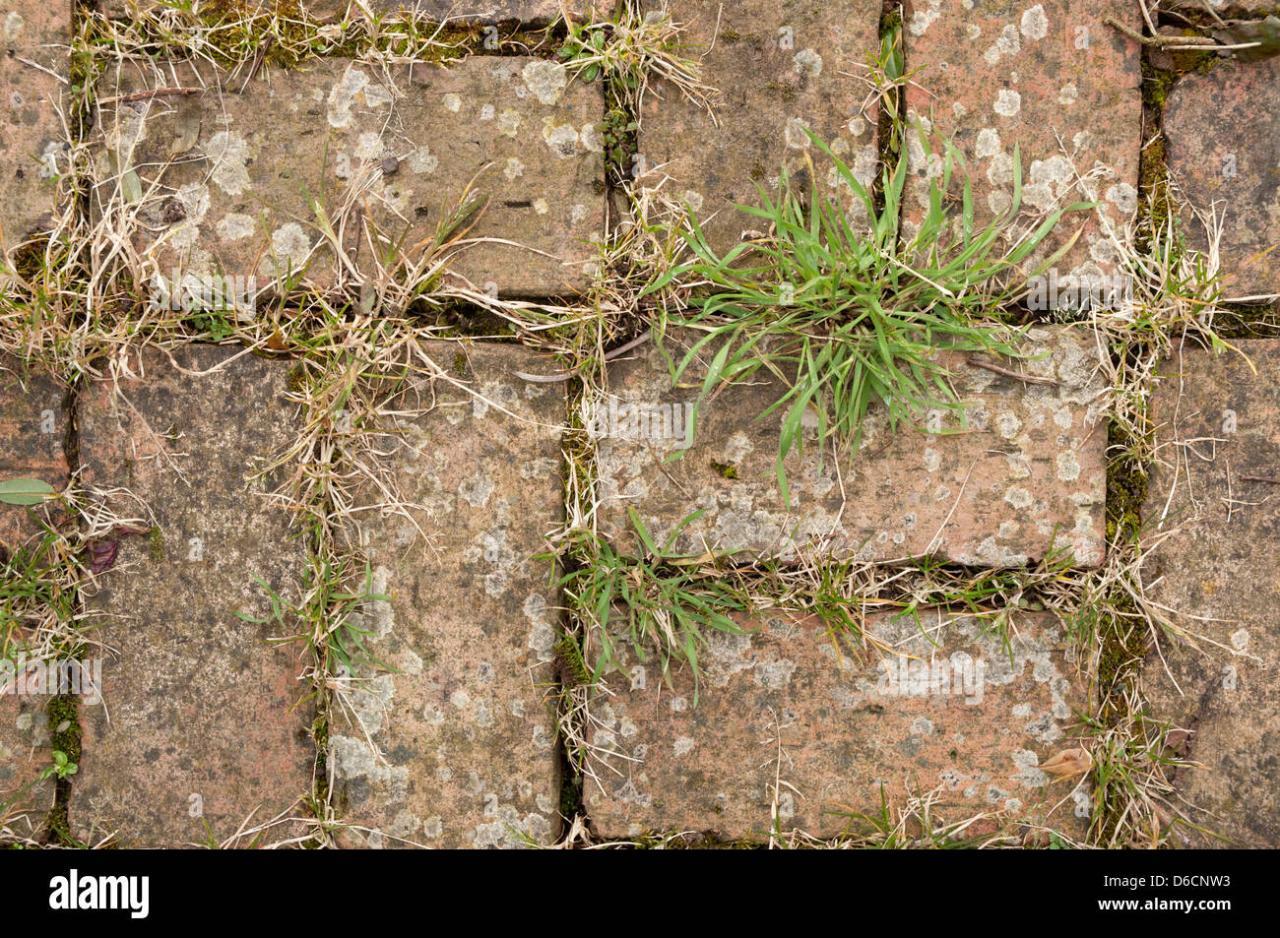
- Cleaning: Regular sweeping or hosing down the pathway removes debris, preventing it from becoming embedded in the mortar. This simple step can maintain the pathway’s appearance and prevent the growth of weeds.
- Inspection: Regular visual inspections are vital. Check for cracks, gaps, or signs of shifting. Early detection of minor issues can save you significant repair costs in the long run.
- Addressing Weeds: Regular weeding prevents weed growth from encroaching on the pathway and disrupting the aesthetics. Using appropriate weed control methods is important.
Addressing Common Issues with Brick Pathways
Brick pathways, while durable, can encounter specific problems. Understanding these issues and their solutions is key to maintaining the pathway’s condition.
- Frost Heave: Frost heave, where soil expands due to freezing temperatures, can cause bricks to shift or crack. Using appropriate frost-resistant materials and proper soil preparation can help mitigate this issue.
- Erosion: Heavy rainfall or runoff can erode the soil around the bricks, potentially causing the pathway to become unstable. Using appropriate drainage techniques can help prevent erosion.
- Plant Roots: Plant roots can exert pressure on bricks over time, leading to cracking or displacement. Maintaining a safe distance between plants and the pathway is crucial.
Methods for Repairing Cracks and Gaps
Addressing cracks and gaps promptly is essential to prevent further damage.
- Mortar Repair: Small cracks and gaps can be filled with matching mortar. Carefully clean the crack, apply the mortar, and smooth it out.
- Brick Repair Compound: For larger gaps or cracks, a specialized brick repair compound can provide a strong and durable solution. Follow the manufacturer’s instructions carefully for application.
- Replacement: If the damage is extensive, replacing the affected bricks is the best option. Use the same type of brick to maintain the pathway’s aesthetic uniformity.
Preserving Aesthetic Appeal Over Time
Maintaining the pathway’s visual appeal requires consistent care.
- Regular Cleaning: Keeping the pathway clean helps prevent dirt and debris from accumulating, maintaining its appearance.
- Sealing (Optional): Applying a sealant to the bricks can help protect them from stains and weathering, preserving their original color and texture.
Final Summary
This comprehensive guide has explored the entire process of upcycling old bricks into a beautiful garden pathway. By understanding the steps involved in sourcing, preparing, designing, constructing, and maintaining your pathway, you’re well-equipped to embark on this rewarding project. The result will be a unique and sustainable addition to your garden, showcasing both your creativity and commitment to environmental responsibility.