Transforming discarded denim into a stylish and durable tote bag is an eco-friendly and rewarding project. This guide provides a comprehensive approach to upcycling old jeans, covering everything from choosing the right material to constructing a sturdy and beautiful tote bag. Learn how to maximize the lifespan of your favorite jeans and create a unique, reusable accessory that reflects your personal style.
Discover the versatility of denim and explore the various design options for your tote bag, from simple totes to more complex structured designs. We’ll walk you through the essential tools, materials, and sewing techniques needed for success, along with troubleshooting tips to overcome any challenges.
Introduction to Upcycling Jeans into Tote Bags
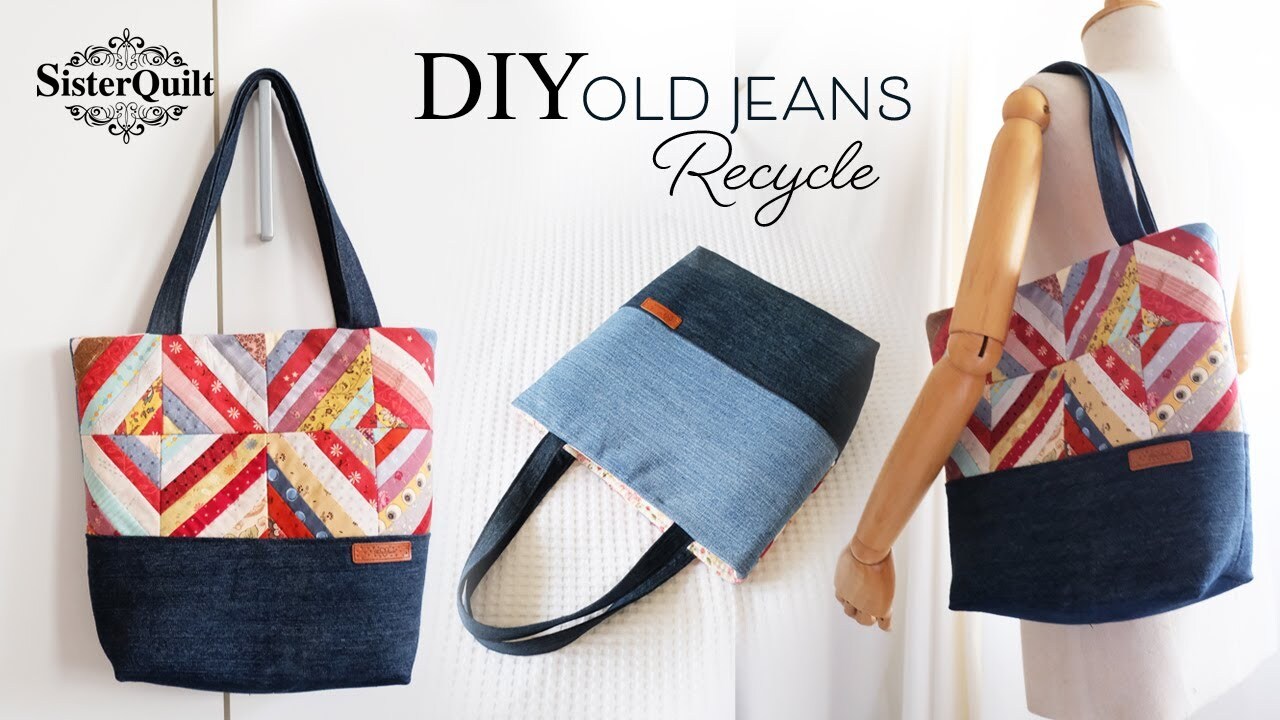
Upcycling, the art of transforming discarded materials into new, valuable items, is gaining significant traction as a sustainable practice. This innovative approach not only reduces textile waste but also fosters creativity and resourcefulness. The environmental benefits of upcycling are substantial, contributing to a circular economy and minimizing our impact on landfills and natural resources.The process of upcycling old jeans into durable tote bags is a perfect example of this philosophy.
It allows for the creative repurposing of a commonly discarded garment, transforming it into a functional and stylish accessory. The versatility of denim, a durable and readily available fabric, lends itself beautifully to a wide array of tote bag styles, from simple and classic to intricate and elaborate designs.
Advantages of Using Old Jeans for Tote Bags
The use of old jeans for tote bags presents several advantages. Firstly, it reduces textile waste, a significant environmental concern. Secondly, denim is a robust material, making the resulting tote bags durable and long-lasting. Thirdly, the cost-effectiveness of using readily available old jeans contributes to the overall affordability of the project. Finally, the inherent style and character of denim fabrics offer opportunities for unique and personalized designs.
Versatility of Jean Material for Different Tote Bag Styles
Denim’s versatility allows for a wide range of tote bag styles. From simple, straightforward designs to more intricate patterns and embellishments, the material adapts easily. Classic styles can incorporate clean lines and simple seams, while more elaborate designs can incorporate patchwork, embroidery, or other decorative elements. The strength of the denim also allows for the creation of larger, more spacious tote bags suitable for carrying everyday essentials or larger items.
Types of Old Jeans Suitable for Upcycling
Various types of old jeans can be effectively upcycled into tote bags. The choice often depends on the desired style and durability. Well-preserved jeans, free of significant wear and tear, are ideal for maintaining a consistent and clean aesthetic. Faded or distressed jeans can be incorporated into unique and artistic designs, such as patchwork patterns. Jeans with unique features, such as embellishments or interesting stitching, can be preserved and incorporated into the tote bag’s design, adding character and flair.
Steps Involved in Transforming Old Jeans into a Durable Tote Bag
The process of transforming old jeans into a tote bag typically involves several key steps. Firstly, the jeans are carefully measured and cut to create the desired tote bag shape. Secondly, the denim is prepared, often involving pre-washing and ironing for a consistent and professional finish. Thirdly, the bag’s structural components are sewn together, often using sturdy sewing techniques to ensure durability.
Finally, the bag is finished with handles and any additional embellishments to complete the design.
Comparison of Jeans Types and Suitability for Tote Bags
| Jeans Type | Suitability for Tote Bags | Advantages | Disadvantages |
|---|---|---|---|
| Well-preserved, classic jeans | High | Consistent aesthetic, strong material | May lack visual interest |
| Faded, distressed jeans | Medium-High | Unique visual appeal, opportunity for patchwork | May require more complex design adjustments |
| Embellished or decorated jeans | High | Unique character, visual interest | May require preservation of embellishments |
| Jeans with significant wear | Low | May be cost-effective | May compromise durability and aesthetic |
This table provides a basic comparison of different jean types and their suitability for tote bag projects. Careful consideration of these factors will ensure a successful and satisfying upcycling project.
Essential Tools and Materials
Transforming old jeans into a durable tote bag requires a carefully selected set of tools and materials. This section details the necessary items, ensuring a smooth and successful project. Proper preparation and the right tools will significantly impact the final product’s quality and longevity.A well-equipped toolkit and readily available materials are crucial for a successful upcycling project. This section will provide a comprehensive list of essential tools and materials, enabling you to execute the upcycling process efficiently and effectively.
Necessary Tools
Proper tools are essential for achieving clean cuts and a finished look. Choosing the right tools will save time and ensure precision, leading to a superior outcome. Using appropriate tools will prevent errors and ensure a safe and efficient work process.
- Sharp Scissors or Rotary Cutter: A sharp pair of fabric scissors or a rotary cutter with a precise blade is essential for clean cuts. A rotary cutter is ideal for larger cuts and can be helpful for intricate designs. A blade size appropriate for the thickness of the denim is recommended.
- Sewing Machine: A sewing machine, with appropriate sewing needles, is essential for securing seams and achieving a professional finish. The type of machine may vary based on your preference and budget.
- Measuring Tape: A measuring tape is crucial for precise measurements, ensuring the tote bag fits the desired dimensions.
- Pins: Pins are necessary for holding fabric pieces together during the sewing process.
- Fabric Marking Pen: A fabric marking pen is useful for marking seam lines and other design elements on the fabric. A water-soluble pen is ideal for easy removal if needed.
- Seam Ripper: A seam ripper is vital for correcting any mistakes during the sewing process. This tool aids in quickly and precisely removing unwanted stitches.
Required Materials
The selection of materials is crucial for creating a durable and attractive tote bag. The right materials will influence the bag’s functionality and aesthetic appeal.
- Old Jeans: The primary material for the tote bag, ensure sufficient quantity for the desired size and style.
- Sewing Thread: Matching or contrasting thread to complement the jeans. Consider thread strength for durability.
- Interfacing (Optional): Interfacing provides added structure and support, especially for the bottom and base of the tote bag. This is useful for a more rigid and substantial bottom.
- Zippers (Optional): For added functionality, consider adding zippers for closure. The type of zipper should match the style and aesthetic of the tote bag.
Tools and Materials Summary
This table summarizes the tools and materials required for the project.
| Item | Type | Purpose |
|---|---|---|
| Scissors/Rotary Cutter | Sharp fabric shears or rotary cutter | Making precise cuts in denim |
| Sewing Machine | Appropriate for fabric | Securing seams and creating a professional finish |
| Measuring Tape | Standard measuring tape | Accurate measurements for bag dimensions |
| Pins | Standard sewing pins | Holding fabric pieces together |
| Fabric Marking Pen | Water-soluble | Marking seam lines and design elements |
| Seam Ripper | Standard seam ripper | Correcting mistakes in sewing |
| Old Jeans | Durable denim | Primary material for the tote bag |
| Sewing Thread | Matching or contrasting | Securing seams |
| Interfacing (Optional) | Fabric interfacing | Added support and structure |
| Zippers (Optional) | Appropriate length | Adding closure functionality |
Safety Precautions
Safe practices are paramount during this project. Adhering to safety guidelines prevents accidents and ensures a pleasant experience.
- Sharp Tools: Handle sharp tools with care to avoid cuts and injuries. Ensure blades are properly secured and used correctly.
- Sewing Machine Safety: Follow the manufacturer’s instructions for the sewing machine. Ensure all parts are functioning correctly, and maintain a safe workspace.
- Fabric Handling: Handle fabric with care, especially when using sharp tools. Use appropriate protective gear, if needed.
- Needle Usage: Handle needles with care. Store needles in a designated container to prevent injuries. Use proper needle sizes to avoid damage.
Design and Pattern Considerations
Transforming old jeans into durable tote bags involves careful consideration of design and pattern. Understanding different tote bag styles and adapting patterns to various jean sizes and cuts is crucial for achieving a successful and functional outcome. This section will explore different tote bag styles, alteration techniques, and pattern adjustments, ultimately enabling you to create a unique and practical tote bag from your old jeans.
Tote Bag Styles
Various tote bag styles can be crafted from old jeans, each with its own aesthetic and functional characteristics. Choosing the right style depends on your desired look and the intended use of the bag.
- Simple Tote: This style is characterized by a straightforward design, typically featuring a single large compartment. Ideal for everyday use, the simple tote is easy to create and can be customized with various embellishments.
- Structured Tote: This style offers a more defined shape and form, providing a polished look. Structured totes often incorporate stiffening materials like interfacing or cardboard to maintain their shape. They are well-suited for carrying heavier items or when a more formal appearance is desired.
- Drawstring Tote: This style employs drawstring closures at the top of the bag, creating a convenient and secure way to close the tote. The drawstring adds a touch of practicality and a casual aesthetic. This style is perfect for those who value ease of use and a relaxed look.
- Crossbody Tote: Combining the features of a tote and a crossbody bag, this style offers the benefit of carrying the bag across the body, which is especially useful for hands-free convenience. This design usually involves incorporating straps for easy carrying.
Shape and Size Alterations
Modifying the shape and size of a tote bag from old jeans requires careful planning and execution. Several techniques can be used to achieve the desired outcome.
- Cutting and Reshaping: This involves strategically cutting excess fabric from the jeans to create the desired bag shape. Precision is key to avoiding mistakes, and accurate measurements are essential for successful reshaping.
- Adding Panels: To enlarge the bag or incorporate extra pockets, additional panels from the jeans or other fabric scraps can be added. This technique is particularly useful for creating structured or larger totes.
- Seam Alterations: Modifying existing seams can adjust the bag’s overall shape and structure. This method involves carefully cutting and reshaping seams to create the desired curve or straight lines. Accurate measurements and sewing skills are essential for successful seam alterations.
Pattern Adjustments for Specific Jeans
Different jean sizes and cuts will require adjustments to the pattern to ensure a well-fitting and functional tote bag. Consider the width, length, and overall shape of the jeans to ensure a perfect fit.
- Waistband Considerations: If using the waistband as part of the tote bag, it is important to account for the elastic or rigid nature of the waistband when cutting and stitching. This adjustment helps in preventing the bag from stretching or deforming over time.
- Leg Length Adjustments: If the tote bag pattern is being adapted from a specific leg length of the jean, the pattern needs to be adjusted for the selected leg length. This is to ensure that the tote bag has a balanced and proportional shape.
- Leg Width Considerations: The width of the jean legs significantly impacts the tote’s final dimensions. The pattern needs to be scaled accordingly to maintain the intended shape and size of the bag.
Pattern Options for Different Tote Bag Styles
Different tote bag styles necessitate various pattern options. These options should be chosen based on the desired appearance and functionality of the bag.
- Simple Tote: A simple tote pattern typically involves straightforward cutting and stitching. It usually includes a single large compartment and minimal design elements.
- Structured Tote: Structured tote patterns often include reinforced panels or interfacing to maintain the bag’s shape. They typically have more defined seams and a structured base.
- Drawstring Tote: Drawstring tote patterns incorporate the placement of the drawstring closure. The pattern should account for the length and placement of the drawstring, as well as the stitching for securing the drawstring.
- Crossbody Tote: Crossbody tote patterns require provisions for the placement and length of the shoulder straps. The pattern should also account for the desired width and style of the straps.
Comparison of Bag Styles
Different tote bag styles possess unique strengths and weaknesses.
| Bag Style | Dimensions | Materials | Strengths | Weaknesses |
|---|---|---|---|---|
| Simple Tote | Variable | Old Jeans | Easy to make, versatile | May not hold as much, less structured |
| Structured Tote | Variable | Old Jeans, interfacing | Sturdy, holds items well, presentable | More complex to construct, requires more materials |
| Drawstring Tote | Variable | Old Jeans, drawstring | Convenient closure, casual look | May not be as secure as other styles |
| Crossbody Tote | Variable | Old Jeans, straps | Hands-free carrying, versatile | Straps may need reinforcement, can be bulky |
Cutting and Preparing the Jeans
Transforming old jeans into a durable tote bag requires precise cutting and preparation. Careful measurements and techniques are essential to ensure a well-fitting and sturdy finished product. Proper preparation of the denim fabric will also enhance the longevity and durability of the tote. This section will guide you through the steps involved in cutting and preparing your jeans for sewing.
Precise Measurements and Cutting Techniques
Accurate measurements are paramount for a successful tote bag. Incorrect measurements will lead to a bag that doesn’t fit properly or is structurally weak. Use a fabric measuring tape and a sharp pair of fabric shears. The cutting process should be methodical and deliberate. Taking your time and double-checking measurements will prevent costly mistakes.
Preparing the Denim for Sewing
Preparing the denim fabric for sewing is critical for a high-quality result. Pre-washing the denim is often recommended to shrink the fabric and set the dye, which will reduce shrinkage and color bleeding during the sewing process. This is particularly important for dark-colored denim. Alternatively, consider a more economical pre-treatment to reduce wrinkles and stiffness. Use a damp cloth to gently wipe down the fabric.
Then, iron the fabric on a low setting to remove any creases.
Types of Seams and Their Applications
Different types of seams have various applications in sewing projects. A straightforward seam, typically used for straightforward tote construction, is the standard seam. A reinforced seam, such as a double-stitched seam, offers increased durability, particularly in high-stress areas like the tote’s bottom. A French seam, while more complex, creates a strong, hidden finish.
Steps for Cutting and Preparing the Jeans
- Gather Materials: Ensure you have all necessary materials, including the jeans, fabric shears, measuring tape, a marking pen, pins, a pre-wash solution (if using), and a sewing machine. This step ensures a smooth and efficient workflow.
- Measure and Mark: Carefully measure the desired dimensions of your tote bag. Transfer these measurements to the denim fabric using a marking pen and fabric chalk. Be meticulous in marking your lines and double-check your measurements to avoid errors.
- Cut the Denim: Using sharp fabric shears, carefully cut out the denim pieces according to the markings. Cut along the marked lines with precision to ensure clean edges. Pay close attention to details and make sure the fabric is not damaged during cutting.
- Pre-wash (Optional): Pre-washing the denim will shrink the fabric and set the dye. Follow the instructions on your pre-wash solution carefully. Submerge the denim in the solution, let it soak, and then rinse thoroughly.
- Prepare the Edges: Prepare the cut edges of the denim by using a seam ripper or shears to remove any frayed or uneven edges. This will help the seams to look neater and more professional.
- Ironing: Iron the fabric on a low setting to remove any creases or wrinkles. A properly ironed fabric will help create a more refined and presentable product.
- Prepare for Sewing: Prepare the denim pieces by folding, aligning, and pinning them according to your pattern and design. This step is essential for a well-structured tote bag. This will prevent any mistakes during the sewing process.
Sewing Techniques and Construction
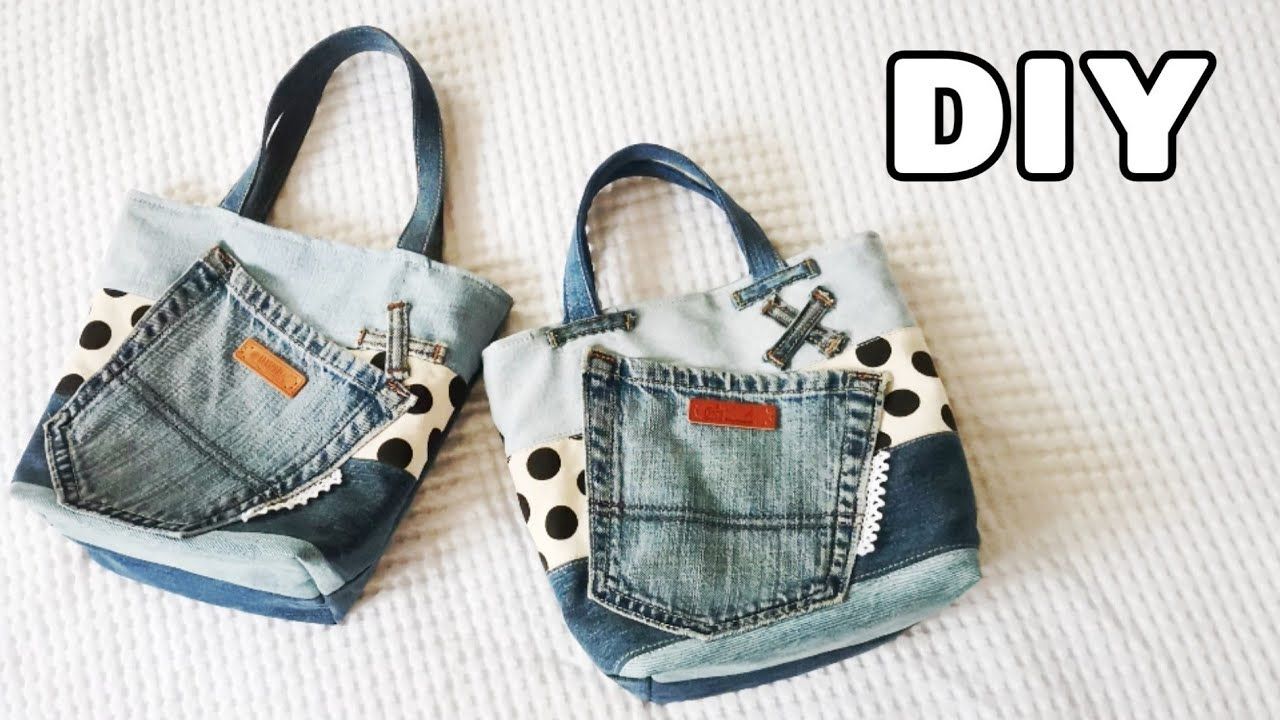
Transforming old jeans into a durable tote bag requires precise sewing techniques. Careful attention to stitch type, tension, and seam reinforcement is crucial for longevity and functionality. This section details essential sewing techniques, highlighting the importance of proper reinforcement methods for creating a sturdy and reliable tote.
Essential Sewing Techniques
Accurate sewing techniques are paramount for creating a durable and attractive tote bag. Different stitch types and tensions serve specific purposes, directly influencing the bag’s strength and appearance. Understanding these nuances ensures a well-constructed and long-lasting product.
- Straight Stitch: The straight stitch is fundamental for most seam construction. Its simplicity and reliability make it ideal for joining denim pieces and creating even, strong seams. Proper tension ensures the stitch securely holds the fabric together, minimizing the risk of unraveling. This is especially important for denim, which can be prone to fraying.
- Zigzag Stitch: The zigzag stitch is particularly valuable for reinforcing edges, preventing fraying, and creating decorative finishes. It provides an extra layer of security along raw edges and is useful for finishing seams that might be prone to unraveling. Careful selection of the zigzag stitch width and length is essential to maximize reinforcement.
- Backstitch: Backstitching is crucial for securing the start and end of seams. This technique reinforces the beginning and end of the stitch, making the seam more durable and preventing it from pulling apart. A consistent backstitch length ensures the seam is adequately strengthened.
Reinforcing Seams and Stitching
Fortifying seams and stitching is critical for a tote bag’s longevity. Reinforcing strategies enhance the bag’s overall durability, enabling it to withstand everyday use.
- Top Stitching: Top stitching strengthens seams by adding a reinforcing layer of stitching on top of the initial seam. This additional stitching layer significantly enhances the seam’s strength and resilience, especially on high-stress areas like the tote’s bottom or along the handle attachments. It also improves the bag’s aesthetic appeal.
- Overcasting: Overcasting is a technique that covers the raw edges of the fabric, preventing fraying and adding an attractive finish. This technique is particularly helpful for the raw edges of denim, minimizing the risk of unraveling and adding a professional touch to the seams.
- Interfacing: Interfacing adds a layer of reinforcement, specifically useful for areas that require added support. This is particularly effective for the tote bag’s base, where it comes in contact with surfaces or receives weight. The interfacing adds rigidity and prevents sagging or deformation.
Attaching Handles and Accessories
Properly attaching handles and accessories ensures the bag’s longevity and usability. Various methods can be employed, depending on the handle type and the desired aesthetic.
- Handles: Handles can be attached with a combination of stitching techniques, including straight stitch, zigzag stitch, and topstitching. For durability, using a sturdy handle material is important, and securing the handle attachment points with backstitching is essential.
- Zippers: Zippers are a practical addition, providing a secure closure. Properly sewing the zipper into the tote bag requires attention to detail, such as aligning the zipper teeth with the bag’s fabric. Use a zipper foot to ensure even stitching.
- Straps: Straps, for a tote bag with shoulder straps, are attached using similar techniques as handles, with reinforcement stitching and careful consideration for the bag’s overall strength.
Stitching Patterns for Reinforcement
Specific stitching patterns can enhance the reinforcement of critical areas in the tote bag. Strategic placement and careful attention to stitch density increase the tote’s structural integrity.
- Reinforced Bottom Seam: A reinforced bottom seam is crucial for the bag’s ability to hold weight and maintain its shape. Multiple layers of stitching or the use of interfacing can significantly increase the bottom seam’s resilience.
- Handle Attachment Stitching: Appropriate stitching patterns for attaching handles must consider the handle’s weight and the stress it will experience. Reinforcement stitching should be placed along the handle attachment points, distributing stress more evenly.
- Pocket Stitching: Pockets, if included, need reinforcing stitching along their seams and edges to prevent ripping or tearing. Reinforcement stitching and careful edge finishing will prevent the pockets from weakening the tote bag.
Sewing Techniques Table
| Sewing Technique | Application in Tote Bag Project |
|---|---|
| Straight Stitch | Joining denim panels, constructing main seams |
| Zigzag Stitch | Reinforcing edges, preventing fraying, finishing seams |
| Backstitch | Securing start and end of seams, strengthening crucial points |
| Top Stitching | Reinforcing seams, enhancing bag’s structural integrity |
| Overcasting | Finishing raw edges, preventing unraveling |
Finishing Touches and Accessories
Adding the finishing touches and accessories to your upcycled denim tote bag transforms it from a simple project into a unique and personalized piece. These details elevate the bag’s aesthetic appeal and enhance its durability and functionality. Careful consideration of finishing touches and accessories is crucial for a well-rounded and satisfying result.Careful attention to finishing touches and accessories, including edge treatments, hardware selection, and decorative elements, is essential to ensure a professional-looking and durable tote bag.
These details not only enhance the aesthetic appeal but also increase the longevity and usability of the bag.
Finishing the Edges
Proper edge finishing is critical for a professional-looking tote bag. Raw edges can fray and weaken the fabric, potentially leading to tears or damage. Several methods can effectively seal and strengthen the edges of your tote bag.
- Serging: A sewing technique that uses a specialized machine to create a neat, reinforced edge by stitching a double or triple row of stitches along the seam. This is an excellent option for maintaining a clean, durable finish and prevents fraying.
- Overlocking: Similar to serging, overlocking uses a specialized machine to create a finished edge by locking together the raw edges of the fabric. This is a highly efficient method for preventing fraying and creating a clean finish.
- Zigzag Stitching: A basic sewing technique that can effectively finish edges. A zigzag stitch creates a decorative, slightly wider seam that locks the raw edges together, preventing fraying. This method is suitable for a variety of fabrics and can add a touch of visual interest to the edges of your bag.
- Binding: A decorative edge finish that involves wrapping fabric around the raw edge and securing it with stitching. Binding adds a refined touch and protects the raw edges from fraying. This method requires extra fabric for binding, and precision in cutting and application.
Hardware Options
The choice of hardware directly impacts the bag’s overall look and functionality. Handles and closures are essential components that must complement the design and material of the tote bag.
| Hardware Type | Description | Suitability |
|---|---|---|
| Metal Handles (e.g., Leather or Metal Loops) | Durable and classic, offering a strong and lasting feel. | Ideal for heavy-duty totes and those with a classic or modern aesthetic. |
| Leather Handles | Adds a touch of sophistication and visual appeal. | Best for tote bags with a more upscale or vintage style. |
| Fabric Handles (e.g., Cotton or Canvas) | More affordable and visually appealing in specific color palettes. | Suitable for tote bags with a casual or contemporary style. |
| Zippers | Versatile and practical for securing items inside the bag. | Essential for tote bags requiring extra security or organization. |
| Buckles | Provides a decorative element and a closure mechanism. | Useful for tote bags with a more casual or vintage style. |
| Button Closure | A traditional closure, providing a simple and classic finish. | Ideal for small tote bags or those with a minimalist aesthetic. |
Decorative Elements
Decorative elements can transform a basic tote bag into a unique and personalized accessory. Various methods can be used to enhance the bag’s visual appeal.
- Embroidery: A versatile technique for adding intricate designs, patterns, or monograms to the tote bag. Embroidery can be customized to match the style of the bag and the owner’s preferences.
- Patches: A simple and quick way to add personality and style to the tote bag. Patches can feature various themes, designs, or colors, allowing for limitless personalization options.
- Paint or Dye: Applying paint or dye to the tote bag can add a pop of color or create unique patterns. This is a good method for adding custom designs or complementing the existing color scheme of the bag.
Attaching Closures and Hardware
Following the right steps to attach hardware is critical for durability and aesthetics.
- Prepare the hardware and fabric: Ensure all hardware components (e.g., buckles, zippers, buttons) are clean and ready for attachment. The fabric should be clean and smooth to ensure proper adhesion.
- Mark the placement: Use a marking tool to carefully mark the position of the hardware on the fabric, ensuring accurate alignment.
- Sew the hardware securely: Carefully attach the hardware using appropriate sewing techniques (e.g., using a sewing machine for zippers, or using appropriate stitches for buttons or buckles). Secure the attachment with strong stitches to prevent slippage or breakage.
- Cut excess fabric (if necessary): Remove any excess fabric that might interfere with the function or aesthetics of the hardware.
- Inspect and adjust: After attaching the hardware, inspect it for proper alignment and functionality. Adjust as needed to ensure smooth operation and secure attachment.
Troubleshooting and Common Mistakes
Transforming old jeans into a durable tote bag is a rewarding project, but like any crafting endeavor, it can present challenges. Careful attention to detail and a proactive approach to potential issues can significantly improve the outcome and ensure a sturdy, long-lasting tote. Understanding common pitfalls and their solutions is crucial for a successful upcycling experience.
Identifying and Addressing Sewing Issues
Proper sewing techniques are paramount for a strong and aesthetically pleasing tote. Common sewing problems include uneven stitching, skipped stitches, and loose seams. Uneven stitching often results from inconsistent needle pressure or tension settings on the sewing machine. Adjusting these settings to match the fabric’s weight and the chosen stitch type is key. Skipped stitches can be caused by fabric feed issues or a jammed needle.
Ensure the fabric feed dogs are properly engaged and the needle is correctly inserted. Loose seams indicate improper seam allowance or inadequate stitch length. Verify your seam allowance and ensure the stitch length is suitable for the project.
Troubleshooting Cutting and Measurement Errors
Accurate measurements and precise cutting are essential for a well-fitting tote bag. Incorrect measurements can lead to a bag that’s too small, too large, or disproportionate. Carefully double-check your measurements, using a ruler and measuring tape for precision. To avoid errors in cutting, ensure your pattern pieces are properly aligned on the fabric before cutting. Use sharp scissors or rotary cutter and a cutting mat to avoid fabric distortion.
Consider using tracing paper to transfer pattern pieces to the fabric to minimize the risk of mistakes.
Preventing Fabric Damage During Upcycling
Fabric damage during upcycling can be a significant issue. Handling the fabric with care is crucial. Avoid rough handling, which can cause tears or fraying. Using appropriate cutting tools, like sharp scissors and a rotary cutter, will prevent accidental damage. Ironing the fabric before cutting can help smooth out any wrinkles and reduce the risk of tearing during the cutting process.
Proper fabric care, including pre-washing if necessary, is critical for maintaining the fabric’s integrity and preventing shrinkage.
Ensuring Tote Bag Durability
Durability is key for any tote bag, especially one created from upcycled materials. Reinforcing seams is essential for longevity. Using a reinforced stitch or adding extra stitching around stress points will significantly increase the bag’s strength. Choosing strong fabrics, like denim, will naturally enhance durability. Using quality thread that matches the fabric’s weight and color will ensure a stronger and more aesthetically pleasing finish.
Consider adding reinforcement patches to areas that are likely to experience more wear and tear.
Common Mistakes in Upcycling and Solutions
Many mistakes in upcycling can be avoided by careful planning and preparation. One common mistake is not pre-washing the fabric. Pre-washing removes excess sizing and chemicals, preventing shrinkage and uneven coloring during the sewing process. Another frequent error is failing to thoroughly examine the fabric for damage or flaws before cutting. Inspect the fabric for any tears, holes, or discolorations.
Addressing these flaws before cutting can help prevent unexpected issues during the construction process. Not allowing sufficient seam allowance can lead to weak seams. Adding extra seam allowance to crucial areas can significantly enhance the bag’s structural integrity. Using the wrong type of thread for the project can also compromise the quality of the finished product.
Choose thread appropriate for the fabric weight and intended use.
Alternative Upcycling Techniques
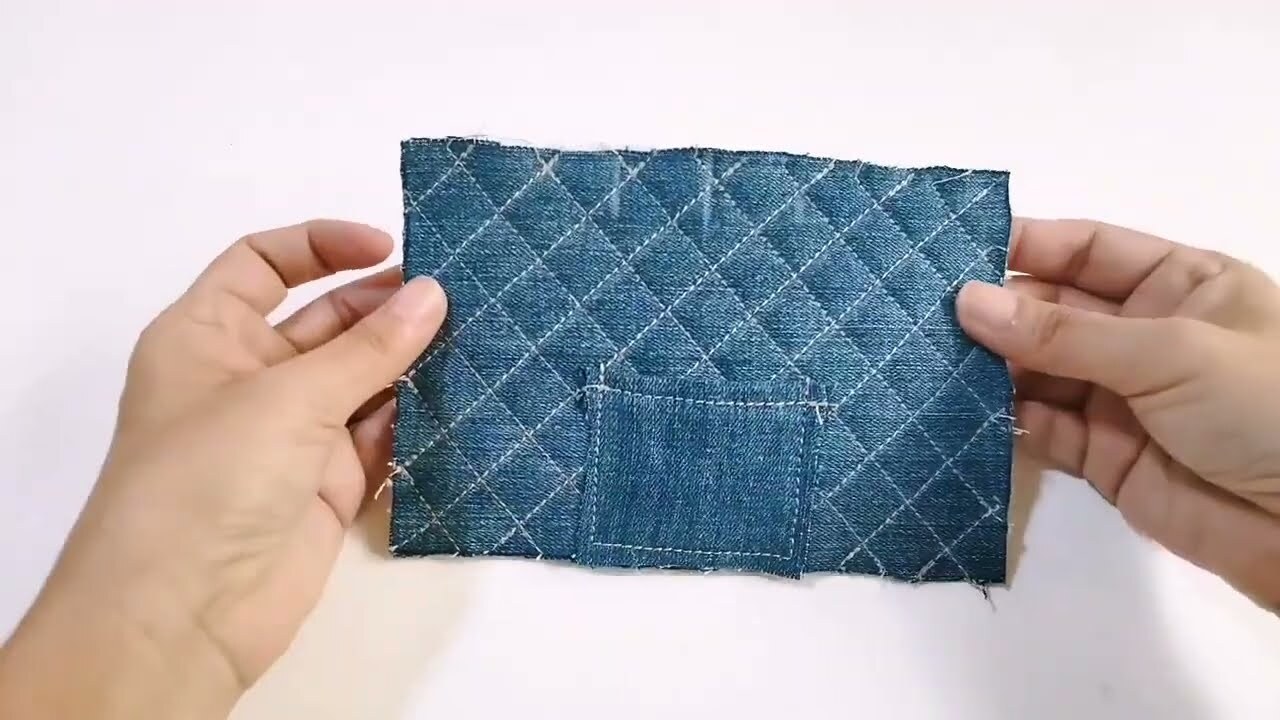
Expanding your upcycling repertoire beyond tote bags opens a world of possibilities. Transforming old jeans into a variety of items is a rewarding process, offering a sustainable approach to fashion and design. By adapting the techniques learned in tote bag creation, you can easily apply them to other upcycling projects.
Beyond Tote Bags: Exploring Diverse Projects
Old jeans, a versatile material, can be repurposed into numerous garments and accessories. This section explores alternative projects, demonstrating how the principles of denim upcycling can be adapted for different applications.
Patchwork Creations
A captivating technique, patchwork allows for the creation of unique and personalized items. By cutting and sewing different sections of old jeans together, you can design a myriad of patterns and textures. Consider using contrasting colors or washes to create a visually striking patchwork quilt or cushion cover. This process is adaptable to various sizes and shapes, allowing for the creation of personalized wall hangings, or even a stylish denim rug.
Adapting the techniques learned in tote bag creation, such as seam allowances and fabric preparation, is crucial for success in patchwork projects.
Denim Jackets and Coats
The durability and strength of denim make it an excellent choice for jackets and coats. By repurposing old jeans, you can create a unique and fashionable jacket, adapting the existing denim to a different form. This involves carefully measuring and cutting pieces of the denim to form the desired shape of the jacket. The sewing techniques for constructing the tote bag, such as securing seams and reinforcing stress points, will be valuable in this process.
Accessories and Small Items
The potential for creating smaller items from old jeans is vast. Consider repurposing the denim into wallets, bags, phone cases, or even unique keychains. Techniques such as patchwork, appliqué, and embellishment can be integrated to add visual appeal. The ability to create customized items, like a patchwork phone case or an embellished wallet, demonstrates the versatility of denim upcycling.
Adapting Techniques for Different Projects
The core techniques of cutting, preparing, and sewing denim remain consistent across various upcycling projects. The difference lies in the pattern and design choices. The knowledge gained in creating tote bags, such as seam allowance calculations and fabric treatment, is transferable to other projects. Careful planning and measurements are crucial to ensuring accuracy and creating the desired shape.
Comparison to Tote Bag Techniques
While the specific design differs significantly between a tote bag and, say, a jacket, the fundamental sewing techniques are largely the same. For example, preparing the fabric, understanding seam allowances, and securing seams are crucial steps in both projects. Understanding the strength and characteristics of denim is essential for successful execution in any upcycling project.
Gallery of Upcycling Projects
(Please note: A visual gallery cannot be provided in this text format. To visualize these projects, consider searching online for “denim upcycling projects,” “recycled jeans jackets,” or “denim patchwork.” Images would show a variety of finished projects, including patchwork quilts, denim jackets, unique wallets, and stylish tote bags. Each image would be accompanied by a brief description, showcasing the creativity and sustainability of denim upcycling.)
Last Word
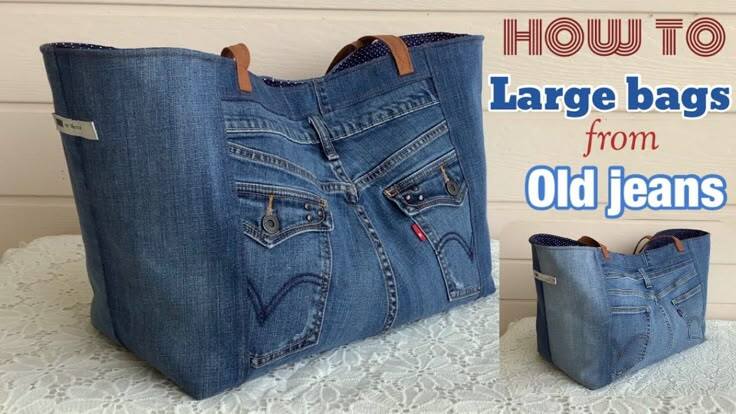
In conclusion, upcycling old jeans into a durable tote bag is a sustainable and creative endeavor. This comprehensive guide equips you with the knowledge and techniques to transform old jeans into a personalized and functional accessory. Embrace the thrill of crafting a unique and eco-conscious piece of art while enjoying the process and the finished product.