Transforming discarded plastic bottles into vibrant vertical gardens is a rewarding and environmentally conscious endeavor. This guide provides a comprehensive overview of the process, from initial upcycling concepts to detailed planting and maintenance strategies. By understanding the principles of upcycling and vertical gardening, you can create beautiful, sustainable, and productive green spaces, even in limited urban areas.
This guide will walk you through the necessary materials, design options, and crucial planting and maintenance steps. From selecting the perfect plastic bottles to arranging them effectively, you’ll gain the knowledge and inspiration to build your own vertical garden masterpiece. We’ll explore different plant choices and ensure your garden thrives.
Introduction to Upcycling Plastic Bottles for Vertical Gardens
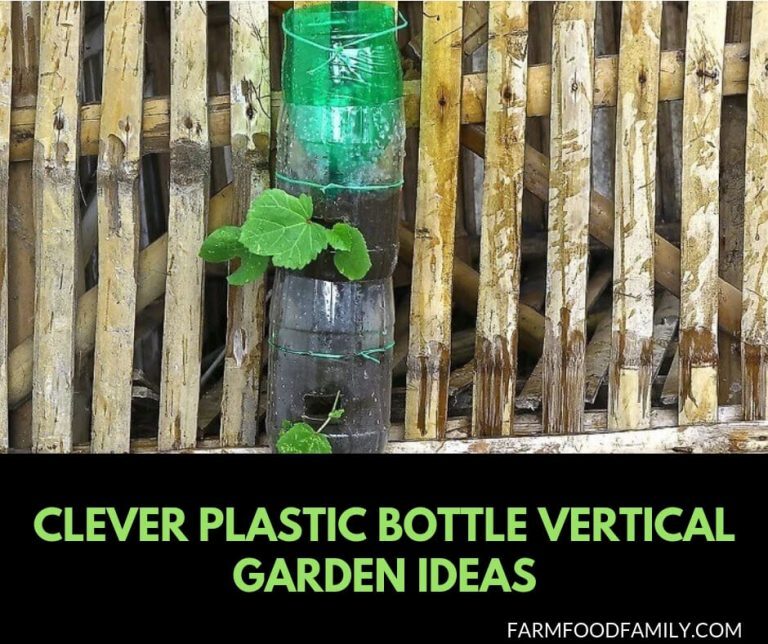
Upcycling is the process of transforming discarded materials into new and useful products. This approach not only reduces waste but also conserves resources, contributing to a more sustainable lifestyle. By repurposing plastic bottles, we lessen the environmental impact of single-use plastics and simultaneously create beautiful and functional vertical gardens.The environmental impact of plastic bottles is significant. Millions of bottles end up in landfills each year, taking hundreds of years to decompose.
These bottles also contribute to pollution of oceans and natural ecosystems. Repurposing them into vertical gardens provides a solution to this problem while creating aesthetically pleasing and functional spaces.
Environmental Impact of Plastic Bottles
Plastic bottles, primarily made from petroleum, have a substantial environmental footprint. Their production requires significant energy and resources. The disposal of these bottles leads to environmental damage, including water and soil contamination. The long decomposition times of plastic create persistent pollution problems.
Advantages of Vertical Gardening
Vertical gardening maximizes space utilization, especially in urban areas with limited ground space. This method enhances aesthetic appeal and can significantly improve the overall visual appeal of a space. It also contributes to increased biodiversity, providing a habitat for beneficial insects and small animals. Furthermore, vertical gardens often reduce noise pollution by providing a natural barrier and contribute to better air quality.
Different Types of Vertical Garden Designs
Vertical gardens can take various forms, each with its own aesthetic and functional characteristics. Some popular designs include:
- Wall-mounted systems: These are commonly seen in urban environments, utilizing wall space effectively. They can be constructed from various materials, including wood, metal, or plastic, and are often designed to accommodate a wide range of plant types.
- Freestanding structures: These systems are independent of walls and can be placed anywhere. They offer flexibility in terms of size, shape, and location. Freestanding structures can be used in gardens, balconies, patios, or other outdoor spaces.
- Staircase or tiered designs: This design utilizes vertical space efficiently, creating a visually appealing cascading effect. The cascading nature of this design provides a dynamic visual appeal and allows for a wide range of plant varieties.
- Hanging systems: Ideal for balconies or patios, hanging systems utilize suspended containers to create a vertical display of plants. They can be simple or elaborate, adding a touch of charm and style to the area.
Plastic Bottle Selection and Uses
Different types of plastic bottles can be used for various parts of a vertical garden. Proper selection and preparation are essential to ensure the longevity and functionality of the garden.
| Bottle Type | Possible Uses |
|---|---|
| Clear Plastic Bottles | Ideal for displaying plants, especially those with colorful flowers. The transparency allows for good light penetration. |
| Colored Plastic Bottles | Can be used for creating a visually appealing display. The color can complement the garden design. |
| Large Capacity Bottles | Suitable for growing larger plants or creating water features. |
| Small Capacity Bottles | Excellent for growing small herbs or succulents. |
Materials and Tools Needed
Transforming plastic bottles into vertical gardens requires careful selection of materials and tools. Proper preparation ensures a strong, aesthetically pleasing, and functional structure. This section details the essential components for successful upcycling.
Suitable Plastic Bottle Types
Plastic bottles of various types can be utilized for vertical gardens, but certain qualities are preferable. Polyethylene terephthalate (PET) bottles, often used for drinks, are generally suitable due to their strength and durability. Other types, like high-density polyethylene (HDPE), might be less suitable due to potential variations in strength and flexibility. Prioritize bottles that are free from damage, cracks, or significant wear and tear to ensure structural integrity.
Tools for Bottle Preparation
Several tools are necessary for effectively preparing the plastic bottles for the vertical garden structure. A sharp utility knife or box cutter is essential for precise cutting and shaping of the bottles. Scissors can be helpful for smaller trimming tasks. A measuring tape or ruler aids in precise dimensions and consistent spacing for the vertical garden design.
Safety glasses are crucial for protecting eyes during cutting and trimming operations.
Gardening Supplies
Essential gardening supplies are crucial for the success of the vertical garden. High-quality potting mix, enriched with nutrients and designed for the specific plants intended for the vertical garden, is vital for optimal plant growth. Potting soil should be well-draining to prevent waterlogging. Consider incorporating organic matter, such as compost or worm castings, to further enhance soil quality.
Small pots or containers, suitable for seedlings or individual plants, are essential if you plan to grow multiple types of plants within the vertical garden. A watering can or a watering system, for consistent and efficient hydration, is necessary for plant health. Additional supplies such as plant markers or labels can help track plant growth.
Material List
| Item | Quantity | Description |
|---|---|---|
| Plastic Bottles (PET) | As needed | Clean, undamaged, various sizes for the structure. |
| Utility Knife/Box Cutter | 1 | For precise cutting and shaping of bottles. |
| Scissors | 1 | For smaller trimming and shaping. |
| Measuring Tape/Ruler | 1 | Ensuring accurate dimensions and spacing. |
| Safety Glasses | 1 pair | For eye protection during cutting. |
| Potting Mix | As needed | Enriched soil for optimal plant growth. |
| Small Pots/Containers | As needed | For individual plants, if desired. |
| Watering Can/Watering System | 1 | For consistent plant hydration. |
| Plant Markers/Labels | As needed | To track plant types and growth. |
| Compost/Worm Castings (Optional) | As needed | Enhancing soil quality and fertility. |
Cleaning and Preparation Methods
Thorough cleaning of the plastic bottles is essential to remove any contaminants and ensure a healthy environment for plant growth. Rinse the bottles with soap and water to eliminate dirt, dust, and residues. Scrub any stubborn debris with a brush or sponge. Allow the bottles to air dry completely before proceeding with any cutting or assembly. If necessary, sterilize the bottles with a diluted bleach solution (following manufacturer instructions) to further eliminate any potential contaminants, especially for plants that are susceptible to fungal infections.
Design and Construction of the Vertical Garden
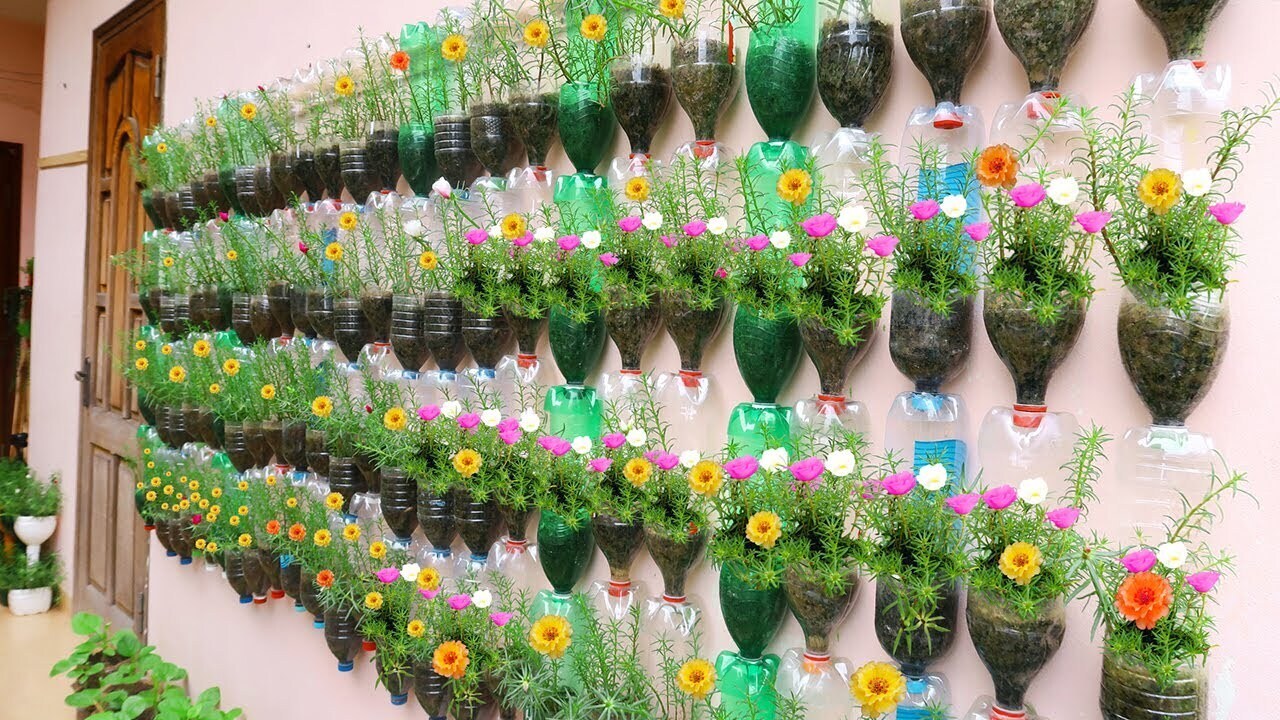
Transforming plastic bottles into a vertical garden offers a creative and sustainable solution for growing plants. This section details various design options, securing methods, and construction steps to create a functional and visually appealing vertical garden.Careful consideration of design and construction is crucial for a successful vertical garden. The chosen design will dictate the plant types that can be accommodated, the structural integrity, and the aesthetic appeal of the finished product.
Properly securing the bottles and strategically arranging them will contribute significantly to the garden’s longevity and efficiency.
Design Options for Vertical Gardens Using Plastic Bottles
Different configurations are possible when creating a vertical garden using plastic bottles. A simple cascading design can be achieved by stacking bottles of varying sizes, creating a visually appealing tiered effect. A more complex design might involve arranging bottles in a grid pattern, suitable for supporting a wider range of plants. Consider the available space, the types of plants you intend to grow, and your desired aesthetic when choosing a design.
Methods for Securing Plastic Bottles
Several methods are available for securely joining the plastic bottles to create the vertical garden structure. Using strong adhesive is a viable option, especially for larger-scale projects. Alternatively, sturdy wire or twine can be employed to fasten the bottles together, providing flexibility and adaptability. Ensuring a robust connection between the bottles is paramount for maintaining the structural integrity of the vertical garden.
Bottle Arrangement Ideas
| Design Type | Materials | Description |
|---|---|---|
| Cascading | Plastic bottles of varying sizes, wire, twine | Bottles are stacked in descending order, creating a tiered effect. This design is ideal for trailing plants or those requiring different levels of support. |
| Grid Pattern | Plastic bottles, strong adhesive, wooden dowels or PVC pipes | Bottles are arranged in a grid-like structure. This allows for efficient use of space and is well-suited for a wide range of plants, including those that need more direct sunlight. |
| Zigzag | Plastic bottles, wire, zip ties | Bottles are connected in a zigzag pattern, adding visual interest and flexibility. |
Creating a Sturdy and Visually Appealing Structure
A sturdy vertical garden structure requires careful consideration of the bottle’s material and the securing methods used. Reinforcing the base with a sturdy frame will prevent tipping. Using wire or twine, especially galvanized wire, will ensure the bottles are securely connected and prevent the structure from collapsing. The use of appropriate supports can enhance the aesthetic appeal, providing a visually pleasing structure.
Consider the visual effect you want to achieve while prioritizing structural integrity.
Detailed Steps for Constructing the Vertical Garden
- Prepare the Bottles: Thoroughly clean and sterilize the plastic bottles. Ensure they are free of any contaminants.
- Prepare the Base: Construct a stable base for the vertical garden. This can be a wooden plank, a metal frame, or any other sturdy material.
- Secure the First Layer: Arrange the first layer of bottles on the base. Secure them together using chosen methods, such as wire, twine, or adhesive.
- Continue Layers: Repeat the process of arranging and securing the bottles for subsequent layers. Maintain structural integrity by ensuring each layer is properly secured.
- Add Drainage: Ensure adequate drainage holes in the bottom of each bottle to prevent waterlogging. This is essential for the health of the plants.
- Plant the Garden: Fill the bottles with potting mix and plant the desired seedlings or cuttings.
- Maintain the Garden: Regularly water the plants, ensuring adequate moisture levels. Monitor the health of the plants and address any issues promptly.
Planting and Maintaining the Vertical Garden
Transforming plastic bottles into a vertical garden offers a sustainable and aesthetically pleasing solution for growing plants. Proper planting and maintenance are crucial for the success of this project, ensuring healthy growth and a vibrant display. Careful consideration of plant selection, soil type, and watering techniques will significantly impact the overall outcome.
Suitable Plants for Vertical Gardens
Vertical gardens provide a unique growing environment, influencing the ideal plant choices. Plants that thrive in containers and have moderate water needs are well-suited for this type of gardening. Consider herbs like basil, mint, and chives, which add flavor to meals and require relatively little space. Leafy greens such as lettuce and spinach also perform well in vertical gardens, offering a fresh and healthy addition to your diet.
Small fruiting plants like strawberries and cherry tomatoes are also excellent options, providing a rewarding harvest. A diverse selection of colorful flowers can add beauty and vibrancy to your vertical garden, further enhancing the aesthetic appeal.
Planting Process Using Plastic Bottles
The planting process involves preparing the plastic bottles and filling them with the appropriate soil mixture. Ensure the bottles are thoroughly cleaned and any labels or residue are removed. Carefully drill drainage holes in the bottom of each bottle to allow excess water to escape, preventing root rot. Next, fill the bottles with a well-draining potting mix, leaving enough space at the top for the plant.
Gently place the plant roots into the soil and fill the remaining space with the potting mix. Compacting the soil gently will ensure stability for the plant.
Soil Selection
Proper soil selection is critical for the health and growth of plants in a vertical garden. A well-draining potting mix is essential to prevent waterlogging, which can lead to root rot. A good potting mix typically contains a blend of peat moss, perlite, and vermiculite. These components provide aeration and drainage, crucial for the development of healthy roots.
Avoid using garden soil directly, as it often retains too much water and can lead to issues. The use of a quality potting mix is vital to avoid issues with poor drainage and ensure a healthy environment for the plants.
Watering and Fertilizing Techniques
Regular watering is crucial for maintaining moisture levels in the vertical garden. Monitor the soil moisture regularly and water when the top inch or two feels dry. Overwatering can be detrimental to plant health, while underwatering can lead to wilting and stunted growth. Using a watering can or a spray bottle for gentle watering is recommended. Fertilizing the plants periodically with a balanced liquid fertilizer will provide the necessary nutrients for optimal growth.
Follow the manufacturer’s instructions for appropriate dilution and application frequency. Regular feeding will encourage vigorous growth and abundant yields.
Pest Control and Disease Prevention
Pest control and disease prevention are essential for maintaining a healthy vertical garden. Inspect the plants regularly for any signs of pests or diseases. Early detection is key to preventing widespread infestation. Use natural pest control methods such as introducing beneficial insects or using insecticidal soaps when necessary. Maintaining good air circulation within the vertical garden can help prevent fungal diseases.
Keep the plants healthy by maintaining appropriate watering schedules and providing ample sunlight. A healthy and thriving vertical garden relies on proactive measures to prevent pest infestations and diseases.
Variations and Alternatives
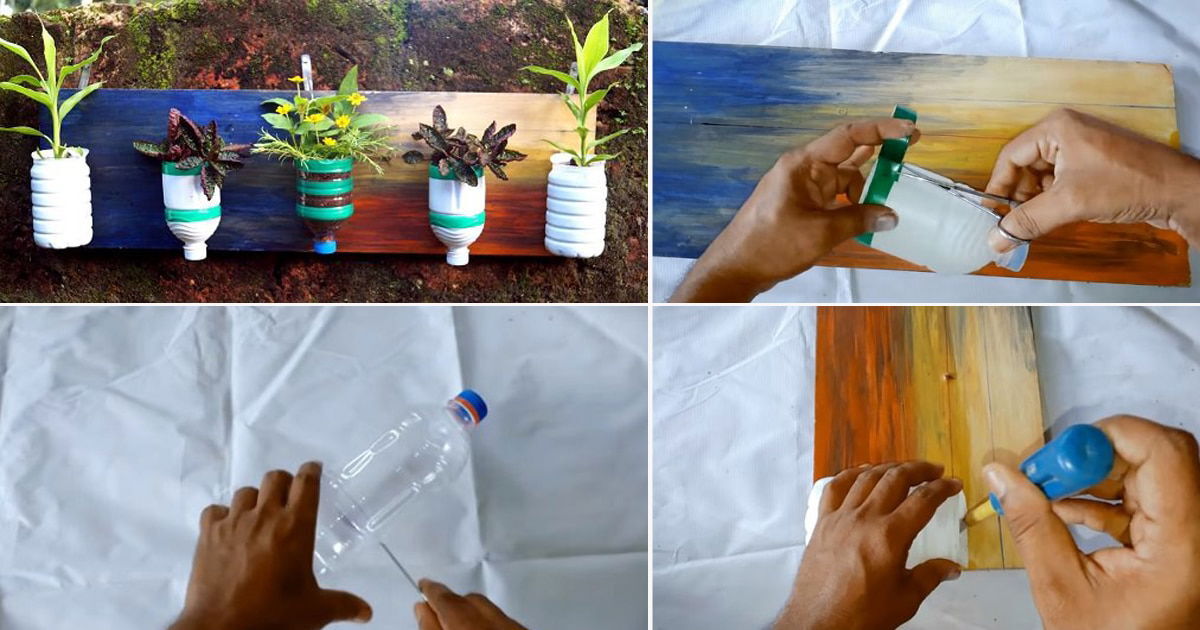
Expanding beyond plastic bottles offers a plethora of options for creating vertical gardens. This section explores diverse materials, construction methods, and plant choices, providing a broader perspective on vertical gardening solutions.Different materials and designs cater to varying needs and aesthetics. Exploring alternatives helps one appreciate the flexibility and adaptability of vertical gardening principles.
Alternative Vertical Gardening Structures
Various structures can effectively support vertical gardening. Beyond plastic bottles, consider using repurposed materials like wooden crates, wire mesh, or even old pallets. These options offer distinct advantages and disadvantages depending on the desired outcome. Fabric planters and hanging baskets also prove suitable for smaller-scale vertical gardens. Each material presents a unique set of advantages and disadvantages.
Repurposed Materials for Vertical Gardens
Repurposing materials is a sustainable approach to vertical gardening. Wooden crates, for instance, can create attractive and sturdy structures for supporting plants. The inherent strength of wood offers a stable base for various plant types, especially those with larger root systems. Furthermore, wire mesh can be used to create intricate and aesthetically pleasing designs, ideal for climbers and trailing plants.
The versatility of wire mesh enables the creation of highly customized structures. Old pallets can also be transformed into substantial vertical garden systems. The durability of pallets ensures long-lasting support for plants.
Alternative Upcycling Techniques for Plastic Bottles
While plastic bottles remain a popular choice, alternative upcycling methods can enhance their utility. Instead of using bottles solely as individual planters, consider stacking or arranging them to form larger structures. This technique optimizes space utilization. For instance, a series of bottles connected with zip ties can create a cascading effect. This creates a visually appealing display.
Furthermore, consider using bottles as a component of a larger structure. The bottles can be incorporated into a larger framework made from wood or metal. This offers more support and stability for larger plants.
Suitable Plant Species for Alternative Structures
Selecting appropriate plant species is crucial for the success of any vertical garden. Climbers, like ivy and morning glories, are ideal for structures made of wire mesh or trellises. These plants benefit from the support provided and can create a visually engaging display. Plants with shallower root systems, such as herbs and succulents, are well-suited for smaller containers or hanging baskets.
Understanding the specific needs of each plant species is essential for successful vertical gardening.
Comparison of Vertical Garden Structures
| Structure Type | Materials | Pros | Cons |
|---|---|---|---|
| Plastic Bottle Vertical Garden | Plastic bottles, zip ties, etc. | Affordable, easily adaptable, reusable | May not be as strong as other structures, potential for leaks |
| Wooden Crate Vertical Garden | Wooden crates, soil, etc. | Sturdy, aesthetically pleasing, durable | Can be more expensive, potentially heavier |
| Wire Mesh Vertical Garden | Wire mesh, soil, etc. | Versatile, supports climbing plants, visually appealing | Requires careful construction, may not be as strong for heavier plants |
| Pallet Vertical Garden | Pallets, soil, etc. | Durable, cost-effective, substantial | Requires modification, may not be as aesthetically pleasing |
Illustrative Examples and Case Studies
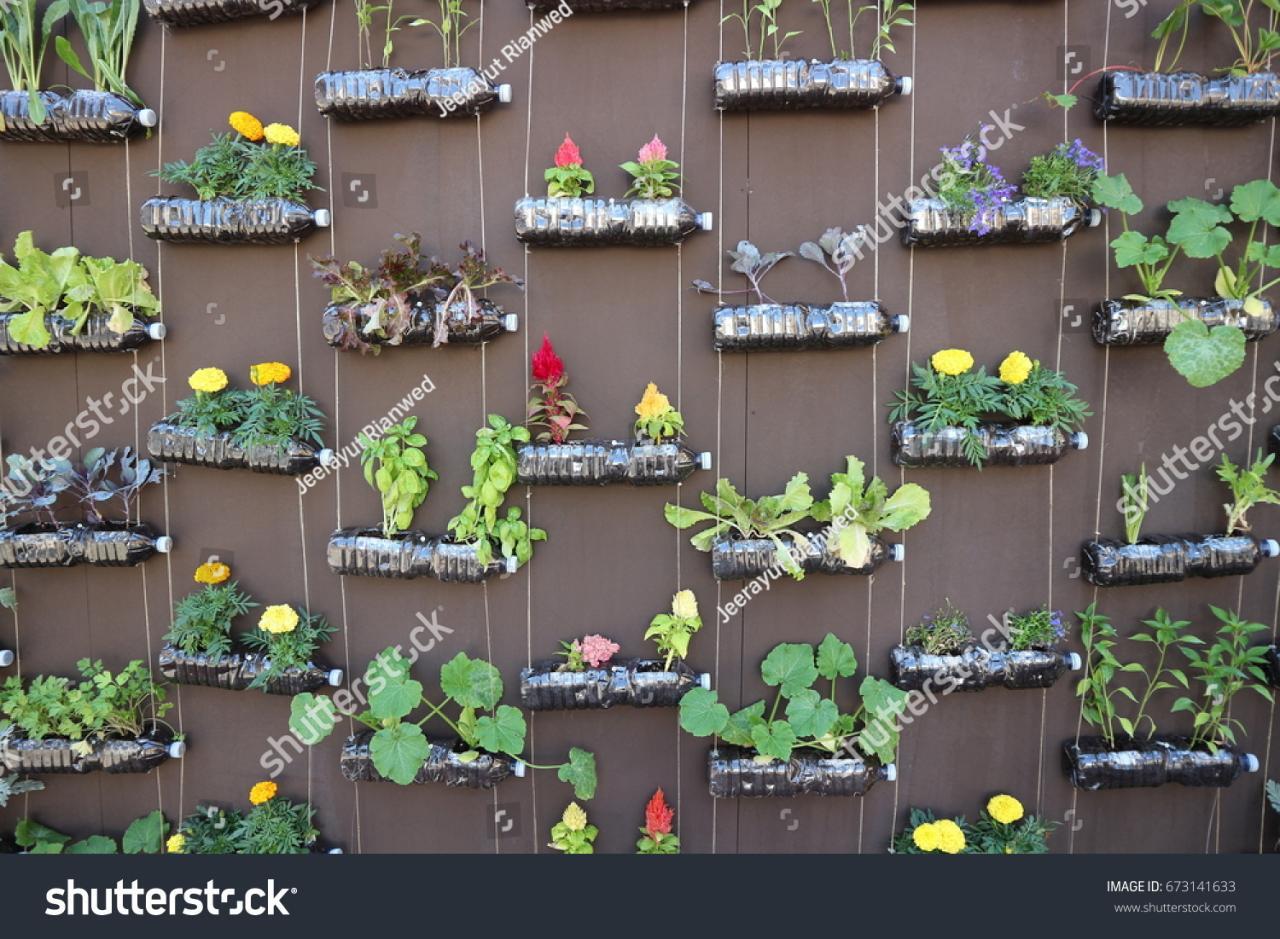
Upcycling plastic bottles into vertical gardens offers a practical and visually appealing solution for growing plants in limited spaces. This section provides concrete examples, showcasing various designs, plant choices, and construction methods, to inspire and guide you in creating your own unique vertical garden.Detailed case studies and visual representations will illustrate the effectiveness of this technique in transforming urban spaces and promoting sustainability.
A Multi-Tiered Vertical Garden
This example demonstrates a multi-layered vertical garden, designed to maximize space utilization and accommodate various plant types. The structure is composed of stacked plastic bottles, progressively decreasing in size as they ascend, creating distinct levels.
- The bottom layer, comprising larger bottles, supports taller plants requiring more space, such as tomato or chili plants.
- Mid-level bottles, of medium size, are suitable for herbs, such as basil or mint, and vegetables like lettuce or spinach.
- The top layer, featuring smaller bottles, accommodates smaller plants like strawberries, creeping flowers, or compact leafy greens.
This tiered design provides a visually appealing and organized garden, optimizing the vertical space effectively. The varied plant heights and needs are addressed through careful selection and placement.
A Compact Vertical Herb Garden
This vertical garden focuses on a compact herb garden.
- The design utilizes a series of 2-liter plastic bottles, carefully cut and modified for optimal drainage.
- The bottles are mounted on a simple wooden frame, providing a sturdy support system.
- Various herbs, such as rosemary, thyme, and oregano, were selected for their relatively compact growth habit.
- The compact nature of this garden makes it ideal for balconies, patios, or small urban spaces.
This example highlights the versatility of the upcycling technique, demonstrating its suitability for specific plant types and limited spaces.
Visual Representation of a Vertical Garden
Imagine a vertical garden constructed using various sizes of clear plastic bottles, arranged in a staggered pattern. The bottles are attached to a wooden frame, creating a visually appealing structure. The garden’s appearance is clean and organized. The clear plastic allows for the plants to receive adequate sunlight, promoting healthy growth. The overall aesthetic is contemporary and suitable for modern urban environments.
Building a Vertical Garden: Step-by-Step Process
This detailed description Artikels the process used to construct a specific vertical garden, emphasizing the steps, materials, and techniques.
- Preparation: Gather the necessary plastic bottles, scissors, a drill, drill bits, string or twine, and soil. Clean the bottles thoroughly and prepare the drill bits to create drainage holes in the bottles.
- Bottle Modification: Carefully cut and modify the plastic bottles, ensuring adequate drainage holes are present at the bottom of each bottle. Cut and modify the bottle bottoms, creating a more stable base.
- Frame Construction: Construct a sturdy wooden frame or use a repurposed structure as a support system for the bottles. Ensure the frame can accommodate the weight of the bottles and the soil.
- Bottle Attachment: Attach the modified plastic bottles to the wooden frame using string or twine. Ensure a stable connection to avoid tipping or displacement.
- Planting: Fill each bottle with a suitable potting mix, and plant the selected species according to their growth needs.
- Watering and Maintenance: Regularly water the plants, ensuring the soil remains consistently moist but not waterlogged. Monitor and maintain the plants as needed.
Impact on Urban Spaces and Sustainability
Vertical gardens significantly contribute to urban environments by creating aesthetically pleasing green spaces in limited areas. They promote sustainability by reducing the need for extensive land use for traditional gardens. The use of recycled materials, such as plastic bottles, reduces waste and promotes environmental consciousness. These gardens also contribute to better air quality and improved biodiversity in urban settings.
Closing Notes
In conclusion, crafting a vertical garden from upcycled plastic bottles offers a unique blend of environmental responsibility and aesthetic appeal. This guide has explored the entire process, from initial concept to final maintenance, equipping you with the knowledge and resources to create your own beautiful and sustainable vertical garden. Whether you’re a seasoned gardener or a novice, this detailed approach provides a framework for a successful and rewarding project.